Views: 0 Author: Site Editor Publish Time: 2026-06-30 Origin: Site


Upgrading or integrating a hot melt coating process requires careful planning. You must balance material compatibility, throughput demands, and precise coat weight control. Manufacturers face constant pressure to maintain quality while scaling production. Selecting mismatched equipment leads to severe operational headaches. It causes adhesive degradation, inconsistent coating profiles, and unacceptable production downtime. These bottlenecks directly impact your final product reliability.
This guide provides a systematic engineering framework to navigate these challenges. We will help you evaluate technical specifications and assess vendor capabilities. You will learn how to properly evaluate equipment options. If you want to efficiently choose hot melt coating machine technology, you must look beyond basic data sheets. Ultimately, you will discover the best strategies to make an informed decision for long-term manufacturing success, ensuring high compliance and consistent output.
Production throughput, substrate tension, and adhesive viscosity dictate your baseline equipment category.
Application method (slot die, roller, or spray) is the most critical variable for coat weight accuracy and product quality.
Partnering with a capable custom supplier mitigates integration risks for complex web handling lines.
Long-term operational success depends heavily on localized parts availability and responsive technical support.
Engineers must define strict operational parameters before evaluating equipment. Vague specifications lead to poor equipment matching. You must document exact material behaviors and production targets. This ensures the machine handles your specific workflow.
Different adhesives require vastly different melting environments. You must document your specific adhesive types. Common options include EVA, PSA, and PUR. Operating temperatures dictate the required heater wattage. Viscosity curves tell you how the adhesive flows under heat. PUR adhesives require special handling. They react to ambient moisture. Therefore, PUR demands completely moisture-sealed melting systems. Exposure to air causes premature cross-linking inside the tank. This ruins the adhesive and damages the pumping system.
Baseline Adhesive Operating Parameters
Adhesive Type | Typical Application | Key Equipment Requirement |
|---|---|---|
EVA (Ethylene Vinyl Acetate) | Packaging, woodworking | Standard open-tank melters, moderate heat zones |
PSA (Pressure Sensitive) | Tapes, labels, decals | High-capacity tanks, precise temperature control |
PUR (Polyurethane Reactive) | Textiles, medical, automotive | Hermetically sealed tanks, dry air/nitrogen blankets |
Your web material dictates the required handling systems. Assess the maximum and minimum web width. Consider the material fragility carefully. Thin polymer films stretch easily under tension. Heavy textiles require robust, high-torque pulling rollers. You must select appropriate tension control mechanisms based on these traits. Substrate thickness variations also affect the coating gap. Operators need precise adjustment tools to prevent web breaks.
Calculate your required line speed in meters per minute. Do not rely on average speeds. You must engineer for peak operating speeds. Daily production volume determines the necessary melter tank capacity. It also dictates the required pump rates. If your pump cannot match the line speed, coating weights drop. This causes inconsistent adhesion across the web. You must size the melting grid to keep up with high-speed draw rates.
Define the target GSM (grams per square meter) early. You must establish acceptable tolerance margins. Medical products require extremely tight GSM tolerances. Packaging tapes tolerate slightly wider margins. Precise coat weights prevent adhesive waste. They also prevent bleed-through on porous substrates. Achieving uniform GSM requires perfectly synchronized pump speeds and web tension.
Matching the machine category to your production scale is critical. Over-engineering wastes capital. Under-engineering restricts growth. Let us examine the three primary equipment categories.
These compact systems serve specialized functions. They are best for R&D, proof-of-concept trials, and short-run testing. Engineers use them to qualify new adhesive formulations.
Key Feature: High flexibility and easy changeovers.
Advantage: They feature a smaller footprint. Operators can clean them rapidly between different adhesive tests.
Limitation: They do not replicate the thermal dynamics of full-scale production.
These machines serve the core converting market. They are best for mid-volume label, tape, or medical converting. They offer reliable daily operation for established product lines.
Key Feature: Standardized slot die or roller applicators.
Advantage: Excellent balance of performance and availability. They handle standard web widths efficiently.
Limitation: They lack the advanced automation required for zero-downtime continuous running.
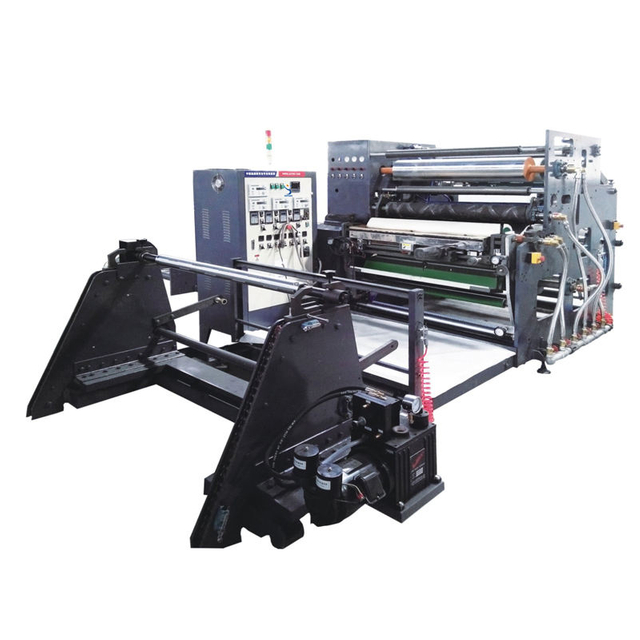
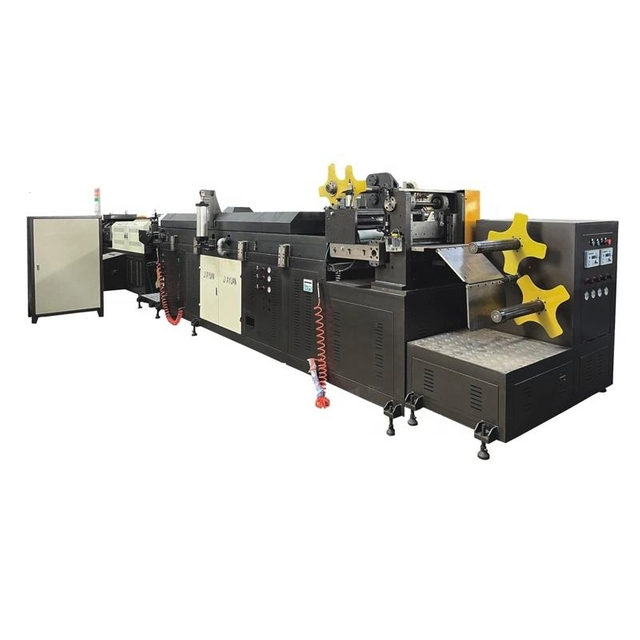
Industrial scale requires heavy-duty architecture. A high speed hot melt coating machine dominates high-volume, continuous manufacturing. They excel in producing packaging tapes and hygiene products.
Key Feature: Advanced auto-splicing and dual unwinds/rewinds.
Advantage: They utilize high-capacity continuous melting systems. Rapid adhesive turnover prevents thermal degradation at massive scales.
Performance Check: These systems change rolls without stopping the line. They maintain perfect tension during the splice cycle.
Evaluating the internal hardware separates adequate machines from exceptional ones. You must inspect four critical technical dimensions. These systems dictate the ultimate quality of your coated product.
The coating head directly impacts the final product. You must select the geometry based on the substrate and adhesive.
Comparison Chart: Application Methods
Application Method | Best Suited For | Coating Characteristics |
|---|---|---|
Slot Die | Tapes, labels, optical films | Precision, continuous, and streak-free coatings. Excellent GSM control. |
Roller Coating | Porous materials, breathable fabrics | Even distribution over rough surfaces. Allows deep penetration. |
Spray/Extrusion | Non-wovens, hygiene products | Specific pattern applications. Low coat weights, breathable layers. |
You must evaluate melt-on-demand versus standard tank melters. Melt-on-demand grids only heat the adhesive you need immediately. This prevents charring caused by extended heating cycles. Standard tanks work well for high-turnover EVA adhesives. Next, examine the pump configuration. Gear pumps deliver highly consistent volumetric flow. They push thick adhesives flawlessly. Piston pumps suit lower viscosity fluids and intermittent spray applications. Ensure the chosen pump matches your viscosity consistency needs.
Substrates stretch, shrink, and drift. You must assess the closed-loop tension systems. Poor tension control is the leading cause of substrate wrinkling. It also causes coating voids and web breaks. Look for machines utilizing precision load cells. These sensors measure web pull constantly. They send data to automated dancer rollers. The system adjusts motor speeds instantly. This keeps the web perfectly flat as it passes the coating head.
Modern production relies on data. Evaluate the Human-Machine Interface (HMI). It must offer intuitive PLC-based controls. Operators need recipe storage capabilities. Saving distinct profiles allows for quick changeovers between shifts. Furthermore, look for ERP and SCADA integration capabilities. Connecting the machine to your factory network enables real-time production tracking. It helps managers monitor adhesive usage and line uptime remotely.
Finding the right hardware is only half the battle. You must evaluate the engineering team behind the machine. The right partner guarantees smooth implementation.
Standard machines work for standard products. However, they often fail unique substrate requirements. Off-the-shelf equipment lacks the flexibility for novel materials. A custom build becomes financially justified when dealing with specialty composites. Unique widths, fragile films, or hybrid adhesive profiles demand custom engineering. A reputable custom hot melt coating machine supplier modifies the roller geometry. They adjust heating zones specifically for your formulation.
Assess the supplier’s track record carefully. Do they specialize in retrofitting coating heads into existing lines? Or do they primarily supply turnkey systems from unwind to rewind? Retrofits require immense precision. The new PLC must communicate with your old motors. Turnkey systems offer smoother integration. The supplier controls every variable from end to end. Ask for case studies matching your exact integration scenario.
Never accept a machine based purely on blueprints. You must conduct a Factory Acceptance Testing (FAT) protocol. This step is absolutely necessary. You must run your exact substrates and adhesives on the supplier's floor. Do this before signing off on shipment. Verify the GSM tolerances in person. Test the auto-splicer at full production speed. Address any web wandering issues immediately while the machine remains at the factory.
Industrial machinery carries inherent risks. Hot melt systems operate at high temperatures. Verify all CE and UL certifications. Inspect the fume extraction engineering. Melting adhesives releases volatile organic compounds (VOCs). The machine must capture and vent these safely. Additionally, test all operator safety interlocks. Light curtains and emergency stops must halt the rollers instantly to protect the workforce.
A successful FAT does not guarantee a smooth factory launch. Equipment requires ongoing maintenance and expert guidance to maintain peak efficiency.
Evaluate the vendor's rollout plan before purchase. Clarify who handles the site-acceptance testing (SAT). The vendor’s engineers should be on your floor. They must connect the utilities and calibrate the load cells. Initial operator training is equally critical. Factory workers must learn how to thread the web correctly. They must practice safe adhesive loading procedures. Poor training leads to immediate machine jams.
No machine runs forever without replacement parts. You must understand the lifespan of critical components. Document the replacement availability of nozzles, filters, and applicator lips. Slot die lips wear down over time due to abrasive substrates. Clogged filters cause pressure drops in the pumping system. Ensure your vendor keeps these specific consumables in stock. Waiting six weeks for a custom filter halts production entirely.
Even the best machines occasionally fault. You must define strict expectations for hot melt coating machine technical support. Establish a formal Service Level Agreement (SLA). Look for remote diagnostic capabilities. IoT-enabled PLCs allow vendor engineers to log in securely. They can troubleshoot software faults from across the globe. You also need guaranteed response times for on-site engineering assistance. Fast support minimizes catastrophic downtime.
Assess the machine for ease of daily maintenance. Operators will ignore difficult cleaning tasks. Check the ease of access for daily cleaning. Filter changes should not require dismantling the entire pump housing. Ask the vendor how the system prevents adhesive charring in the hoses. Features like automatic standby modes drop the temperature during brief pauses. This simple feature prevents burnt adhesive from clogging the precision slot die.
Capital expenditure on coating machinery demands careful justification. You must secure equipment that guarantees precise coat weight control. Maximized uptime and seamless integration directly follow a rigorous evaluation process. Avoid purchasing based solely on initial sticker prices. Focus on the engineering stability of the web handling system. Prioritize precise thermal management and robust pumping architectures. These factors guarantee long-term manufacturing stability.
To move forward effectively, follow these actionable next steps:
Draft a rigorous User Requirement Specification (URS) document.
Detail your exact adhesive chemistry, substrate dimensions, and throughput data clearly.
Determine your exact GSM tolerance limits for quality control.
Use this data to solicit detailed engineering bids.
Shortlist 2-3 custom suppliers capable of running your specific material during a factory FAT.
A: Focus on your adhesive viscosity and required precision. Slot dies excel with high precision, full-coverage coatings on smooth substrates like tapes and labels. Roller coating heads handle highly porous materials better. Rollers are ideal for breathable fabrics where you need even distribution without forcing the adhesive entirely through the substrate.
A: Custom machinery requires extensive design and fabrication. Address a standard 4-8 month engineering and manufacturing timeline. Complex turnkey lines with dual auto-splicers may take longer. Simple retrofit coating heads might be delivered faster. Always factor FAT testing and shipping logistics into your final project timeline.
A: Generally, no, unless heavily customized. You need specific hardware requirements for PUR. Reactive PUR requires completely sealed, moisture-free melting systems and dry nitrogen blankets. Exposure to ambient humidity causes PUR to cross-link and harden inside the tank. Standard PSA machines utilize open tanks which would ruin PUR adhesives immediately.
A: You must implement multi-zone temperature control. This ensures gradual heating. Utilize machine standby modes to automatically lower temperatures during temporary line stoppages. Furthermore, install high-quality, easily accessible filtration systems. Changing filters regularly prevents degraded adhesive particles from reaching and clogging the precision application nozzles.