
Views: 0 Author: Site Editor Publish Time: 2026-02-12 Origin: Site


Have you ever wondered how products are coated without harmful solvents? Hot melt coating is a revolutionary process that transforms solid materials into a seamless layer on various substrates.
In this article, we will explore the hot melt coating process and its significance across industries like pharmaceuticals and packaging. You’ll learn how hot melt adhesive coating machines work and why they are preferred over traditional liquid coatings. Join us as we uncover the benefits of this eco-friendly technology.
The hot melt adhesive coating machine plays a crucial role in the coating process. It melts solid materials, allowing them to be applied uniformly onto various substrates. This process eliminates the need for solvents, making it both efficient and environmentally friendly.
There are several types of hot melt coating machines available, each designed for specific applications:
● Spray Machines: These machines use heated nozzles to spray the melted adhesive onto the substrate, ensuring an even layer. Ideal for intricate designs.
● Roller Coating Machines: These utilize rollers to apply the adhesive, providing a smooth finish. They are perfect for continuous production lines.
● Slot-Die Coating Machines: Known for their precision, these machines deliver a consistent thickness and are often used in high-speed applications.
The choice of materials is essential in hot melt coating. Common materials include various waxes and polymers, which offer different properties and benefits.
● Waxes: Carnauba wax and beeswax are popular choices. They provide excellent adhesion and enhance the product's appearance. Carnauba wax, known for its high melting point, is particularly useful in applications requiring durability.
● Polymers: These materials, such as ethylene-vinyl acetate (EVA) and polyamides, are favored for their strong bonding capabilities. They perform well under various environmental conditions.
A significant advantage of hot melt coatings is their 100% solid content. This means there are no solvents to evaporate, leading to:
● Faster curing times
● Reduced production costs
● Enhanced environmental safety
Here’s a quick comparison of common materials used in hot melt coatings:
Material | Benefits | Applications |
Carnauba Wax | High melting point, glossy finish | Pharmaceuticals, packaging |
Beeswax | Natural, good adhesion | Food products, cosmetics |
EVA | Strong bonding, flexible | Flexible packaging |
Polyamides | High thermal resistance | Automotive, textiles |
With the right hot melt adhesive coating machine and materials, manufacturers can achieve high-quality finishes that meet industry standards. The combination of speed, efficiency, and eco-friendliness makes hot melt coating an attractive option for various applications.
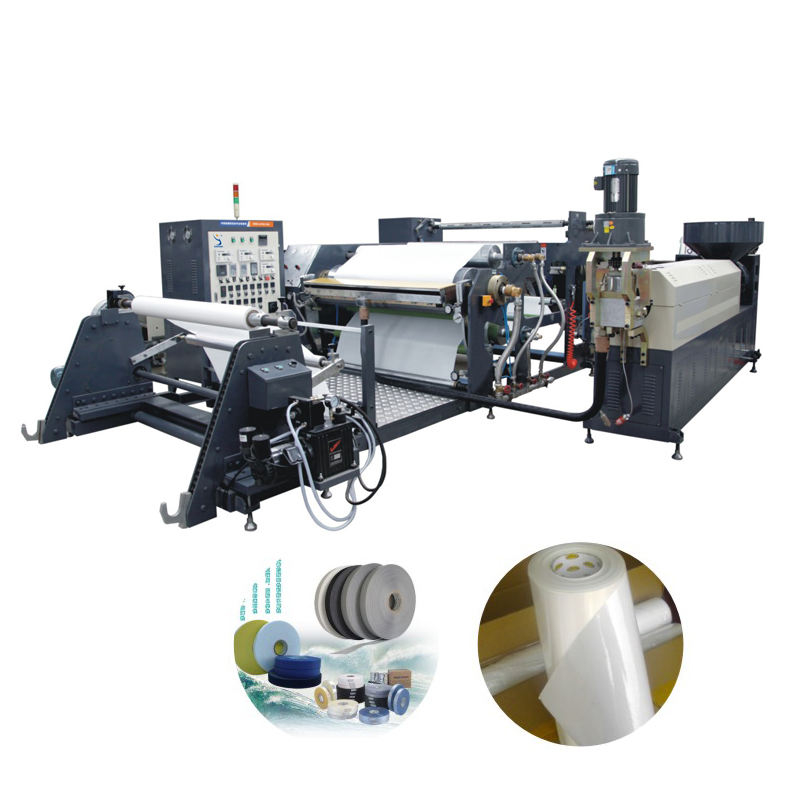
The first step in the hot melt coating process involves melting the coating material. This is typically done using a hot melt adhesive coating machine, which applies heat to solid materials until they reach a liquid state.
● Heating Methods: Common methods include direct heating and infrared heating. These techniques ensure even heat distribution.
● Temperature Control: Precise temperature control is crucial. It prevents overheating, which can degrade the material and affect the final product quality.
Once the material is melted, it’s time for application. Various techniques can be employed to achieve the desired coating:
● Spraying: This method uses a nozzle to spray the melted adhesive onto the substrate, allowing for intricate designs.
● Slot-Die Coating: This technique provides a uniform thickness and is ideal for high-speed applications.
● Fluidized Beds: In some cases, fluidized beds are used to create a controlled environment for the coating, ensuring even application.
After application, the coating must cool and solidify. This step is vital for achieving a durable finish.
● Cooling Methods: Chilled rollers are often used to expedite cooling. They help maintain the desired thickness and prevent defects.
● Uniform Layer Formation: As the coating cools, it solidifies into a uniform layer, enhancing adhesion and appearance.
The hot melt coating process offers several advantages over traditional methods:
● Speed and Efficiency: It significantly reduces processing time compared to liquid coatings, allowing for higher production rates.
● Environmental Benefits: Hot melt coatings are solvent-free, resulting in low VOC emissions. This makes them a more eco-friendly choice.
● Enhanced Stability: The mechanical stability and flowability during processing improve product quality and performance.
Here’s a quick overview of the benefits of hot melt coating:
Advantage | Description |
Speed | Faster application and curing times |
Environmental Impact | Solvent-free, low VOC emissions |
Mechanical Stability | Improved adhesion and durability in final products |
With these advantages, it’s clear why many industries are turning to hot melt coating as a preferred solution.
When it comes to hot melt coating, various machines cater to different needs and applications. Understanding these options can help you make the right choice for your production line.
● Spray Coating Machines: These machines use heated nozzles to spray the melted adhesive onto surfaces. This method is excellent for intricate designs and provides even coverage. It’s commonly used in packaging and automotive applications.
● Roller Coating Machines: Utilizing rollers, these machines apply a consistent layer of adhesive. They are ideal for high-volume production, ensuring a smooth finish on flat surfaces. Industries like textiles and flooring often rely on this method.
● Slot-Die Coating Machines: Known for their precision, slot-die machines deliver a uniform thickness across the substrate. They are perfect for high-speed applications, such as electronics and pharmaceuticals, where consistency is critical.
Selecting the right hot melt adhesive coating machine involves several key factors:
● Production Volume: Consider the scale of your operations. High-volume production may benefit from roller or slot-die machines, while smaller runs could be suited for spray machines.
● Type of Substrate: The material you’re working with plays a significant role. For example, delicate substrates might require a gentler application method, while robust materials can handle more aggressive techniques.
● Industry Needs: Different industries have unique requirements. For instance, the food packaging sector demands stringent hygiene standards, influencing the choice of machine and materials used.
● Scalability: Think about future growth. It’s important to choose a machine that can scale from laboratory setups to full commercial production. This ensures that as your needs grow, your equipment can adapt without requiring a complete overhaul.
Here’s a quick reference table summarizing the types of machines and their typical applications:
Machine Type | Best For | Typical Applications |
Spray Coating | Intricate designs | Packaging, automotive |
Roller Coating | High-volume production | Textiles, flooring |
Slot-Die Coating | Precision and uniformity | Electronics, pharmaceuticals |
By evaluating these factors, you can select the hot melt coating machine that best fits your production needs and helps you achieve high-quality results.
Hot melt coatings play a vital role in the pharmaceutical industry. They are particularly effective in taste masking and controlled-release formulations.
● Taste Masking: Many active ingredients have bitter or sour flavors. Hot melt coatings can effectively mask these tastes, making medications more palatable for patients. This is crucial for pediatric and geriatric populations who may be sensitive to unpleasant flavors.
● Controlled-Release Formulations: By applying a hot melt coating, manufacturers can create formulations that release medication over time. This ensures consistent therapeutic effects and improves patient compliance.
The packaging industry benefits significantly from hot melt coatings, offering both functional and aesthetic advantages.
● Flexible Packaging: Hot melt coatings enhance the durability and flexibility of packaging materials. They provide strong seals that protect products from moisture and contamination.
● Labeling: Coatings can create glossy surfaces on labels, improving visual appeal. Additionally, they impart non-stick properties to tablets, ensuring easy handling and packaging without sticking together.
Hot melt coatings are versatile and find applications across various industries beyond pharmaceuticals and packaging.
● Textiles: In textiles, hot melt coatings provide water resistance and durability. They are also used for bonding layers in nonwoven fabrics, enhancing their performance.
● Woodworking: In woodworking, these coatings are applied to surfaces for protection and aesthetic finishes. They help in creating smooth, durable surfaces that withstand wear and tear.
● Pressure-Sensitive Adhesives (PSAs): Hot melt coatings are essential in manufacturing PSAs, widely used in tapes and labels. Their quick adhesion properties make them ideal for various applications.
Here’s a brief overview of the applications of hot melt coatings:
Industry | Key Benefits | Typical Uses |
Pharmaceuticals | Taste masking, controlled release | Medications, supplements |
Packaging | Flexibility, durability, aesthetic appeal | Food packaging, labels |
Textiles | Water resistance, bonding | Nonwoven fabrics, protective gear |
Woodworking | Protection, smooth finishes | Furniture, cabinetry |
Pressure-Sensitive Adhesives | Quick adhesion, versatility | Tapes, labels |
With these diverse applications, hot melt coatings are indispensable in enhancing product performance and consumer satisfaction across multiple sectors.
While hot melt coating offers numerous advantages, there are some limitations to be aware of. Understanding these challenges can help you mitigate potential issues.
● Thermal Sensitivity of Substrates: Certain substrates may not withstand the high temperatures required for hot melt coatings. This can lead to warping or damage, particularly with heat-sensitive materials like some plastics or delicate fabrics.
● Rheology of Polymers: The flow behavior of polymers, or their rheology, plays a significant role in coating quality. If the viscosity is too high, it can lead to uneven application. Conversely, if it’s too low, it may not adhere properly, affecting the durability of the coating.
To achieve optimal results in hot melt coating, consider these best practices:
● Optimize the Coating Process: Adjusting parameters such as temperature, application speed, and pressure can significantly impact the quality of the coating. Regular testing and adjustments based on specific materials can enhance performance.
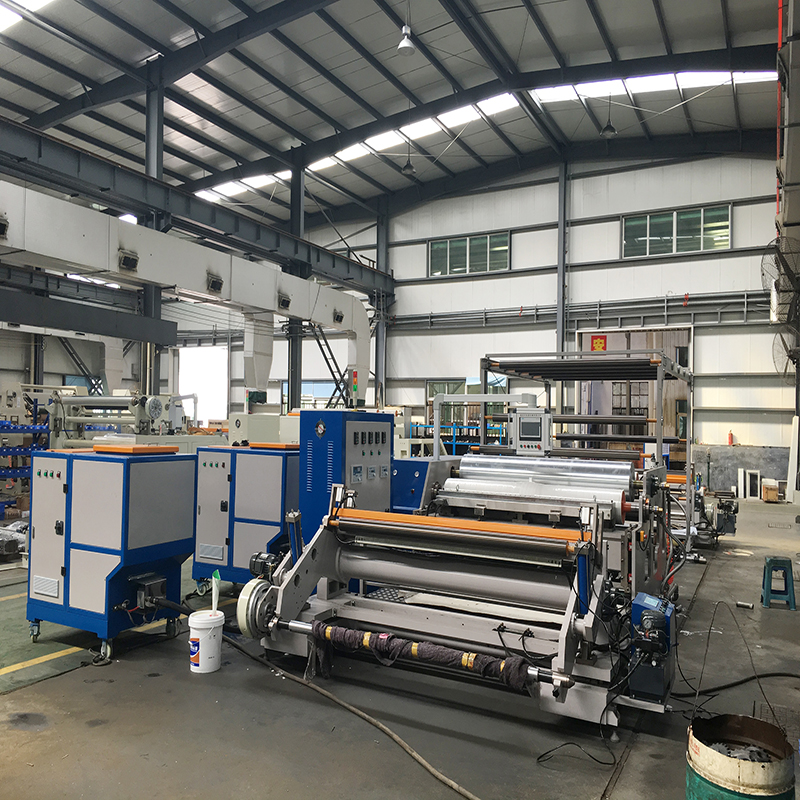
● Equipment Maintenance: Keeping your hot melt adhesive coating machine well-maintained is crucial. Regular inspections and cleanings prevent material buildup and ensure consistent operation, reducing downtime.
● Material Selection: Choosing the right materials is essential. Make sure to select adhesives that are compatible with both the substrate and the intended application. This can prevent issues like delamination, where layers separate over time.
● Preventing Delamination: To ensure consistent product quality, apply coatings evenly and allow adequate curing time. Monitoring environmental conditions, such as humidity and temperature, can also help maintain adhesion.
Here’s a quick overview of key considerations in hot melt coating:
Challenge | Solution |
Thermal sensitivity | Choose substrates that can withstand heat |
Rheology of polymers | Adjust viscosity through material selection |
Equipment maintenance | Regular inspections and cleanings |
Material selection | Use compatible adhesives |
Preventing delamination | Monitor application and curing conditions |
By keeping these challenges and best practices in mind, you can enhance the effectiveness of your hot melt coating processes and ensure high-quality outcomes.
The hot melt coating industry is witnessing significant advancements, driven by technology and materials. These innovations are paving the way for more efficient and effective coating processes.
● Advanced Technology: New hot melt adhesive coating machines are being designed with enhanced automation and precision. This includes features like real-time monitoring systems, which optimize performance and reduce waste during production.
● Material Innovations: The development of new polymers and additives is improving adhesion, flexibility, and durability. These materials can be tailored for specific applications, enhancing overall product performance.
● Sustainable Practices: There’s a growing trend towards integrating sustainable practices in hot melt coating. This includes using energy-efficient machines and processes that minimize environmental impact.
Sustainability is becoming a central focus in the hot melt coating industry. Companies are increasingly prioritizing eco-friendly practices and materials.
● Eco-Friendly Materials: The shift towards using bio-based and recyclable materials is notable. These materials not only reduce environmental impact but also meet the increasing consumer demand for sustainable products.
● Solvent-Free Alternatives: The demand for solvent-free hot melt coatings is on the rise. These alternatives provide a safer working environment and comply with stricter regulations, making them appealing to manufacturers across various industries.
Here’s a quick overview of trends shaping the future of hot melt coating technology:
Trend | Description |
Advanced Technology | Enhanced automation and real-time monitoring |
Material Innovations | New polymers tailored for specific applications |
Sustainable Practices | Energy-efficient processes and eco-friendly materials |
Solvent-Free Alternatives | Safer, compliant options for manufacturers |
As these trends continue to evolve, the hot melt coating industry is set to become more efficient, sustainable, and responsive to market demands.
The article outlines the hot melt coating process, highlighting its key stages and applications. It discusses various types of hot melt coating machines, their innovations, and the importance of sustainability in the industry. Readers are encouraged to explore hot melt coating solutions for their specific needs. For those seeking reliable products, JIAYUAN offers advanced hot melt adhesive coating machines designed to enhance efficiency and sustainability in manufacturing. Their products provide unique advantages that can significantly add value to your operations.
A: Hot melt coating is a process that applies a thermoplastic adhesive to surfaces for bonding, sealing, or protection.
A: A hot melt adhesive coating machine heats the adhesive until it melts, then applies it evenly onto the substrate.
A: Hot melt coating machines provide fast curing times, strong adhesion, and versatility for various applications.
A: Hot melt adhesives offer excellent bonding strength and are ideal for applications requiring quick assembly and durability.
A: The cost of hot melt coating depends on material types, machine specifications, and production volume.
A: Common issues include uneven application or poor adhesion. Regular maintenance and proper temperature settings can help resolve these problems.


