
Views: 0 Author: Site Editor Publish Time: 2026-08-31 Origin: Site


Industrial sealing and roofing demand absolute precision from start to finish. Coating failures lead directly to catastrophic moisture ingress. Structural damage and production downtime follow closely behind these failures. You need a reliable barrier to protect your facilities and manufactured goods. Butyl rubber is famous for its extreme impermeability and long-term flexibility. However, inconsistent application frequently compromises the final protective barrier. Poor substrate bonding and subpar machinery also cause frequent, expensive failures in the field. We must shift focus away from generic product claims and marketing materials. You need a technical evaluation of what actually drives material quality. We will examine chemical formulations and specific application environments. We will also explore the precision of the manufacturing equipment used to apply these materials. Understanding these core factors ensures your waterproofing efforts succeed the first time.
Material Formulation Dictates Baseline Performance: High-quality proprietary solvents and a thicker consistency are required to achieve the necessary 20-mil film thickness in a single coat, whereas inferior coatings often require two or three coats.
Application Machinery is the Great Equalizer: Even premium formulations will fail if applied using a subpar butyl coating machine that cannot maintain consistent temperature, pressure, and extrusion rates.
Substrate Preparation is Non-Negotiable: The majority of bonding failures stem from inadequate surface preparation or unidentified leak areas prior to application, rather than the coating itself.
Understand the Chemical Limitations: Butyl rubber excels in UV reflection and waterproofing but possesses low flame resistance and is unsuitable for environments with heavy oil exposure.
Evaluating the success of a butyl rubber coating requires strict performance metrics and testing. You cannot rely on visual inspections alone to determine long-term viability. We measure success through physical adhesion, mil thickness consistency, and environmental resistance.
Premium butyl adheres to virtually any industrial surface you encounter on a job site. This includes EPDM, metal, poured concrete, and modified bitumen roofs. The mechanics rely heavily on surface energy and chemical compatibility. High surface energy substrates allow the liquid coating to wet out completely. This creates a strong mechanical bond at the microscopic level. High-grade formulations offer a major labor-saving advantage for installation crews. You often need no primer for a successful single-coat application. This reduces installation time and minimizes chemical exposure for workers. The coating penetrates microscopic surface pores deeply. It locks into the substrate upon curing to form a monolithic seal. Proper adhesion prevents water from traveling laterally under the membrane. If a surface puncture occurs, the water damage remains highly localized. We see this constantly on aging commercial roofs. A well-bonded membrane stops leaks dead in their tracks. Poorly bonded membranes allow water to travel dozens of feet from the actual puncture before entering the building interior.
The industry standard for dry film thickness is typically 20-mil. This specific thickness ensures robust waterproofing capabilities against standing water. Quality butyl has a naturally thicker consistency straight from the container. This allows you to achieve the 20-mil target efficiently in one pass. Inferior products require multiple passes to build up adequate thickness. Achieving coating uniformity directly impacts the total lifespan of the membrane. Consistent thickness prevents localized degradation over time caused by weather exposure. It eliminates thin spots that are highly prone to physical puncturing. Uneven application creates weak points where water pools and sits. These weak points eventually lead to complete membrane failure. Uniformity also ensures consistent expansion and contraction rates across the entire surface. When we inspect failed roofs, uneven mil thickness is almost always the culprit. Contractors who rush the application process leave behind a wavy, inconsistent surface that fails within the first five years.
Butyl reflects 80-90% of harmful UV rays from the sun. White formulations perform exceptionally well in this specific regard. This high reflectivity provides significant HVAC energy savings for large buildings. Facilities experience noticeable thermal reduction during peak summer months. The roof surface remains much cooler than ambient air temperatures, reducing the strain on rooftop cooling units. The material also boasts an excellent rebound rating after physical compression. It retains flexibility across extreme temperature fluctuations throughout the year. The membrane withstands freezing temperatures without cracking or splitting. It resists delamination even under severe thermal shock conditions. This flexibility allows the coating to expand and contract naturally. It moves with the building structure without losing its adhesive bond. Rigid coatings snap and fracture when the building shifts. Butyl stretches and recovers, maintaining the waterproof seal.
The origin of coating quality lies in the balance between chemistry and application methods. You must match the right formulation with the correct application technique.
Liquid-applied butyl works best for complex roof geometries and retrofits. It easily navigates around vents, HVAC units, and uneven surfaces. In contrast, butyl rubber extrusion fits OEM manufacturing environments perfectly. It excels in automotive sealing and precise joint filling applications. Viscosity differences dictate the choice of application method entirely. Liquid versions flow easily into tight spaces and self-level on flat surfaces. Extruded versions hold their physical shape immediately upon application. High-viscosity extruded butyl requires heavy-duty processing equipment to melt and pump. Liquid butyl allows for standard spray or heavy-nap roller application. Choosing the wrong formulation for your specific project leads to immediate application failures. We never recommend liquid formulations for vertical joint sealing because the material sags before curing. Conversely, trying to extrude material over a massive flat roof is highly inefficient and cost-prohibitive.
Proprietary solvents with a proven 30-year history ensure field success. They guarantee reliable outgassing and proper curing times. These high-quality solvents also provide an extended 5-year shelf life in sealed containers. Poor solvent choices lead to rapid degradation and separation in the can. Applying the material too thickly traps solvents beneath the top surface layer. This solvent entrapment causes severe bubbling and blistering. The trapped gas expands rapidly when heated by direct sunlight, ruining the aesthetic and structural integrity of the membrane. Incorrect ambient conditions also disrupt the chemical curing process. High humidity slows down solvent evaporation rates significantly. You must monitor environmental factors closely during the entire application process. We use digital hygrometers on every job site to verify the air moisture content before opening a single drum of material.
You must understand the distinct disadvantages of this material before specification. Butyl rubber has inherently low flame resistance compared to other polymers. It requires specific chemical additives to meet stringent commercial fire codes. Manufacturing complications arise frequently during high-viscosity mixing processes. The thick material strains standard mixing equipment and motors. You need specialized high-torque mixers to blend the compounds properly. Furthermore, butyl exhibits strict incompatibility with petroleum-based oils. It degrades rapidly when exposed to industrial solvents or fuels. You cannot use it in environments with heavy oil exposure, such as commercial kitchens with grease exhaust vents or automotive repair bays. Facility managers must assess chemical exposure risks thoroughly before application. If oil exposure is likely, you must select a different polymer base entirely.
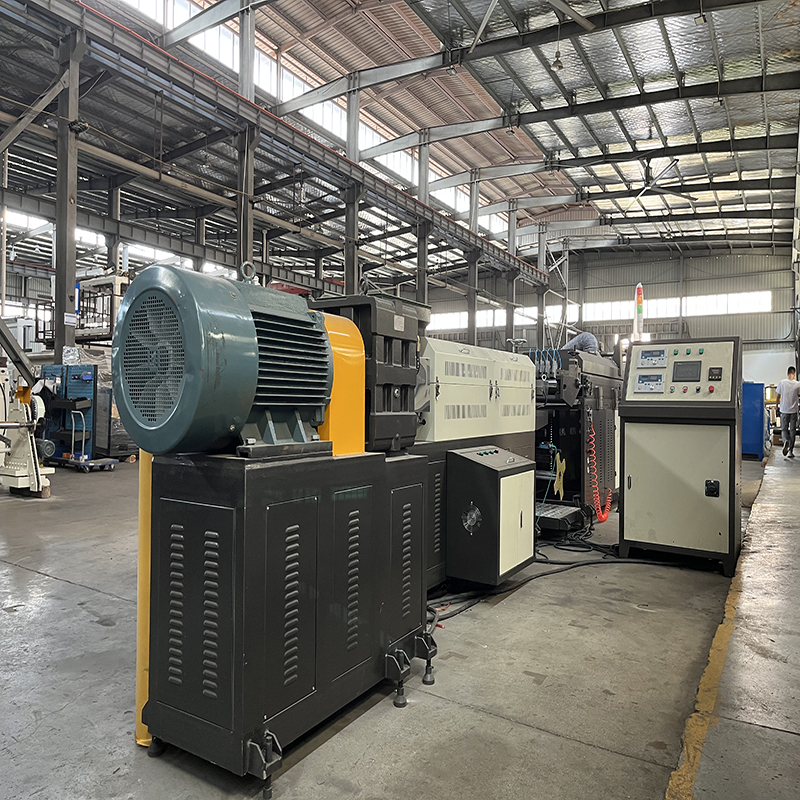
The best chemical formulation fails without precise mechanical application. Your equipment determines the final physical properties of the barrier.
Processing high-viscosity butyl demands specialized mechanical setups and components. You need heated hoses to maintain consistent material flow from the pump to the spray gun. Specialized pump ratios handle the thick consistency without stalling or overheating the motor. Heavy-duty spray rigs are absolutely necessary for large-scale commercial applications. A reliable butyl coating machine ensures exact material placement every time. Malfunctioning spray equipment directly causes improper mil thickness across the substrate. Improperly calibrated machines lead to massive material waste and cost overruns. Pressure drops during application create uneven coverage and weak spots. You must calibrate equipment daily to maintain strict quality standards. Consistent pressure ensures the material atomizes correctly at the spray tip. We check the pressure gauges constantly during application to catch drops before they affect the coating layer.
Industrial manufacturing requires a continuous butyl rubber coating line. This setup is common in tape production and insulated glass sealing. Tension control keeps the substrate moving smoothly through the entire machine without stretching or tearing. Temperature regulation across multiple heating zones prevents material degradation and ensures a smooth flow. Automated thickness monitoring systems provide real-time feedback to operators. These laser sensors detect microscopic variations instantly. Operators can adjust processing parameters without stopping production. Consistent line speed and temperature yield a flawless final product. Chill rolls cool the coated material quickly before it reaches the rewinding station. If the chill rolls fail, the hot butyl sticks to itself on the roll, ruining the entire production batch.
Extrusion and spray machinery face common, predictable failure points. Clogged nozzles disrupt spray patterns and waste expensive material. Pump cavitation occurs when air enters the pressurized fluid lines. You must implement strict, documented maintenance protocols.
Flush lines regularly with approved solvents to prevent material buildup inside the hoses.
Inspect seals and O-rings for physical wear and tear daily before starting the pumps.
Calibrate heating zones to ensure the material reaches the exact application temperature.
Replace worn spray tips immediately before they cause uneven fan patterns.
Keep critical spare parts on hand to minimize unexpected downtime during large runs.
Scheduled maintenance ensures uninterrupted production runs and protects margins. It extends the functional lifespan of your expensive application equipment.
Different industries require different performance metrics from their coatings. You must evaluate the material based on your specific use case.
Using a butyl waterproof coating offers high ROI for roof restoration projects. It costs significantly less than a full mechanical roof tear-off. Success metrics include excellent ponding water resistance on flat roofs. The material must withstand standing water indefinitely without degrading or losing adhesion. Seam sealing efficacy is another critical performance metric. The coating must bridge physical gaps and prevent leaks at structural joints. Long-term UV reflectance reduces cooling loads for the entire facility. Building owners see immediate reductions in monthly energy consumption. The seamless membrane eliminates the most common leak points found in traditional roofing. We apply this over aging metal roofs to stop rust progression and seal thousands of exposed fasteners in a single pass.
Automotive and aerospace industries rely heavily on extruded butyl profiles. It provides exceptional vibration dampening in vehicle cabins and panels. The material acts as an effective acoustic seal against outside noise. It blocks road noise and engine vibrations from entering the passenger area. Engineers use it as a highly effective vapor barrier in aircraft fuselages to prevent condensation buildup at high altitudes. Integrating butyl application into automated assembly lines offers massive scalability. Robotic arms apply the heated material with pinpoint accuracy along complex door frames and windshield channels. This automation reduces human error and speeds up overall production. It ensures every single unit meets exact engineering specifications without relying on manual labor consistency.
Premium butyl carries a noticeably higher upfront material cost. However, you must evaluate this against its extended lifecycle. The material reduces long-term maintenance overhead significantly over decades. A one-coat system provides massive labor savings during installation. Multi-coat alternatives require multiple days of labor and extended drying time between coats. The single-coat application gets facilities back online much faster. You spend less money on scaffolding, equipment rentals, and hourly wages. The total lifecycle value far exceeds the initial material expense. Investing in quality materials upfront prevents expensive rework later. We constantly replace cheap acrylic coatings that failed after three years with premium butyl systems designed to last twenty.
Even the best materials fail if applied under the wrong conditions. Strict quality control prevents premature failures and protects your investment.
Strict cleaning and drying requirements are absolute prerequisites for success. You must remove all dirt, grease, and loose debris completely. Power washing is often necessary for concrete and metal surfaces to remove embedded grime. Leaving existing leak areas unidentified guarantees premature failure of the new coating. You must seal all known leaks physically prior to coating. Trapping moisture beneath the membrane causes severe blistering. The sun heats the trapped moisture, creating intense vapor pressure. This pressure pushes the coating away from the substrate physically, creating massive bubbles. Use professional moisture meters to verify the surface is completely dry. We never apply coating if the substrate moisture content exceeds the manufacturer's strict limits.
You must respect acceptable temperature windows for application strictly. Applying material in extreme cold increases viscosity dramatically. This makes the coating difficult to spray or extrude evenly, leading to pump failure. High humidity impacts solvent evaporation rates negatively. Moisture in the air slows down the chemical curing process and can cause the coating to wash off if it rains. Wind can blow dirt and debris into the wet coating, ruining the smooth finish. Always monitor local weather forecasts before starting large exterior projects. Adjust your application schedule to match optimal environmental conditions. Do not apply the coating if rain is expected within 24 hours. We use anemometers to check wind speed; if it's too windy, the atomized spray blows away before hitting the roof.
Implement specific QA protocols to ensure lasting physical performance. Use wet and dry mil gauges frequently during the application process. This verifies you are hitting the 20-mil target consistently across the entire surface. Conduct adhesion peel tests on cured sections of the membrane. This confirms the mechanical bond to the substrate is secure and meets pull-strength requirements. Adherence to ASTM certification standards verifies manufacturer material claims. Request technical data sheets from your manufacturer before purchase to confirm the physical properties. Keep detailed logs of environmental conditions during application for warranty purposes. If a failure occurs, the manufacturer will demand these logs to prove you applied the material correctly.
QA Test Method | Primary Purpose | Recommended Frequency |
|---|---|---|
Wet Mil Gauge | Verify immediate application thickness | Every 100 sq. ft. during application |
Dry Mil Gauge | Confirm final cured thickness (20-mil target) | Post-cure inspection across zones |
Adhesion Peel Test | Ensure mechanical bonding to substrate | Random sampling on cured sections |
Substrate Moisture Meter | Prevent trapped moisture and blistering | Immediately prior to application |
Audit your current waterproofing or manufacturing setup to identify immediate performance gaps.
Request physical material samples from vendors to verify consistency and viscosity firsthand.
Consult with an equipment engineer to specify the correct extrusion or spray line for your facility.
Review technical data sheets to ensure formulations meet required ASTM certification standards.
Implement mandatory moisture testing protocols before applying any new barrier materials.
A: The industry standard is a 20-mil dry film thickness. A high-quality formulation features a thicker consistency, allowing you to achieve this target in a single coat. Maintaining this specific thickness is critical for long-term waterproofing, as it prevents thin spots that are vulnerable to punctures and localized degradation.
A: Bonding failures rarely stem from the material itself. The primary causes include inadequate surface cleaning, leaving unidentified leak areas unsealed, or trapping moisture beneath the membrane during application. Additionally, malfunctioning spray equipment can cause uneven application, which prevents the material from wetting out and adhering properly.
A: Liquid application is ideal for broad surface coverage, complex roof geometries, and retrofits because it flows easily. Extrusion handles high-viscosity butyl used for precise industrial sealing, OEM manufacturing, and automotive joint filling, requiring specialized machinery to push the thick material into exact shapes.
A: You must apply the liquid or extruded material within specific temperature tolerances to ensure proper solvent evaporation and curing. However, once fully cured, the membrane withstands freezing environments exceptionally well. It retains its flexibility and rebound rating without cracking or delaminating under thermal shock.
A: Routine maintenance is essential to prevent inconsistent mil thickness. You must perform regular line flushing to stop material buildup. Daily temperature calibration ensures the material flows at the correct viscosity. Finally, strict nozzle inspections prevent clogs that disrupt spray patterns and cause uneven surface coverage.
A: While it offers outstanding resistance to water, UV rays, and extreme weather, it has strict chemical limitations. The material degrades rapidly when exposed to petroleum-based oils and certain industrial solvents. You should not use it in manufacturing environments or facilities subject to heavy oil exposure.


