
Views: 0 Author: Site Editor Publish Time: 2026-07-16 Origin: Site


Manufacturing operations in 2026 face tightening margins and an uncompromising demand for high-precision, multi-substrate bonding. Legacy lamination equipment simply cannot keep pace with modern production speeds. Production directors must identify equipment that legitimately improves throughput and quality. This requires evaluating machines equipped with practical IoT integration, actionable AI diagnostics, and advanced tension control. Upgrading should not introduce excessive downtime, maintenance complexity, or unproven smart features that fail to deliver on the factory floor.
This guide serves as an objective framework for evaluating modern lamination technology. We map specific machine innovations directly to verifiable production outcomes. You will understand how to leverage immediate fabrication capabilities and achieve a clear return on investment. By focusing on practical engineering advancements, facilities can integrate a hot melt film laminating machine that solves actual bottleneck issues rather than just adding digital noise.
Data-Driven Precision: 2026 models prioritize AI-driven diagnostics, real-time sensor feedback, and IoT integration to minimize thermoplastic adhesive waste and prevent substrate deformation.
Instant Structural Bonding: Modern hot melt systems allow for immediate fabrication post-lamination, eliminating the costly curing and drying bottlenecks of liquid-based alternatives.
Material Versatility: Modern systems must seamlessly transition between complex substrates, requiring advanced tension and thermal control systems.
Ecosystem Integration: Standalone machines are being replaced by an interconnected hot melt adhesive film production line, requiring strict compatibility checks between extruders, coaters, and laminating modules.
Vendor Accountability: Selecting a reliable hot melt film machine manufacturer hinges on post-installation support, SLA transparency, and the availability of predictive maintenance software.
Pre-2020 laminators relied heavily on mechanical adjustments and operator intuition. These legacy systems struggled with inconsistent tension, uneven heat distribution, and frequent material jams. Today, the baseline standard demands sensor-driven automation. Modern equipment utilizes embedded sensors to continuously monitor critical variables. This shift removes the guesswork from substrate bonding. AI-optimized controls now automatically adjust roller pressure and thermal output to match the specific requirements of the materials being processed.
The most significant operational advantage of modern thermoplastic adhesive technology is the immediate handling capability. Once the laminated materials pass through the cooling zone, they achieve full bond strength within minutes. This eliminates the extensive curing and drying bottlenecks associated with traditional liquid-based adhesives. Facilities can move materials directly into downstream cutting, fabrication, and packaging processes. This continuous flow drastically reduces work-in-progress inventory and frees up valuable floor space.
Evaluating an upgrade requires strict adherence to baseline performance metrics. Buyers must justify capital expenditure using verifiable data. Key success criteria include line speed consistency across varying substrate thicknesses. Defect reduction percentages must be tracked, specifically looking at the elimination of delamination and adhesive bleed-through. Energy efficiency ratings of heating elements and chilling rollers also play a critical role. Finally, rapid changeover times between different production runs are essential for maintaining high overall equipment effectiveness.
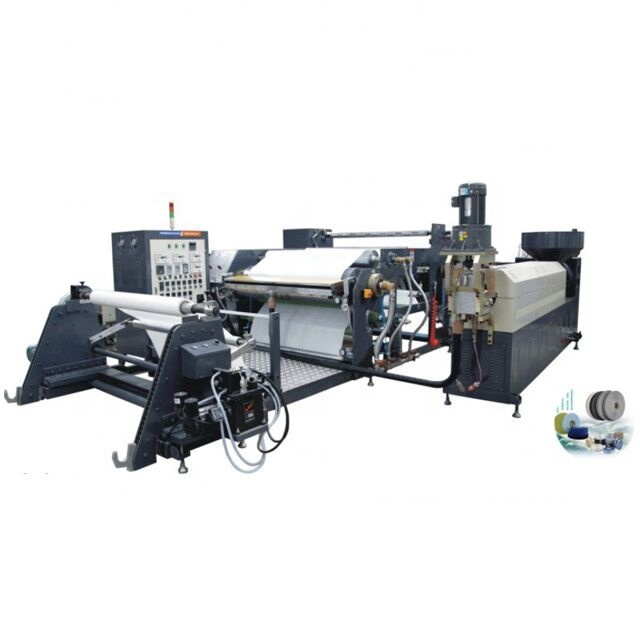
Embedded sensors form the backbone of modern lamination control. These devices provide continuous monitoring of temperature, pressure, and line speed across every zone of the machine. Operators receive instant feedback on the human-machine interface. If a heating zone deviates from the set parameter, the system flags it immediately. This level of granular data collection prevents large-scale batch failures. It ensures that every meter of laminated material meets strict quality control standards.
AI-driven predictive maintenance algorithms take this sensor data a step further. The software analyzes historical performance to forecast component wear. It can auto-correct minor tension offsets before they manifest as visible defects. For example, if a bearing begins to show increased friction, the system alerts the maintenance team weeks before a catastrophic failure occurs. Integrating these systems into existing factory software requires careful planning. Open-architecture platforms are necessary to avoid vendor lock-in and ensure seamless data flow.
Innovations in adhesive melting and dispensing mechanisms guarantee uniform application at high speeds. Modern melters use precise grid heating to melt only the required amount of adhesive. This prevents thermal degradation of the polymer. Closed-loop feedback systems automatically adjust coating weights on the fly. If the line speed increases, the pump speed adjusts proportionally. This prevents adhesive bleed-through on porous fabrics and ensures strong bonds on rigid composites.
Cooling and curing zone improvements directly accelerate the path to immediate fabrication. High-efficiency chilling rollers rapidly dissipate heat from the laminated structure. This locks the adhesive polymer chains into place. The rapid temperature drop prevents the materials from shifting or warping as they are rewound. These advanced thermal management systems are critical for maintaining the structural integrity of delicate substrates.
Material handling has shifted toward fully automated unwinding, alignment, and rewinding systems. Robotic arms and automated guided vehicles load heavy master rolls onto the unwinding stands. Automated edge-guiding systems use optical sensors to track the material edge. They make micro-adjustments to the web alignment in real-time. This eliminates the need for manual steering and drastically reduces edge trim waste.
Automated tension control mitigates human error during continuous operation. Load cells measure the web tension and communicate with the drive motors. The system maintains a constant tension profile from the full master roll down to the core. This precise control prevents stretching or wrinkling of elastic materials. It ensures a perfectly flat laminate structure, which is essential for downstream processing accuracy.
Footwear manufacturing demands highly specialized bonding capabilities. shoe material lamination equipment must bond diverse materials like foams, breathable fabrics, waterproof membranes, and synthetic leathers. The resulting laminate must maintain flexibility and breathability while enduring severe mechanical stress. Precise thermal control is necessary to prevent damage to heat-sensitive synthetic shoe materials. Overheating can melt delicate foams or destroy the microporous structure of waterproof membranes.
Multi-roller pressure systems are vital for footwear applications. These systems ensure deep, durable seal integration across uneven material thicknesses. The nip rollers must apply consistent pressure without crushing the underlying foam structure. Advanced equipment utilizes independent pressure controls for each side of the roller. This compensates for slight variations in substrate thickness and guarantees a uniform bond across the entire web width.
Technical textiles and activewear require a soft hand-feel and exceptional wash-resistance. The lamination process must not compromise the drape or elasticity of the fabric. High-precision tension control mechanisms are mandatory for handling stretchable materials. If the fabric is stretched during lamination, it will shrink back upon cooling, causing severe wrinkling and delamination. Modern machines utilize driven unwinds and ultra-low friction rollers to transport delicate fabrics with zero tension.
Adhesive application methods also dictate the final textile quality. Gravure roll coating applies the adhesive in a discontinuous dot pattern. This maintains the breathability and flexibility of the garment. The equipment must precisely control the temperature of the engraved roller to ensure consistent adhesive transfer. Any variation in heat will result in skipped dots and weak bond areas.
Heavy-duty lamination requires robust machine specifications. Industrial composites and automotive interiors demand high-temperature resistance and absolute structural integrity. The equipment must handle thick, rigid, or multi-layered substrates without stalling or losing pressure. Heavy-duty steel frames and oversized drive motors are standard requirements. The heating zones must deliver massive amounts of thermal energy to penetrate thick materials and activate the adhesive.
Handling rigid composites requires specialized web paths. The machine must avoid sharp turns or small-diameter rollers that could crack the substrate. Flatbed laminating sections are often utilized for these applications. They apply heat and pressure over an extended area while keeping the materials perfectly flat. This ensures a flawless bond without inducing internal stress into the composite structure.
Building a complete hot melt adhesive film production line requires integrating several complex modules. Each component must communicate flawlessly to maintain line speed and product quality.
A high-performance TPU hot melt film extruding machine dictates the baseline quality of the adhesive film long before lamination occurs. The extruder melts the raw thermoplastic polyurethane pellets and forms them into a continuous, uniform film. Precise melt pressure and temperature control are non-negotiable. If the temperature fluctuates, the polymer can degrade, leading to weak spots. Inconsistent pressure results in gauge variations across the film width.
Producing uniform TPU films without gels or un-melted particles requires advanced screw design and superior filtration. The extruder must maintain a homogenous melt stream. Any impurities in the film will transfer directly to the final laminated product, causing visual defects and structural weaknesses. Facilities must prioritize extruders with automated gauge control systems that continuously measure and adjust the film thickness during production.
Seamless synchronization is required between the film coating laminating machine and the laminating rollers. The adhesive film must be presented to the substrates at the exact right temperature and tension. If the film is too cold, it will not wet out properly. If it is stretched too tight, it will snap or cause the final laminate to curl. The drive systems of both units must communicate continuously to maintain a perfect speed match.
Engineering trade-offs exist between slot-die coating and roll-coating mechanisms. Slot-die systems offer exceptional precision for continuous, flat coatings. They enclose the adhesive, preventing contamination and oxidation. Roll-coating systems excel at applying discontinuous patterns, which are essential for breathable textiles. Modern setups often feature modular coating heads, allowing operators to switch between methods based on the specific production run.
Manufacturers must carefully evaluate when to opt for a simplified machine versus a fully automated, multi-layer production line. Simplified equipment offers ease of operation and a smaller maintenance footprint. It is ideal for facilities running consistent, single-product lines where frequent changeovers are unnecessary. However, these machines lack the data integration required for advanced quality control.
Fully automated systems dominate in high-mix, high-volume environments. They require significant physical space and specialized maintenance personnel. The advantage lies in their ability to handle complex, multi-layered composites with zero human intervention. The table below outlines the primary operational differences between the two tiers of equipment.
Feature Category | Simplified Equipment | Automated High-End Systems |
|---|---|---|
Material Handling | Manual loading and alignment | Robotic loading, auto edge-guiding |
Tension Control | Mechanical brakes and clutches | Closed-loop load cells and servo drives |
Data Integration | Basic digital readouts | Full IoT, ERP integration, AI diagnostics |
Changeover Speed | Moderate, requires manual adjustment | Rapid, recipe-driven automated setup |
Footprint | Compact, single-unit design | Large, multi-module line configuration |
Matching machine speed capabilities with actual factory throughput bottlenecks is critical. Over-specifying machine speed wastes capital if downstream processes cannot keep pace. A laminator running at 100 meters per minute provides no advantage if the cutting and slitting stations can only process 50 meters per minute. Facilities must conduct a thorough line-balancing analysis before upgrading.
Scalability should focus on modularity rather than raw speed. Can the machine accept an additional coating head in the future? Can the chilling zone be extended if thicker substrates are introduced? Investing in a modular frame allows the equipment to grow alongside production demands without requiring a complete line replacement.
Modern heating elements and chilling rollers draw significant electrical power. Evaluating the energy efficiency of these components is essential for long-term operational viability. Advanced equipment utilizes highly insulated heating zones to minimize thermal loss. Smart power-down features automatically reduce energy consumption during brief line stoppages or material changeovers.
Sustainability compliance also extends to the reduction of material waste. Precise edge-guiding and automated tension control drastically reduce the amount of scrap generated during startup and continuous operation. By minimizing adhesive waste and eliminating solvent emissions, modern hot melt systems align strictly with global environmental manufacturing standards.
Transitioning operators from mechanical adjustments to digital troubleshooting presents a significant skills gap. Modern human-machine interfaces require a different mindset. Operators must learn to interpret sensor data and respond to software alerts rather than relying solely on physical observation. Without proper training, advanced features remain unused, and machine potential is wasted.
Mitigation requires phased implementation and vendor-led training programs. Operators should shadow installation technicians to understand the machine's architecture. Standard operating procedures must be rewritten to focus on digital controls. Regular refresher courses ensure that the workforce remains proficient as software updates introduce new functionalities.
Conduct baseline skills assessments for all machine operators prior to installation.
Develop customized training modules focusing specifically on HMI navigation and alarm response.
Implement a shadowing program where operators work directly alongside vendor technicians during the commissioning phase.
Establish a certification process to verify operator competency before allowing independent machine operation.
Installing a modern lamination line introduces severe spatial constraints. These machines are often larger than legacy equipment due to extended cooling zones and automated handling modules. Power supply mismatches are common, as modern heating elements require substantial amperage. Furthermore, IoT-enabled machines introduce network security vulnerabilities if not properly isolated from the public internet.
A comprehensive pre-installation site audit is mandatory. Engineering teams must verify floor load capacities, electrical service availability, and compressed air requirements. IT departments must establish secure, dedicated subnets for machine data transmission. Addressing these infrastructure requirements prior to delivery prevents costly installation delays.
Selecting a reliable hot melt film machine manufacturer is as critical as selecting the machine itself. Buyers must evaluate vendors based on verifiable case studies within their specific industry. Local service technician availability is paramount; waiting weeks for an overseas technician is unacceptable in high-volume manufacturing. Spare part lead times must be documented and guaranteed.
Facilities should structure strict Service Level Agreements (SLAs) to guarantee uptime. These agreements must outline specific response times for technical support and clearly define the schedule for software updates. A vendor's willingness to commit to performance guarantees serves as a strong indicator of their engineering confidence and long-term reliability.
Investing in a 2026 hot melt film laminating machine requires prioritizing verifiable data integration and precise material control over superficial smart labels. The operational reality demands equipment that delivers immediate fabrication capabilities and eliminates traditional curing bottlenecks. By focusing on advanced tension control, AI-driven diagnostics, and robust thermal management, facilities can achieve significant improvements in throughput and laminate quality.
The best machine is one that aligns strictly with your specific substrate requirements and factory integration capabilities. Over-specifying features that do not solve actual production bottlenecks wastes capital and complicates maintenance. A rigorous evaluation process ensures that the chosen equipment integrates seamlessly into the existing manufacturing ecosystem.
Request detailed technical spec sheets focusing on tension control tolerances and thermal uniformity.
Demand physical material testing and demo runs using your own specific substrates.
Audit the manufacturer's post-sale support infrastructure, including spare parts availability and local technician response times.
Verify the compatibility of the machine's IoT platform with your existing factory management software.
A: A modern machine typically operates reliably for 10 to 15 years. This lifespan depends heavily on adhering to strict maintenance schedules, total operating hours, and the continued availability of electronic component replacements from the manufacturer.
A: The extruder determines the thickness consistency and thermal properties of the adhesive film. Poor extrusion leads to gauge variations and un-melted gels, which directly cause uneven bonding and delamination downstream in the lamination process.
A: Retrofitting older lines with modern coating heads or basic sensors is sometimes feasible. However, achieving full IoT functionality, AI diagnostics, and advanced automated tension control usually requires a complete line replacement.
A: Primary challenges include managing adhesive buildup on nip rollers and addressing sensor calibration drift. Additionally, the handling of diverse, abrasive synthetic materials accelerates the wear of tension control components and web-guiding sensors.
A: Look beyond the standard one-year mechanical parts warranty. Assess the coverage for proprietary software updates, replacement of HMI panels, and strictly defined, guaranteed response times for remote and on-site technical support.


