Views: 0 Author: Site Editor Publish Time: 2026-08-17 Origin: Site


Engineers and material specifiers face hard challenges when selecting elastomers for environments requiring absolute gas impermeability, moisture resistance, or vibration damping. Material failure in critical seals, roofing membranes, or industrial linings introduces severe financial and operational risks. Compromised structural integrity, product spoilage, and costly rework often result from specifying the wrong polymer for demanding environmental conditions.
Addressing these challenges requires a specialized synthetic elastomer capable of exceeding standard performance metrics. Thoroughly evaluating properties, processing methods, and application formats ensures optimal performance. By understanding the specific capabilities of butyl rubber, project managers can mitigate risks associated with environmental degradation and mechanical stress.
We will break down the core properties, processing techniques, and industry-specific use cases for this material. You will learn how to match specific formulations to your exact project requirements, ensuring long-term durability and regulatory compliance across various demanding applications.
Unmatched Impermeability: Butyl rubber offers superior resistance to gas and moisture transmission compared to standard elastomers, making it the baseline standard for tire inner liners and pharmaceutical stoppers.
Versatile Formats: The material can be formulated into various states—from molded components and extruded tapes to liquid-applied coatings and sealants—to match specific project requirements.
Application-Specific Trade-offs: While highly resistant to weathering, ozone, and many chemicals, butyl rubber exhibits poor resistance to petroleum oils and hydrocarbon solvents, necessitating careful environmental assessment before specification.
Procurement Focus: Successful implementation relies on matching the specific butyl compound formulation (including halogenated variants) and processing method to the exact mechanical and thermal demands of the end-use environment.
The defining characteristic of this synthetic elastomer lies in its unique molecular structure. Manufactured as a copolymer of isobutylene and a small amount of isoprene, the polymer chains pack tightly together. This dense molecular arrangement creates an exceptional barrier against gas and moisture transmission. The closely packed methyl groups on the polymer backbone physically block the passage of gas molecules. You will not find this level of impermeability in standard natural rubber compounds.
When comparing gas permeability rates, the differences become obvious in field testing. Natural rubber allows gases to pass through at a rate nearly ten times higher than this specialized copolymer. Standard synthetic rubbers like styrene-butadiene rubber (SBR) also fall short. They lack the dense molecular packing required for high-pressure air retention. This inherent impermeability drives its specification in applications where maintaining pressure or blocking moisture vapor dictates success or failure.
Elastomer Type | Air Permeability Coefficient (Approximate) | Moisture Vapor Transmission Rate (MVTR) |
|---|---|---|
Butyl / Halobutyl | Very Low (Baseline Standard) | Excellent Barrier |
Natural Rubber (NR) | 10x Higher than Butyl | Poor Barrier |
Styrene-Butadiene (SBR) | 8x Higher than Butyl | Moderate Barrier |
Silicone | 100x Higher than Butyl | Very Poor Barrier |
Outdoor and harsh industrial environments quickly degrade standard polymers. The saturated polymer backbone of this material provides inherent resistance to ozone, ultraviolet (UV) degradation, and prolonged weathering. Because the main polymer chain contains very few double bonds, it resists the oxidation processes that cause other rubbers to crack, harden, or become brittle over time. We see materials last decades in direct sunlight without losing their elastomeric properties.
Chemical compatibility requires careful evaluation before specification. The material performs exceptionally well when exposed to specific harsh environments, but fails rapidly in others. You must audit the installation environment for potential chemical exposure.
Compatible Environments: Highly resistant to dilute acids (like sulfuric and hydrochloric), alkalis (sodium hydroxide), oxygenated solvents (ketones, esters), and synthetic hydraulic fluids.
Incompatible Environments: Strictly avoid exposure to aliphatic and aromatic hydrocarbons. Petroleum oils, gasoline, diesel, and mineral spirits cause rapid swelling, softening, and ultimate structural failure.
Mechanical shock and vibration cause structural fatigue and generate unwanted noise. This elastomer exhibits high hysteresis. It absorbs a significant amount of mechanical energy and converts it into heat rather than transmitting it. This energy-absorbing property makes it highly effective for damping vibration in heavy machinery and infrastructure.
Engineers leverage this high hysteresis in structural and automotive applications to isolate vibrations. Whether utilized in engine mounts, suspension components, or heavy machinery isolation pads, the material effectively decouples vibrating components from the main structure. This reduces wear on adjacent parts and improves acoustic comfort by blocking noise transmission pathways. Bridge bearing pads often incorporate these compounds to absorb the kinetic energy of heavy traffic loads.
The construction sector relies heavily on robust moisture barriers to protect building envelopes. Specifying butyl waterproof material for commercial roofing membranes, expansion joint fillers, and below-grade waterproofing ensures long-term protection against water ingress. The material maintains its flexibility across a wide temperature range. It accommodates the natural thermal expansion and contraction of building structures without tearing or losing adhesion.
Advancements in butyl rubber waterproofing play a major role in repairing metal roofs and sealing complex seams. When dissimilar metals come into contact in the presence of moisture, galvanic corrosion accelerates structural decay. Applying this material between metal panels acts as a dielectric barrier, halting the galvanic process. Its exceptional resistance to water vapor transmission makes it the preferred choice for high-humidity zones and regions experiencing extreme weather fluctuations.
Field crews follow specific steps when executing roof seam repairs with these materials:
Mechanically clean the metal seam with a wire brush to remove heavy oxidation and flaking rust.
Wipe the joint with a fast-flashing solvent like acetone to remove residual oils and dust.
Apply the extruded tape directly over the seam, leaving the release liner intact during initial placement.
Use a steel seam roller to apply heavy pressure, forcing the elastomer into the metal profile and eliminating trapped air pockets.
Remove the release liner and apply a secondary liquid coating if the specification calls for redundant waterproofing.
The automotive industry demands materials capable of retaining air under high pressure and isolating harsh road vibrations. The most prominent use case remains tire manufacturing. The material serves as the primary component for tire inner tubes and the inner liners of modern tubeless tires. Its ability to hold air pressure over extended periods directly impacts vehicle safety, fuel efficiency, and tire longevity. Without this specific polymer, modern tubeless tires would lose pressure rapidly.
Beyond tires, automotive engineers specify this elastomer for suspension mounts, exhaust hangers, and body isolation pucks. The high hysteresis properties absorb road shock and engine vibration, preventing them from entering the passenger cabin. This application directly improves the Noise, Vibration, and Harshness (NVH) ratings of modern vehicles. You will find these molded components in almost every commercial and passenger vehicle on the road today.
Medical and pharmaceutical packaging requires materials that guarantee absolute chemical inertness and sterility. Medical-grade formulations are heavily utilized for vial stoppers, syringe plungers, and IV bag ports. The material prevents oxygen and moisture from degrading sensitive drug compounds, ensuring the efficacy and shelf-life of critical medications. A compromised seal in a pharmaceutical vial leads to immediate product recall and severe safety risks.
Compliance in this sector is rigorous. Formulations must meet strict FDA and United States Pharmacopeia (USP) requirements. Manufacturers focus on achieving low extractables and leachables, ensuring no harmful chemicals migrate from the rubber into the medication. The material must withstand various sterilization methods, including steam autoclaving and gamma irradiation, without losing its physical integrity or barrier properties.
Heating, ventilation, and air conditioning (HVAC) systems require airtight seals to maintain energy efficiency. Contractors use extruded tapes and mastics for duct sealing, ensuring conditioned air does not escape into uninsulated spaces. The material also serves as a primary component in window gaskets, preventing moisture intrusion and air leaks in commercial glazing systems. It handles the high wind loads and thermal cycling typical of high-rise building facades.
In the electrical sector, the material provides high dielectric strength and exceptional moisture exclusion capabilities. Linesmen and electrical contractors use specialized tapes for high-voltage cable splicing and termination. The tape fuses to itself, creating a solid, void-free mass that insulates the connection and permanently blocks water ingress. This prevents short circuits and electrical failures in underground or exposed environments where water pooling is common.
Formulating a high-performance butyl rubber sealant requires precise blending of the base polymer with tackifiers, plasticizers, and reinforcing fillers. The goal is to create a non-hardening, permanently flexible compound that maintains adhesion over decades of environmental exposure. Unlike acrylic or polyurethane sealants that cure into a solid state, these formulations remain tacky and pliable. They self-heal minor punctures and absorb structural movement without cracking.
The manufacturing process often involves solvent dissolution. By dissolving the raw polymer in compatible solvents like hexane or naphtha, manufacturers create high-tack, liquid-applied mastics and adhesives. As the solvent flashes off during application, the material forms a dense, impermeable bond. These adhesives are widely used for metal-to-metal panel assembly, glass installation, and sealing porous cement joints where traditional sealants fail to maintain adhesion under stress.
Applying a liquid butyl rubber coating provides a seamless, monolithic barrier over large or complex surfaces. This format is heavily utilized for commercial roof restoration, industrial tank linings, and heavy-duty anti-corrosion protection on exposed metal infrastructure. The liquid application allows the material to conform to irregular shapes, encapsulating fasteners, seams, and penetrations where leaks typically originate.
The curing process relies on solvent evaporation rather than a chemical reaction. Specifiers must account for Volatile Organic Compound (VOC) regulations in their region when selecting a coating system. Achieving the correct dry-film thickness (DFT) dictates field performance. Applying the coating too thin compromises the moisture barrier, while applying it too thick traps solvents and causes blistering. Multiple thin coats are generally recommended to achieve the target DFT.
Standard application protocols for liquid coatings include:
Power washing the substrate to remove loose debris and chalking.
Applying a compatible primer if working over aged EPDM or TPO membranes.
Detailing all penetrations, drains, and scuppers with a heavy-grade mastic before the main coating application.
Spraying or rolling the first base coat at the manufacturer's specified wet-film thickness.
Allowing full solvent evaporation before applying the final topcoat to reach the required DFT.
Manufacturing solid components like pharmaceutical stoppers, suspension mounts, and custom gaskets requires specific molding techniques. The choice of method depends on production volume, part complexity, and required dimensional tolerances. Each method presents distinct advantages and tooling costs.
Compression Molding: The most cost-effective method for low-volume production or large, simple parts. Raw material is placed directly into a heated mold cavity and compressed. It offers lower tooling costs but longer cycle times.
Transfer Molding: Material is forced from a secondary chamber into the closed mold cavity. This method provides better dimensional accuracy than compression molding and is ideal for parts requiring metal inserts.
Injection Molding: Highly efficient for large-scale production runs. The material is pre-heated and injected under high pressure into the mold. It offers the tightest tolerances and fastest cycle times but requires significant upfront tooling investment.
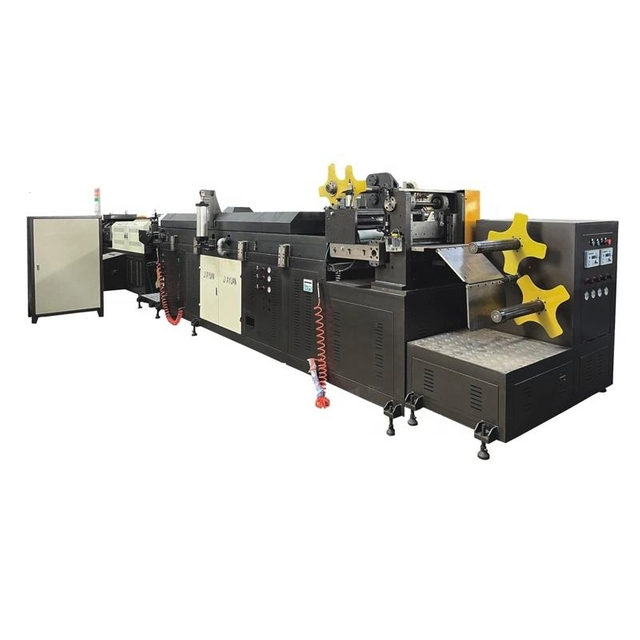
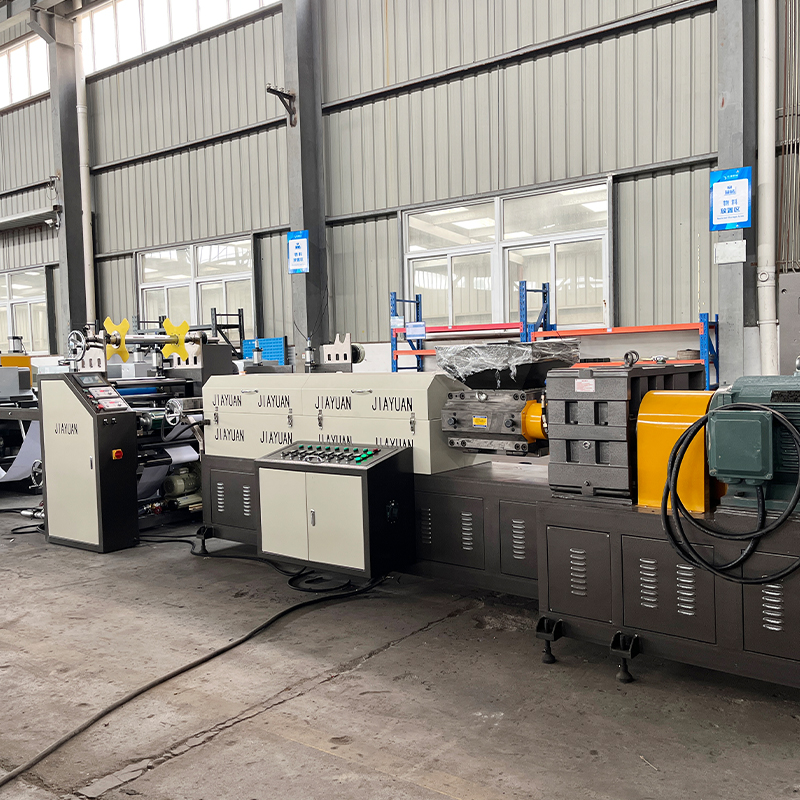
The extrusion process forces the unvulcanized compound through a shaped die to create continuous lengths of material. This method produces the tapes, sheets, and slabs ubiquitous in construction and manufacturing. Extruded tapes are combined with release liners and used extensively for lap joint sealing in metal roofing, windshield glazing in automotive assembly, and vapor barrier seaming.
Extruding sheets provides the raw material for die-cutting custom gaskets or lining large containment vessels. The extrusion process requires precise temperature control to prevent premature curing, known as scorch, while maintaining a smooth, defect-free surface finish. Operators monitor die temperatures constantly to ensure the polymer flows evenly without degrading.
Standard formulations often suffer from slow curing rates and poor co-vulcanization with other elastomers. To solve this, manufacturers introduce halogens like chlorine or bromine into the polymer structure, creating halobutyl rubber. Halogenation significantly increases curing speed and allows the material to bond effectively with natural rubber, neoprene, and other synthetic compounds.
Halobutyls are strictly required in applications demanding high heat resistance and rapid production cycles. Modern tire inner liners rely almost exclusively on halobutyl to withstand the heat generated at highway speeds. Advanced pharmaceutical closures also utilize halobutyl variants to achieve faster molding times and superior resistance to sterilization processes.
Selecting the right material requires comparing specific performance metrics against alternative synthetic rubbers. The following table outlines how this elastomer stacks up against common alternatives across critical engineering parameters. You must weigh these properties against your specific environmental conditions.
Property | Butyl / Halobutyl | EPDM | Silicone | Neoprene |
|---|---|---|---|---|
Gas Permeability | Excellent (Lowest) | Fair | Poor (Highest) | Good |
Temperature Range | -50°F to 250°F | -60°F to 300°F | -100°F to 500°F | -40°F to 250°F |
Weather / UV Resistance | Excellent | Excellent | Outstanding | Good |
Oil / Hydrocarbon Resistance | Poor | Poor | Fair | Good |
Vibration Damping | Excellent | Fair | Fair | Good |
When comparing against EPDM, weathering capabilities are similar. However, EPDM offers a broader temperature range and better flexibility in extreme cold. Engineers specify EPDM for exterior weatherstripping where gas impermeability is not a primary concern. When moisture exclusion is the main goal, butyl remains the superior choice.
Silicone offers extreme temperature tolerance and unmatched UV stability. However, it possesses very poor gas barrier properties and lower mechanical toughness. Silicone is chosen for high-heat engine gaskets, while butyl is selected for heavy-duty moisture barriers and air retention.
Neoprene provides a moderate level of oil and flame resistance that butyl lacks. The trade-off involves sacrificing superior moisture resistance and vibration damping. Neoprene is specified for industrial hoses exposed to mild oils, whereas butyl is reserved for chemical tank linings requiring absolute acid resistance.
The most common cause of seal or coating failure is improper substrate cleaning. Delamination occurs when the material is applied over dirt, grease, oxidation, or existing incompatible sealants. Achieving a permanent bond requires strict adherence to surface preparation protocols. We see failures constantly when field crews skip these basic steps.
Metal Surfaces: Remove all rust and loose scale using mechanical abrasion like wire brushing or grinding. Wipe the surface with a compatible solvent like acetone or MEK to remove machining oils. Allow the solvent to flash off completely before application.
PVC and Plastics: Lightly abrade the surface to create a mechanical profile. Clean with isopropyl alcohol. Avoid aggressive solvents that melt or distort the plastic substrate.
Cement and Masonry: Ensure the concrete is fully cured, typically requiring 28 days. Remove laitance, dust, and curing compounds via wire brushing or power washing. The surface must be completely dry. Trapped moisture will cause the coating to blister and peel.
Unvulcanized formulations like tapes and mastics are susceptible to cold flow, also known as creep. Under continuous mechanical load or elevated temperatures, the material slowly deforms and squeezes out of the joint. This structural deformation compromises the seal and leads to active leaks in roofing and glazing systems.
Mitigating cold flow requires specifying the correct formulation for the application. Cross-linking, or vulcanization, transforms the polymer into a thermoset material, preventing creep under load. For non-curing tapes, manufacturers add specific compounding additives, reinforcing fillers, and internal mesh structures to increase dimensional stability and resist compression set.
Exposure to incompatible chemicals represents a major implementation risk. Petroleum-based solvents, oils, greases, and fuels cause rapid degradation. The polymer matrix absorbs these hydrocarbons, causing the material to swell massively, lose tensile strength, and eventually dissolve into a sticky mess.
Project managers must conduct a thorough environmental audit before specification. Identify all potential chemical exposures, including cleaning agents, lubricants used on adjacent machinery, and airborne industrial vapors. If hydrocarbon exposure is unavoidable, alternative elastomers like nitrile (Buna-N) or fluorocarbon (Viton) must be specified instead.
Successful procurement starts with defining exact operational parameters. Purchasing generic materials without a clear specification leads to premature failure. Buyers should utilize a comprehensive checklist to define their success criteria before contacting suppliers for butyl rubber applications.
Operating Temperature Range: Define the continuous operating temperature and any short-term extreme temperature spikes the material will face.
Required Lifespan: Determine if the application requires a temporary seal or a permanent, decades-long barrier.
Chemical Exposure: List all acids, alkalis, solvents, and environmental contaminants the material will encounter on site.
Mechanical Stress Limits: Quantify the expected vibration frequencies, compression loads, and structural movement.
Regulatory Compliance: Identify necessary certifications, such as FDA approval for medical use or specific building codes for commercial roofing.
Relying on standardized testing data ensures the procured material meets engineering requirements. Request specific ASTM testing data from suppliers. ASTM D146 verifies weathering and UV resistance, while ASTM E96 measures exact water vapor transmission rates. Reviewing these data sheets confirms the material's suitability for the intended environment.
Partnering with custom rubber formulators provides significant value for complex projects. Off-the-shelf products often fail to meet highly specific demands. Custom compounders adjust the formulation to achieve precise durometer ratings, specific tensile strength requirements, and optimized cure rates. This collaborative approach guarantees the final product aligns perfectly with the mechanical and thermal demands of the application.
Thorough evaluation confirms that this specialized elastomer remains the premier choice for applications where gas impermeability, moisture exclusion, and vibration damping are non-negotiable. Its unique molecular structure provides a barrier performance that standard synthetic and natural rubbers simply cannot match. From protecting commercial building envelopes to ensuring the sterility of medical packaging, its utility spans across critical global industries.
The logic for shortlisting this material hinges on matching the correct format—whether a non-hardening sealant, a liquid-applied coating, a precision-molded part, or a fast-curing halobutyl variant—to the specific substrate and environmental conditions. Success requires rigorous surface preparation and absolute certainty that the operating environment remains free from incompatible hydrocarbon solvents and petroleum oils.
Audit your project environment to define exact temperature ranges, chemical exposures, and mechanical stress limits.
Request detailed Technical Data Sheets (TDS) and ASTM testing results from custom rubber compounders to verify performance metrics.
Select the appropriate application format based on substrate compatibility and production volume.
Initiate prototype testing in real-world conditions to validate adhesion, impermeability, and vibration damping before full-scale implementation.
A: When properly formulated and applied to clean substrates, these sealants routinely last 20 to 30 years in exterior environments. Their exceptional durability stems from inherent UV and ozone resistance. Because they are non-hardening and permanently flexible, they do not crack, shrink, or become brittle over decades of thermal expansion and structural movement.
A: Yes, these liquid coatings adhere exceptionally well to both EPDM and metal roofing systems. Successful application requires rigorous surface preparation to remove all dirt, oxidation, and chalking. Depending on the specific coating formulation and the condition of the existing roof, a specialized primer may be required to ensure maximum adhesion.
A: Yes, it is highly suitable for below-grade waterproofing and continuous submersion in water. The material exhibits an extremely low water absorption rate and exceptional hydrostatic resistance. It forms an impenetrable barrier against ground moisture, making it ideal for foundation sealing, retaining walls, and lining water containment structures.
A: Halobutyl rubber is created by adding halogen molecules, specifically chlorine or bromine, to the standard polymer backbone. This modification significantly increases the material's curing speed, improves its heat resistance, and allows it to co-vulcanize effectively with other types of rubber. Halobutyl is essential for high-speed manufacturing.
A: The standard continuous operating temperature limit is typically around 250°F (121°C). Specific compounding techniques, the addition of heat-resistant fillers, and advanced vulcanization processes can push this limit slightly higher. For applications consistently exceeding 300°F, alternative elastomers like silicone or fluorocarbon should be evaluated.
A: It performs exceptionally well under continuous UV and ozone exposure. The saturated nature of its polymer backbone means there are very few double bonds available for oxidation or UV degradation. This inherent chemical stability allows it to drastically outperform natural rubber and many other synthetics in harsh outdoor environments.
A: You should specify it when moisture vapor transmission rates must be kept to an absolute minimum and when joint movement is significant. Unlike acrylics or polyurethanes that cure into a solid block, this material remains permanently tacky and flexible. It offers superior, long-lasting adhesion to difficult, non-porous substrates without shrinking.