
Views: 0 Author: Site Editor Publish Time: 2026-07-30 Origin: Site


The global construction sector is rapidly shifting compliance standards and performance expectations away from traditional bituminous materials toward high-durability, temperature-resistant synthetic polymers. Building material manufacturers face the risk of market obsolescence if they rely solely on legacy asphalt systems. However, transitioning to or adding synthetic production capabilities requires significant capital expenditure, facility retrofitting, and rigorous technical evaluation of complex extrusion machinery. To capture market share in the high-performance waterproofing sector, manufacturers must objectively evaluate the mechanical capabilities, operational trade-offs, and supplier reliability associated with modern non-asphalt manufacturing equipment. Investing in a non-asphalt waterproofing membrane line is the definitive step toward meeting these modern civil engineering demands and future-proofing your manufacturing operations.
Market Alignment: Upgrading to a non-asphalt waterproofing membrane line enables the production of high-margin materials (TPO, PVC, HDPE, EPDM) that meet modern environmental and extreme-weather building codes.
Technological Shift: Success depends on transitioning from traditional mixing and coating methods to precision-driven waterproof membrane coating extruding production lines.
Operational Efficiency: While initial CapEx is higher than legacy asphalt lines, polymer lines offer superior automation, lower energy consumption per linear meter, and reduced hazardous emissions.
Supplier Vetting: Selecting a building waterproof material equipment supplier requires prioritizing post-installation support, parts availability, and operator training over baseline machinery costs.
Defining what constitutes a modern non-asphalt line establishes the baseline production metrics required to remain competitive. Legacy systems rely on melting and coating. Modern systems rely on thermal extrusion. You must transition your facility from handling liquid bitumen to processing solid polymer resins. This requires entirely different machinery, cooling protocols, and tension management systems. Success means achieving continuous, defect-free extrusion at high line speeds while maintaining strict micrometer thickness tolerances. Plant managers must understand that this is not a simple equipment swap; it is a fundamental change in manufacturing philosophy. The focus shifts from managing bulk liquid viscosity to controlling precise thermal profiles and mechanical shear forces within an extruder barrel.
Modern extrusion lines process a variety of synthetic materials, each demanding specific screw designs and temperature controls. Thermoplastic Polyolefin (TPO) dominates commercial roofing due to UV resistance and heat-weldable seams. Processing TPO requires excellent mixing capabilities to disperse UV stabilizers evenly. Polyvinyl Chloride (PVC) offers excellent chemical resistance and flexibility, often requiring specialized anti-corrosion coatings on the extruder screw due to potential off-gassing during processing. High-Density Polyethylene (HDPE) provides unmatched puncture resistance for below-grade and tunneling applications, demanding high-torque drives to handle its melt viscosity. Ethylene Propylene Diene Monomer (EPDM) delivers superior elasticity. A well-engineered line can handle multiple resin types by adjusting screw designs and heating profiles, giving your facility maximum product versatility.
The continuous manufacturing process requires seamless integration of multiple complex subsystems. A failure at any point compromises the entire roll.
Raw Material Compounding: Gravimetric blenders ensure precise ratios of virgin polymer, regrind, UV stabilizers, and colorants. Accuracy here prevents weak spots in the final membrane.
Extrusion: The extruder melts and homogenizes this mixture using mechanical shear and electrical heaters.
Melt Filtration and Pumping: Screen changers remove impurities, while the melt pump stabilizes pressure before the material enters the die.
Sheet Formation: The T-die extrudes a flat sheet into the calendering section.
Calendering and Cooling: Multiple chilled rollers dictate final thickness and surface finish. Closed-loop water cooling sets the polymer structure.
Winding: Automated winding stations spool the finished product with precise tension control.
Commercial applications demand materials that unroll flat without edge curling or dimensional distortion. A non asphalt waterproof coiled material production line achieves this through precise thermal management and tension control. The line must cool the extruded sheet uniformly across its entire width. Uneven cooling induces internal stresses, causing the membrane to warp once deployed on a job site. Advanced lines utilize motorized edge trimmers and accumulator systems to ensure perfectly aligned, tightly wound rolls ready for immediate field application. Edge trim is typically fed directly back into the extruder via a specialized recycling loop, minimizing waste.
Civil engineering projects require absolute resistance to chloride ion penetration, aggressive soil chemicals, and root puncture. Synthetic membranes excel here. They provide a continuous, homogenous barrier. Testing protocols like ASTM and EN standards demand specific tensile strength and elongation metrics. Your extrusion line must produce membranes that consistently pass these rigorous third-party tests. Any variation in thickness or poor lamination of internal reinforcement layers will result in batch failures and rejected material. Consistent performance relies on the machinery's ability to maintain steady-state operations over long production runs without thermal drift.
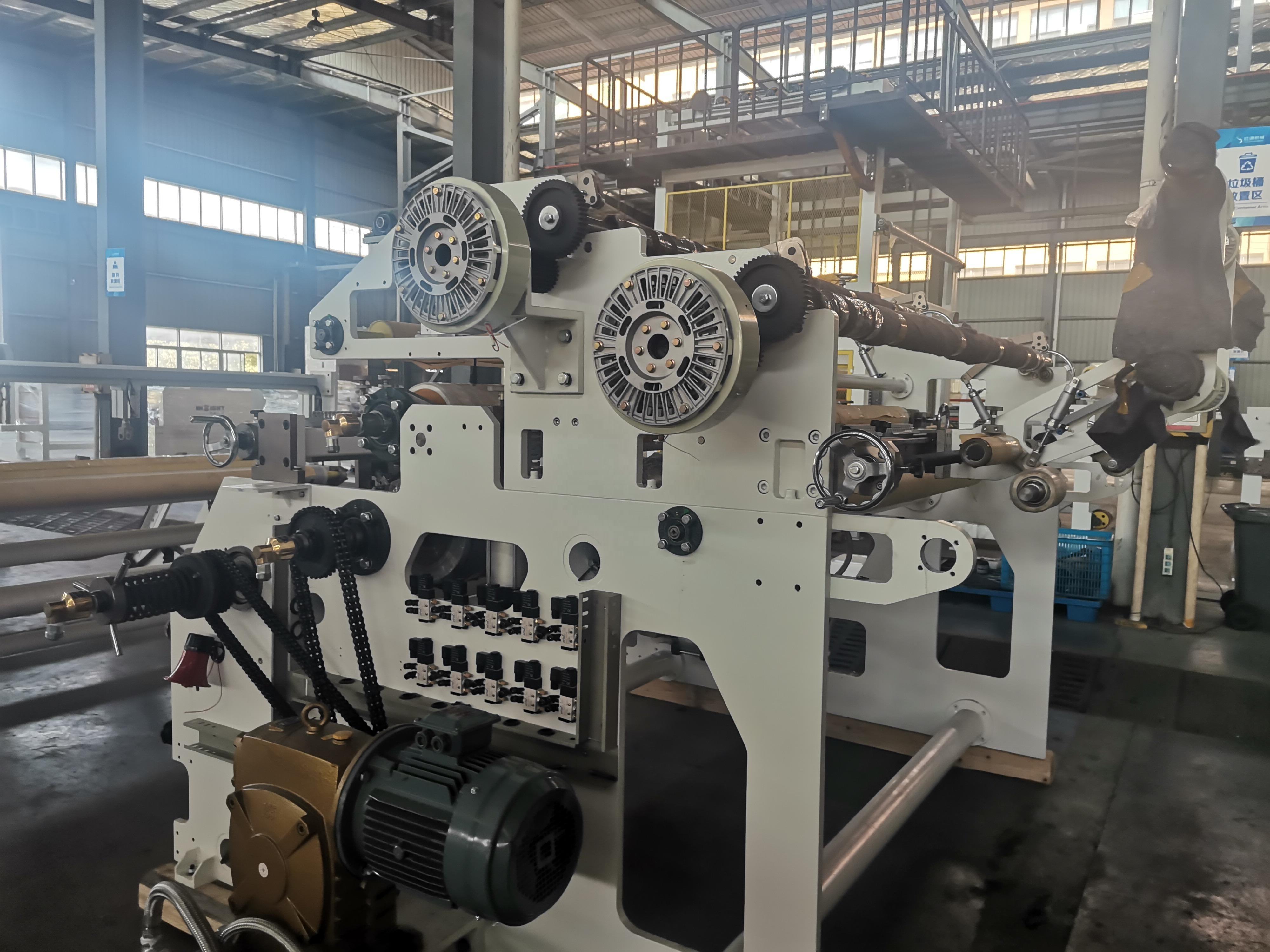
Legacy manufacturing infrastructure centers around massive melting kettles, toxic fume extraction, and messy coating baths. Modern synthetic production relies on clean, enclosed extrusion barrels and precise die heads. The operational footprint changes drastically. You trade heavy emissions and fire risks for high electrical demands and complex chilling requirements. Facility managers must prepare for a shift from managing bulk liquid logistics to handling palletized resins and maintaining sophisticated chilled water systems.
Many manufacturers attempt a half-step by investing in hybrid polymer-modified asphalt (SBS/APP) production lines. Distinguish this from pure non-asphalt polymer extrusion. Hybrid lines still require high-emission bitumen melting, hot-applied compound handling, and intensive VOC scrubbing. They do not eliminate the environmental hazards or the messy production environment associated with traditional asphalt. True modernization requires moving entirely to thermoplastic or elastomeric extrusion. Clinging to hybrid systems often results in stranded assets as environmental regulations continue to tighten globally.
Consider the processing differences. Refining asphalt and mixing synthetic rubbers involves high-heat, emission-heavy melting in open or semi-open vats. Polymer lines utilize precise thermal extrusion. Resin pellets melt inside a closed barrel via mechanical shear and electrical heater bands. This closed system prevents material degradation and eliminates the release of noxious fumes onto the factory floor. The energy transfer in an extruder is highly efficient, focusing heat exactly where it is needed to plasticize the polymer, unlike the massive energy waste associated with keeping thousands of gallons of asphalt molten.
Polymer lines eliminate the inconsistencies inherent in fiberglass or mesh-backed asphalt laminates. Asphalt lines often struggle with uneven coating weights and delamination. Extrusion produces a homogenous, single-component or multi-layer co-extruded film. The molecular bond formed during co-extrusion prevents layer separation, ensuring long-term structural integrity under extreme weather conditions. When producing reinforced membranes, the polymer melt encapsulates the scrim completely, leaving no voids for water migration.
Moving away from hot-applied asphalt production transforms your facility. You drastically reduce volatile organic compounds (VOCs). You lower ventilation and air scrubbing requirements. Factory floor safety improves as operators no longer handle boiling bitumen. The working environment becomes cleaner, quieter, and significantly less hazardous. This shift also simplifies environmental permitting and reduces the frequency of regulatory inspections related to air quality.
Feature | Traditional Asphalt Line | Polymer Extrusion Line |
|---|---|---|
Processing Method | Melting and Coating | Thermal Extrusion |
Emissions | High VOCs, strong odors | Minimal to zero emissions |
Thickness Control | Variable, relies on coating bath | Micrometer precision via T-die |
Primary Utilities | Thermal oil heaters, gas burners | High-capacity electrical, chilled water |
Footprint | Requires large tank farms | Compact resin storage, longer line length |
Evaluating the waterproof membrane coating extruding production line requires looking at specific mechanical components. The L/D (length-to-diameter) ratio of the screw dictates melting efficiency and mixing quality. Ratios of 33:1 or higher are typical for processing TPO and PVC, providing adequate residence time for thorough plasticization. Melt pressure stability is critical; install precision melt pumps between the extruder and the die to eliminate surging. The T-die head itself must feature automated thermal lip adjustments for exact micrometer thickness control across the entire web width. Manual die adjustment is obsolete for high-performance membrane production.
Advanced lines handle multi-layer structures, such as A/B/A configurations, allowing you to use recycled material in the core while utilizing premium UV-stabilized virgin polymer on the outer layers. This significantly reduces raw material costs without compromising surface performance. Integration of internal reinforcement carriers like woven polyester or fiberglass mesh prevents dimensional deformation. The lamination process must occur precisely at the nip roll, using the residual heat of the extruded melt to encapsulate the scrim without trapping air bubbles. Proper nip pressure control is essential to prevent crushing the reinforcement layer.
The multi-roller calendering system achieves surface smoothness and final thickness calibration. These heavy-duty chrome rollers must maintain exact temperature profiles, often utilizing internal oil or water circulation. The critical nature of closed-loop water cooling systems cannot be overstated. Rapid, controlled cooling prevents material shrinkage, warping, or crystallization issues. If the membrane retains heat before winding, it will deform on the roll. The cooling train must be long enough to bring the core temperature of the membrane down to ambient levels before it reaches the accumulator.
Analyzing automated tension control systems in the waterproof roll production line is vital. Load cells and dancer rollers continuously monitor web tension. The PLC adjusts drive speeds to prevent stretching during the final spooling process. Proper tension ensures dimensional stability for the end-user. Over-tensioning causes the membrane to shrink when unrolled; under-tensioning results in loose, telescoping rolls that are difficult to transport and install. Surface winders with automatic cut-and-transfer capabilities are necessary for continuous operation at high line speeds.
Balancing upfront costs with long-term operational gains defines your ROI. The initial investment of a polymer waterproof membrane production line is substantial. However, you must analyze this against the reduction in raw material waste, lower energy consumption per square meter produced, and decreased manual labor requirements. Automated resin handling and inline edge-trim recycling systems drastically reduce material loss compared to asphalt coating operations. The electrical efficiency of modern AC drives and insulated extruder barrels further drives down operational expenses.
Evaluate the modularity of the equipment. Can the line be upgraded later? You may need to add in-line lamination stations for geotextile fleece backing or pressure-sensitive adhesive release liners as market demands evolve. Ensure the main extruder drive and PLC have the capacity to integrate additional co-extruders or downstream coating units without requiring a complete system overhaul. Buying a line with a slightly oversized main drive motor provides the necessary torque headroom for future material formulation changes.
Automated inline thickness gauges (using beta ray or X-ray sensors) and optical defect detection systems reduce scrap rates. They provide real-time feedback to the T-die, automatically adjusting the lip to correct thickness variations. This closed-loop quality control ensures compliance with international building codes and infrastructure testing standards (e.g., ASTM, EN, and local DOT specifications), protecting your brand reputation and minimizing liability. Relying on manual micrometer checks is insufficient for modern quality assurance requirements.
Identify where installations fail to protect your capital investment. Poor facility planning leads to severe delays. Inadequate cooling infrastructure causes immediate production bottlenecks. Mitigate these risks by conducting thorough site audits before finalizing machinery specifications. Ensure your electrical grid can handle the massive startup load of the extruder heaters and main drive motors. Upgrading transformers and switchgear is often a prerequisite for installation.
Address spatial requirements early. Extrusion lines require significant linear floor space, often exceeding 40 to 60 meters, plus space for raw material silos and finished goods storage. Power load upgrades are almost always necessary when transitioning from gas-fired asphalt kettles to high-draw electrical extruders. Plan for the downtime associated with installing and commissioning a high-capacity extrusion line. You must also design adequate drainage and water treatment for the closed-loop chilling systems.
Selecting the right building waterproof material equipment supplier dictates long-term success. Assess their technical track record with the specific polymer types you intend to process. Demand rigorous Factory Acceptance Testing (FAT) at their facility using your exact resin formulations. Follow this with comprehensive Site Acceptance Testing (SAT) at your plant. Ensure guaranteed availability of wear parts (screws, barrels, heating elements) and negotiate strict SLA (Service Level Agreement) terms for emergency maintenance. A supplier without a robust spare parts inventory will cost you weeks of downtime.
Mitigate the skills gap by ensuring the supplier provides robust, on-site training. Operating an extrusion line requires different skills than running an asphalt plant. Operators must understand PLC navigation, thermal profile management, and extrusion troubleshooting. Proper training prevents catastrophic equipment damage, such as cold-starting an extruder with un-melted resin in the barrel. Training should cover routine maintenance, screen changes, and die cleaning procedures to maintain optimal line efficiency.
Transitioning to a non-asphalt production model is a strategic necessity for manufacturers aiming to supply high-performance, climate-resilient building materials. Base your equipment selection on extrusion precision, modular scalability, and the supplier's ability to provide rapid, localized technical support rather than the lowest initial bid.
Conduct a comprehensive facility audit to determine electrical capacity, cooling water availability, and linear floor space readiness.
Define your target polymer materials (TPO, PVC, HDPE) to establish exact extruder screw and barrel specifications with your engineering team.
Request detailed technical proposals, component lists, and FAT documentation from at least three shortlisted equipment manufacturers.
Evaluate local environmental regulations to quantify the operational savings from eliminating asphalt VOC emissions and permitting fees.
A: Asphalt lines rely on melting bitumen and coating a reinforcement matrix (like fiberglass), whereas polymer lines use heat and pressure to extrude synthetic resins (like PVC or TPO) into a continuous, highly uniform sheet.
A: These lines are typically engineered to process thermoplastic and elastomeric materials, including TPO, PVC, HDPE, EPDM, and EVA, often allowing for multi-layer co-extrusion.
A: Thickness is controlled through a combination of precision T-die adjustments, automated melt pump pressure regulation, and inline scanning gauges that provide real-time feedback to the PLC.
A: Prioritize suppliers with proven expertise in polymer extrusion, transparent FAT/SAT processes, robust warranties, and a reliable global or regional supply chain for replacement parts.
A: Yes. High-quality lines are modular, allowing manufacturers to add inline lamination stations for fleece or geotextile backing, self-adhesive coating units, and customized embossing rollers.
A: Polymer membranes produced on modern extrusion lines offer vastly superior resistance to extreme temperature fluctuations, chloride ion penetration, and chemical degradation compared to traditional asphalt-based fabrics.
A: Key requirements include adequate linear floor space (often exceeding 30-50 meters), high-capacity industrial power supply for the extruders and heaters, and a closed-loop chilled water system for the cooling rollers.


