
Views: 0 Author: Site Editor Publish Time: 2026-07-08 Origin: Site


Selecting industrial lamination equipment carries high operational stakes on the factory floor. Your equipment choice directly impacts substrate waste, production bottlenecks, and final product integrity. Matching machine specifications to specific manufacturing requirements is a complex process. You must balance the needs of textiles, packaging, or automotive composites without over-investing in unnecessary features. Conversely, under-speccing critical tension, nip pressure, and thermal controls leads to catastrophic production failures and massive scrap rates.
A structured evaluation framework is essential for assessing technical features before making a capital purchase. You need to compare adhesive technologies and vet supplier capabilities thoroughly. This ensures long-term operational returns and keeps your lines running. Understanding the nuances of web handling, thermal management, and adhesive application will guide you toward the right machinery investment for your specific facility constraints.
Application Dictates Architecture: Material substrates, dimensions (rigid vs. flexible), and production volumes must drive the selection of web widths, tension controls, and heating mechanisms.
Adhesive Technology is Central: A hot melt laminating machine offers distinct environmental and speed advantages over solvent-based alternatives, but requires precise thermal management.
Roller Specifications Determine Quality: Roller diameter and nip pressure distribution directly influence dwell time, heat transfer, and bonding consistency.
Supplier Viability Equals Uptime: Evaluating an industrial laminating machine supplier requires looking beyond the initial capital expenditure to their ongoing coating machine service, customization capabilities, and parts availability.
Automation Reduces Margin of Error: Advanced Human-Machine Interfaces (HMI), recipe storage, and automated tensioning are critical for mitigating operator error and reducing material waste.
Auditing all current and future materials is your first mandatory step on the production floor. You must account for non-wovens, films, foils, foams, and technical textiles. Substrate thickness, elasticity, and thermal sensitivity dictate your machine architecture. These factors determine the necessary roller types, surface coatings, and cooling requirements. If you run a 10-micron film on a machine built for heavy automotive carpets, you will tear the web instantly.
You must analyze the machine's capacity to handle varying film gauges. Processing thin microns or thick mils requires different handling mechanisms. The equipment must manage specific adhesive coat weights without causing delamination. Thermal degradation is a constant risk when processing heat-sensitive films like thin PET or PE. Your chosen equipment must apply exact heat levels without warping the base material. Operators need precise control over the heating zones to prevent melting the substrate before it even hits the nip roller.
Consider the surface energy of your substrates. Low surface energy materials require corona treatment before lamination to ensure the adhesive actually bites into the material. If your machine lacks space for an inline corona treater, you will face adhesion failures down the line. Always map out the physical and chemical properties of every layer in your composite structure.
Physical format requirements dictate the feed and rewind systems. You must evaluate whether your process needs Roll-to-Roll (R2R), Roll-to-Sheet, or Sheet-to-Sheet processing. Substrate width capabilities vary drastically across different machines. Narrow-web applications require different tension zones compared to wide-format industrial substrates exceeding three meters. A machine built for 1.5-meter webs will struggle to maintain uniform tension if you try to run a 0.5-meter web down the center.
Rigid boards and panels demand specific feed mechanisms. They require precise gap-to-gap roller clearances to prevent crushing the core material. Flexible roll goods rely on continuous tension to prevent wrinkling. You must ensure the machine accommodates the physical properties of your specific material formats. Accumulators are often necessary for continuous roll-to-roll operations, allowing operators to splice new rolls without stopping the line.
When dealing with extensible materials like knits or spandex, driven unwind stations are critical. Pulling these materials from a passive unwind stand will stretch them out of shape before they even reach the adhesive station. Once laminated in a stretched state, the final product will curl and warp as the material tries to return to its natural state.
Maximum web width directly correlates with the machine footprint. Wider webs require heavier rollers and more robust frames to prevent deflection. You must balance high-speed production targets against required adhesive curing times. Realistic throughput metrics matter more than theoretical maximum speeds. A machine rated for 200 meters per minute is useless if your adhesive requires a 5-second open time that limits you to 50 meters per minute.
Dynamic line speeds heavily influence adhesive open-time windows. If the machine runs too fast, the adhesive may not achieve proper tack before the nip. If it runs too slow, the adhesive might cure prematurely. You need a system that synchronizes speed with adhesive application rates. This requires sophisticated drive systems that communicate seamlessly with the adhesive melter and pump.
Consider the ramp-up and ramp-down phases of your production run. The machine must maintain consistent coat weights and tension profiles while accelerating to production speed and decelerating for roll changes. Poorly engineered machines will produce hundreds of meters of scrap during these transition periods.
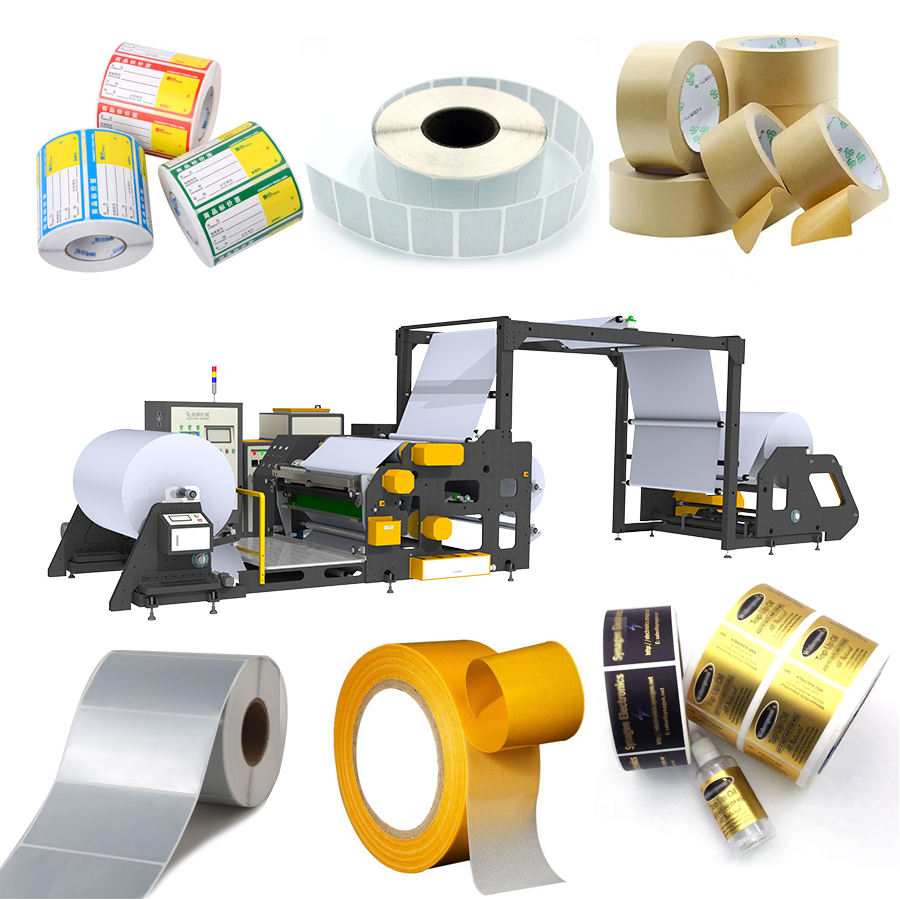
Comparing adhesive systems reveals stark operational differences on the factory floor. PUR (Polyurethane Reactive) and EVA (Ethylene Vinyl Acetate) hot melt systems outperform traditional water-based or solvent-based lamination. A Hot Melt Laminating Machine eliminates the need for massive drying ovens. This results in a significantly smaller factory footprint. It reduces energy consumption and ensures strict compliance with VOC emission standards.
PUR adhesives offer a unique cross-linking chemical reaction. This reaction occurs after the initial cooling phase, drawing moisture from the air or substrate. The result is a bond with superior heat, moisture, and chemical resistance. EVA provides excellent flexibility and rapid set times for less demanding applications. Choosing between them depends entirely on the end-use environment of your laminated product.
Operating a hot melt system requires strict moisture control in the facility, especially when running PUR. If ambient humidity enters the melting tank, the adhesive will cross-link prematurely, turning into a solid block of polyurethane that requires hours of manual chipping to remove. Nitrogen blanketing systems are often integrated into the melting tanks to displace moisture and protect the adhesive.
Adhesive Technology | Curing Mechanism | Environmental Impact | Primary Application |
|---|---|---|---|
PUR Hot Melt | Moisture Cross-linking | Low VOC, No Ovens | Automotive, Technical Textiles |
EVA Hot Melt | Thermal Cooling | Low VOC, No Ovens | Packaging, General Assembly |
Solvent-Based | Evaporation via Heat | High VOC, Requires Ovens | Legacy High-Gloss Films |
Water-Based | Evaporation | Low VOC, Requires Ovens | Paper, Cardboard |
Certain production scenarios require integrated coating and laminating capabilities. Slot die, roll coating, multi-roll transfer, and spray applications serve different material needs. A combined coating laminating machine streamlines multi-layer composite manufacturing. It allows you to apply the adhesive and bond the substrates in a single, continuous pass.
This integration reduces material handling and minimizes contamination risks. It ensures the adhesive remains at the optimal temperature right up to the bonding nip. Integrated systems offer superior control over coat weights, directly improving the final product's flexibility and breathability. Slot die systems, for example, can apply continuous films or intermittent patterns depending on the shim configuration.
When running breathable textiles, spray application heads are often preferred over slot dies. Spray systems apply a randomized web of adhesive fibers, maintaining the fabric's vapor permeability while providing a strong mechanical bond. The choice of application head dictates the entire fluid delivery system, from the pump type to the hose diameter.
Adjustable coating weights are critical for product consistency. You need uniform adhesive distribution across the entire web width. Inconsistent application leads to weak bonds or adhesive bleed-through. You must evaluate melting tank capacities and premelters to ensure a continuous adhesive supply. If your line speed outpaces your melting capacity, the machine will starve, leading to dry spots on the web.
Pump precision dictates application accuracy. Gear pumps offer consistent volumetric flow, while piston pumps handle higher viscosities. Heated hose consistency is vital to prevent adhesive degradation. Cold spots in the delivery system cause charring, which blocks nozzles and ruins substrates. Operators must regularly calibrate the pump speeds to match the line speed, ensuring a consistent grams-per-square-meter (GSM) application rate.
Filtration systems within the adhesive delivery path are non-negotiable. Even minor contaminants or charred adhesive particles will streak the coating or clog the slot die lip. Dual-filter systems allow operators to switch filters on the fly without halting production, maintaining continuous uptime.
Roller diameter fundamentally dictates bonding quality. Larger diameters provide a greater contact area, known as dwell time. This allows for more uniform pressure distribution at high speeds. Small rollers can cause pressure spikes, damaging delicate substrates. The steel core of the roller must be engineered to resist deflection under high nip loads.
Nip pressure actuation mechanisms require careful evaluation. Pneumatic cylinders offer rapid response, while hydraulic systems provide massive, sustained force. Precision gap control systems are mandatory for processing pressure-sensitive or compressible substrates like foams. Roller surface treatments, such as silicone, chrome-plating, or non-stick coatings, impact cleanability and release properties.
The durometer (hardness) of the rubber-coated nip roller must match the substrate. A hard rubber roller will crush foam substrates, while a soft rubber roller might not provide enough pressure to bond rigid films. Quick-change roller systems allow maintenance teams to swap nip rollers in minutes rather than hours, adapting the machine to different product runs efficiently.
Web handling is your primary defense against material defects. Poor handling causes wrinkling, stretching, curling, or substrate tearing. Closed-loop tension control systems are non-negotiable for flexible webs. These systems utilize load cells, dancer rolls, and electronic powder brakes or clutches to maintain exact tension. The feedback loop must operate in milliseconds to correct tension spikes before they cause web breaks.
Edge guiding mechanisms (EPC/LPC) keep materials perfectly aligned. Scroll rollers spread the web outward, keeping thin films flat before they enter the nip. Without these systems, high-speed lamination results in massive scrap rates. Bowed rollers (banana rolls) are highly effective at pushing wrinkles out to the edges of the web just before the lamination point.
Rewind tension profiles are just as critical as unwind tension. If you rewind a roll with too much tension, the inner layers will telescope or crush. Taper tension control gradually decreases the winding tension as the roll diameter increases, producing a perfectly stable, straight-edged finished roll.
Precise temperature uniformity across the entire roller width is critical. Variances greater than ±1°C cause uneven adhesive curing. You must evaluate the heating medium. Oil-heated rollers provide excellent high-temperature stability. Water-heated systems offer rapid temperature changes. Electrically heated rollers provide precise zone control but have different maintenance profiles.
Integrated cooling rollers, or chill rolls, are equally important. They quickly set hot melt adhesives on heat-sensitive substrates. Rapid cooling prevents thermal damage to thin films and locks the adhesive bond before the material is rewound. The cooling capacity must match the heat load introduced by the adhesive and the heating rollers.
Rotary unions on the ends of fluid-heated or cooled rollers are common failure points. Specify high-quality, dual-flow rotary unions that can handle the required flow rates and pressures without leaking thermal fluid onto the production floor.
Programmable logic controllers (PLCs) drive modern lamination efficiency. Touch-screen HMIs allow for comprehensive recipe storage. This enables rapid changeovers between different materials, drastically reducing setup times. Operators can recall exact tension, temperature, and speed settings instantly, eliminating the guesswork from shift changes.
Dynamic synchronization is a critical automation feature. The machine must automatically adjust heating zones and adhesive pump rates relative to changes in line speed. Data logging requirements support quality assurance and regulatory compliance. Predictive maintenance alerts prevent unexpected downtime by monitoring component wear, such as bearing vibrations or motor current spikes.
Remote access capabilities allow engineers to troubleshoot software issues without traveling to the site. This feature alone can save days of downtime when a complex drive fault occurs. Ensure the machine's network architecture complies with your facility's cybersecurity protocols.
A reputable laminating machine manufacturer must offer modular designs. Custom engineering is often required to fit specific facility constraints. Unique multi-substrate configurations demand tailored unwinds and rewinds. Off-the-shelf solutions rarely meet complex industrial requirements. You need a partner who understands web paths and can design custom accumulator towers or inline slitting stations.
Factory acceptance testing (FAT) is a critical evaluation step. You must demand testing using your actual substrates and adhesives prior to final delivery. This proves the machine's capability and identifies necessary modifications before installation. Never accept a machine based on tests run with generic materials that do not match your production reality.
Review the manufacturer's engineering drawings carefully. Look for heavy-duty side frames, oversized bearings, and accessible maintenance points. A machine that looks good on paper but requires a technician to dismantle half the frame to change a drive belt will cost you thousands in maintenance downtime.
Evaluating machinery requires looking past the initial purchase price. You must analyze energy consumption, adhesive waste reduction, and scrap rates during setup. High-efficiency hot melt application heads lower adhesive consumption per linear meter. This provides massive savings compared to legacy roller-coating systems that apply excess adhesive.
Downtime is the most expensive hidden cost on the factory floor. Machines engineered for quick roll changes and easy cleaning keep production running. Investing in robust components upfront prevents costly breakdowns and material waste later. Look for features like cantilevered unwinds that allow operators to slide new rolls on without removing heavy shafts.
Consider the purge cycle for the adhesive system. Efficient machines minimize the amount of adhesive wasted during color or chemistry changes. Automated purge sequences reduce operator exposure to hot adhesives and ensure the system is thoroughly cleaned before the next run.
You must evaluate an industrial laminating machine supplier based on their post-sale support. Service level agreements (SLAs) and remote diagnostic capabilities dictate your recovery time during a failure. Regional technician availability is crucial for minimizing downtime. If the only qualified technician is on another continent, your line will sit idle for days.
Spare parts inventory management separates reliable suppliers from poor ones. Preventative maintenance contracts extend the lifespan of your equipment. The availability of specialized coating machine service technicians ensures your complex application heads and tension systems remain calibrated. Ask for a recommended spare parts list during the procurement phase and keep critical items like rotary unions, sensors, and drive belts in your own stockroom.
Training programs provided by the manufacturer are vital. Your operators and maintenance staff need hands-on training during the commissioning phase. A well-trained operator can spot a tension issue before it causes a web break, saving hours of cleanup and re-threading.
Installation oversights cause severe project delays. Inadequate power supply is a common issue with high-draw heating systems. Insufficient compressed air volume or pressure causes pneumatic nip failures. Lack of proper ventilation and exhaust systems creates hazardous environments, especially when purging reactive adhesives like PUR.
You must conduct a rigorous pre-installation site audit. Verify floor load capacities for heavy machinery. Check clearance heights for both the machine and the material handling equipment required to load massive rolls. Ensure your chilled water systems have the capacity to handle the additional thermal load from the new chill rolls.
Plan the material flow around the new machine. Operators need space to stage incoming raw materials and remove finished rolls safely. Forklift traffic must be routed away from the operator stations and sensitive web paths.
Transitioning to hot melt lamination technologies involves a steep learning curve. Operators accustomed to solvent systems must learn new thermal management protocols. They must understand the specific purging and cleaning requirements of reactive adhesives to prevent equipment damage. A solid block of cured PUR in a slot die head means buying a new head.
Safety features are non-negotiable on the factory floor. Look for emergency stop pull cords spanning the entire machine length. Light curtains at feed nips prevent crush injuries. Mechanical safety guards must cover all rotating components. Ensure the equipment carries proper CE or UL compliance certifications for your region.
Develop standard operating procedures (SOPs) for threading the machine, cleaning the application heads, and performing roll changes. Post these SOPs directly on the machine frame for easy reference. Consistent procedures reduce operator errors and maintain product quality across different shifts.
The optimal machine balances precise thermal control and robust web handling with a reliable hot melt delivery system. It must be tailored specifically to your substrate requirements. Prioritize manufacturers who demonstrate proven expertise in your specific industry vertical and offer robust testing labs.
Draft a comprehensive Request for Proposal (RFP) outlining required line speeds, precise substrate samples, and tolerance limits.
Demand verifiable ROI case studies from potential suppliers based on similar material applications.
Schedule a Factory Acceptance Test (FAT) using your own materials before authorizing final shipment.
Establish a clear preventative maintenance schedule and secure a spare parts inventory immediately upon installation.
A: The primary advantage is environmental compliance and operational efficiency. Hot melt systems eliminate the need for massive drying ovens, resulting in a smaller factory footprint and significantly lower energy consumption. They produce zero VOC emissions and allow for faster line speeds since there is no solvent evaporation phase required.
A: Larger roller diameters provide a greater contact wrap area, increasing thermal dwell times. This allows heat to transfer more effectively into the substrate. Larger rollers also distribute nip pressure more uniformly across the web, preventing bonding defects and reducing the risk of crushing delicate materials.
A: You must base the web width on your current maximum product dimensions while adding a dynamic margin. This buffer accounts for necessary edge trimming and web wandering. It also provides flexibility for future product line expansion without requiring a completely new machine investment.
A: Prioritize suppliers with strong custom engineering capabilities and robust testing facilities. They should offer pre-delivery substrate testing (FAT) to prove performance. Post-sale support is critical; ensure they provide rapid spare parts availability, remote diagnostics, and specialized field service technicians.
A: Precise tension control prevents material distortion during the lamination process. Proper tension eliminates curling, tunneling, and delamination caused by substrates stretching unevenly. In roll-to-roll operations, it ensures perfectly aligned rewinding, preventing telescoping and material waste.
A: Yes, many advanced machines feature modular melting and application systems. However, switching between PUR (reactive) and EVA (thermoplastic) requires strict purging protocols. The machine must have specialized cleaning cycles and interchangeable components to prevent cross-contamination and adhesive curing inside the delivery hoses.


