Views: 0 Author: Site Editor Publish Time: 2026-04-16 Origin: Site


Can a simple strip of tape save a life? In hospitals, medical tapes must be sterile, breathable, and skin-safe. Manufacturers struggle to balance strong adhesion with gentle removal. This guide explores the production lifecycle. You will learn how a medical tape coating machine ensures precision and global safety standards.
● Precision is Paramount: Successful manufacturing relies on a high-performance Medical Tape Coating Machine to achieve micron-level adhesive uniformity and consistent peel strength.
● Material Synergy: Choosing the right combination of hypoallergenic acrylics or silicone gels and breathable substrates is essential for preventing skin irritation and ensuring clinical efficacy.
● Strict Regulatory Compliance: Adhering to ISO 13485 standards and performing bio-compatibility testing are non-negotiable steps to meet global healthcare safety requirements.
● Environmental Control: Utilizing cleanroom integration and specialized drying systems ensures the final product is free from contaminants and harmful residual solvents.
● Efficiency through Automation: Advanced features like automated splicing and digital PLC monitoring reduce material waste and optimize the return on investment for the production line.
Manufacturing medical tape starts with substrate preparation. Unlike industrial tapes, medical bases—such as non-woven fabrics, PE films, or silk—often require a "corona treatment" or priming. This process increases the surface energy of the material, ensuring the adhesive bonds permanently to the carrier rather than staying on the patient's skin upon removal.
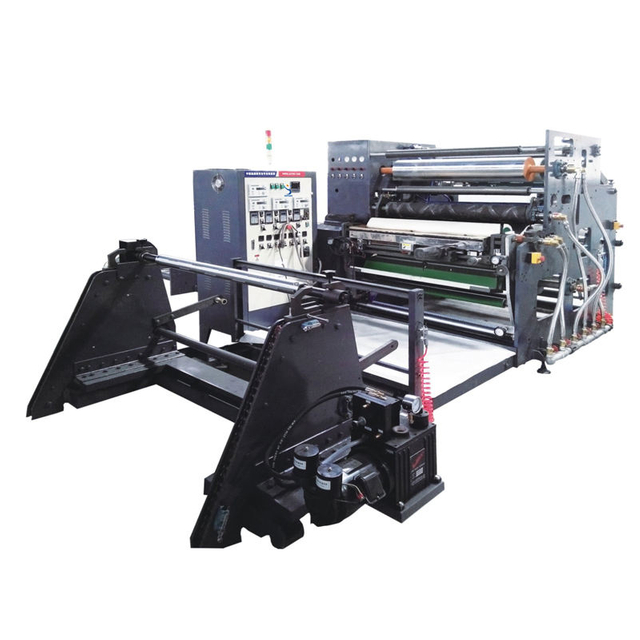
The heart of any production line is the medical tape coating machine. It applies a precise layer of adhesive onto the moving substrate. This stage is critical because even a slight variation in coating weight can lead to product failure. Modern machines use automated sensors to monitor real-time thickness, ensuring a uniform spread across the entire width of the web.
If you use solvent-based adhesives, the tape must pass through a multi-zone drying oven. These systems evaporate the solvents at controlled temperatures. This step is vital for patient safety; any residual solvent trapped in the tape can lead to severe skin irritation or chemical burns. High-end facilities integrate solvent recovery units to capture and reuse these chemicals, reducing environmental impact and operational costs.
Once the adhesive is set, the machine laminates a release liner onto the coated surface. This liner protects the adhesive until the point of use. We must ensure this process happens in a tension-controlled environment to prevent "tunneling" or wrinkles. Contaminants like dust or hair must be strictly excluded here, as they compromise the sterile nature of the final medical product.
The production line typically creates "jumbo rolls" that are too large for hospital use. We use precision slitting machines to cut these rolls into standard clinical widths, such as 1-inch or 2-inch tapes. The rewinding process must be gentle; if the tape is wound too tightly, the adhesive can "bleed" out from the sides, making the roll difficult to unwind in an emergency.
Medical tape manufacturing doesn't happen in a standard factory setting. It requires a controlled environment, typically an ISO Class 7 or 8 cleanroom. This setup minimizes airborne particulates. Every component, from the medical tape coating machine to the air filtration system, works together to maintain a sterile-ready product.
The final step involves sealing the tapes in pouches or boxes. These materials must be compatible with sterilization methods like Ethylene Oxide (ETO) or Gamma radiation. We design the packaging to allow the sterilizing gas to penetrate and kill microbes while maintaining a microbial barrier for the shelf life of the product.
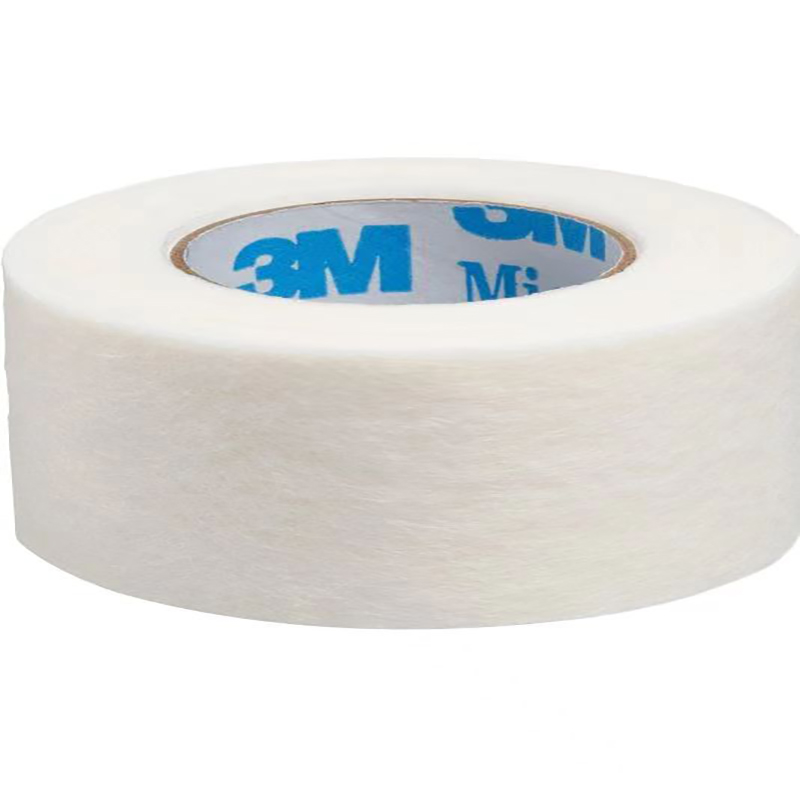
A medical tape coating machine is a collection of high-precision instruments. The most critical part is the coating head. Manufacturers often choose between Slot Die and Commat Bar systems. Slot Die coating is preferred for high-end medical applications because it is a closed system, preventing adhesive contamination and offering superior thickness control for thin-film dressings.
Tension control is another non-negotiable feature. Breathable medical films are often extremely thin and elastic. If the medical tape coating equipment applies too much tension, the film stretches. Once the tension is released, the film shrinks, causing the adhesive to pucker. Advanced machines use load cells and servo motors to maintain "near-zero" tension throughout the path.
Digital integration has transformed the modern shop floor. Today’s machines feature PLC (Programmable Logic Controller) systems with touch-screen interfaces. Operators can save "recipes" for different products, ensuring that the temperature, speed, and coating gap are identical every time a specific batch is run. This level of automation is essential for meeting the strict audit trails required by healthcare regulators.
Component | Function | Benefit for Medical Grade |
Slot Die Head | Closed-loop adhesive application | Prevents contamination and ensures micron-precision |
Servo-Driven Rollers | Precision tension management | Prevents stretching of delicate breathable films |
IR Drying Sensors | Real-time moisture/solvent check | Guarantees zero skin-irritant residue |
PLC Control Unit | Data logging and recipe storage | Provides mandatory batch traceability for ISO audits |
Choosing the right "glue" is as much about chemistry as it is about mechanical engineering. Traditional zinc oxide adhesives are still used for heavy-duty sports tapes because of their high tack and durability. However, they are less common in general wound care due to potential skin sensitivities.
Hypoallergenic acrylic adhesives have become the industry standard. They are stable, offer excellent transparency, and rarely cause allergic reactions. When applied by a high-quality medical tape coating machine, acrylics provide a consistent peel force that remains stable over time, even when exposed to body heat.
The latest innovation in the field is silicone gel coating. Unlike traditional adhesives that bond to skin cells, silicone gels flow into the microscopic nooks and crannies of the skin. This creates a secure bond that can be removed and repositioned without causing "skin stripping." This technology is essential for chronic wound care and elderly patients with "paper-thin" skin.
In medical manufacturing, "good enough" does not exist. You must comply with ISO 13485, the quality management standard for medical devices. This requires rigorous testing of every batch. We perform bio-compatibility tests to ensure the materials do not cause cytotoxicity, sensitization, or intracutaneous irritation.
Physical testing is equally important. We use standardized peel adhesion tests to measure the force required to remove the tape from a stainless-steel plate or a skin-simulant. If the medical tape coating machine creates a layer that is too thick, the "shear strength" might be too high, making the tape difficult to remove.
Modern production lines now include in-line vision inspection. These systems use high-speed cameras to scan every inch of the tape as it moves through the medical tape coating machinery. If the camera detects a tiny bubble, a hair, or a skip in the adhesive, it flags that section for removal. This automation ensures that 100% of the product shipped to hospitals is defect-free.
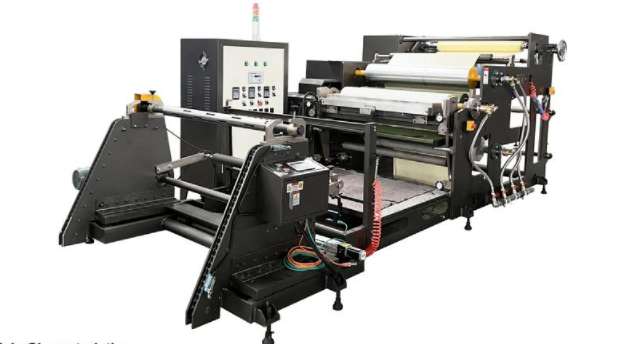
Manufacturers often face a choice between two primary coating technologies. Solvent-based lines offer the highest precision. They allow for very thin, uniform layers of adhesive, which is ideal for specialized products like nicotine or fentanyl patches. However, they require massive drying ovens and expensive solvent recovery systems.
Hot-melt coating lines are gaining popularity because they are more eco-friendly. Since there are no solvents to evaporate, the process is faster and requires less energy. The medical tape coating machine for hot-melts is also more compact. While hot-melts traditionally had lower heat resistance, modern formulations have bridged the gap, making them suitable for most surgical and first-aid tapes.
Feature | Solvent-Based Coating | Hot-Melt Coating |
Precision | Ultra-high (Micron level) | High |
Environmental Impact | High (Requires Recovery) | Low (Solvent-free) |
Line Speed | Moderate | Very High |
Footprint | Large (Due to Ovens) | Compact |
Efficiency in medical tape production is about more than just speed; it is about reducing the waste of expensive raw materials. Automated splicing systems allow you to join a new roll of substrate to the end of an expiring one without stopping the medical tape coating machine. This prevents the "start-stop" waste that occurs when recalibrating the coating thickness.
We also focus on precision slitting. By optimizing the width of the jumbo roll, you can minimize "edge scrap"—the unusable strips of coated material at the sides. Since medical-grade adhesives and breathable films are costly, saving even 2% of material can result in thousands of dollars in annual savings.
Predictive maintenance is the final piece of the efficiency puzzle. By using IoT sensors on the motors and bearings of your medical tape coating equipment, you can detect vibrations or heat spikes before a breakdown occurs. This allows you to schedule repairs during planned downtime, ensuring your production line keeps running during peak demand periods.
The industry is moving toward "smart tapes." These products incorporate wearable electronics and sensors into the adhesive layers to monitor a patient’s heart rate or glucose levels. Manufacturing these requires even more advanced medical tape coating machines capable of handling conductive inks and delicate sensor components without damaging them.
Sustainability is also becoming a major driver. We are seeing a shift toward biodegradable substrates and "green" adhesives derived from renewable sources. As hospitals look to reduce their carbon footprint, manufacturers who can produce eco-friendly medical tapes will have a significant competitive advantage.
thought
Manufacturing medical adhesive tapes is a sophisticated journey from chemical selection to clinical use. The process relies on a precision medical tape coating machine to maintain hygiene and tension. Ruian City Jiayuan Machinery Co., Ltd. provides high-performance machinery that solves core bonding challenges. Their equipment ensures tapes hold firm yet release gently for patient safety. By investing in these advanced systems, manufacturers can master evolving trends in medical disposables.
A: This machine applies precise, sterile adhesive layers onto substrates like non-woven fabric or film.
A: It prevents delicate medical films from stretching, ensuring the final tape remains breathable and stable.
A: High-precision slitting and automated splicing systems minimize material scrap and operational downtime.
A: Slot die systems on a Medical Tape Coating Machine provide superior thickness control compared to traditional methods.