
Views: 0 Author: Site Editor Publish Time: 2026-09-11 Origin: Site


Procuring industrial manufacturing equipment represents a massive capital expenditure. The cost of failure extends far beyond the initial purchase. It directly impacts material yield, facility downtime, and product certification. The market is saturated with equipment manufacturers offering similar baseline specifications. This saturation makes it difficult to distinguish between reliable engineering partners and suppliers masking subpar components with aggressive marketing. You need machinery that performs consistently under heavy industrial loads.
To mitigate operational risk and ensure long-term profitability, procurement teams and plant engineers must adopt a rigorous evaluation framework. You must implement an evidence-based approach that scrutinizes technical capabilities, structural integrity, and post-installation support. Relying on glossy brochures or theoretical maximum speeds leads to poor procurement decisions. We outline actionable steps to evaluate machinery suppliers, focusing on the technical realities of continuous production and the engineering standards required for high-yield manufacturing.
Define Success Metrics Early: Align your material requirements (e.g., modified bitumen, PVC, TPO) with the supplier’s demonstrated capacity for precision, speed, and continuous 24/7 operation before initiating the Request for Proposal (RFP) process.
Scrutinize Coating Precision: The viability of a waterproof roll coating machine hinges on its ability to maintain strict thickness tolerances and uniform distribution, which directly dictates raw material waste and product compliance.
Mandate Rigorous Testing: Never finalize a purchase without a comprehensive Factory Acceptance Test (FAT) and Site Acceptance Test (SAT) backed by a legally binding performance guarantee.
Translate operational goals into strict technical machinery specifications. Market expansion requires versatile machinery capable of handling multiple product types. Cost reduction demands high-efficiency drives and minimal raw material waste. Product diversification means you need modular equipment designs. Document these operational goals clearly. Share them with your internal engineering team to establish non-negotiable baseline criteria. This documentation prevents scope creep during supplier negotiations. It ensures every vendor evaluated meets your minimum technical threshold.
Different substrates and chemical compounds require highly specific handling mechanisms. Polymer-modified asphalt behaves differently than synthetic membranes like TPO, EPDM, or PVC. Ensure your chosen waterproofing material production equipment matches your exact chemical formulations. Viscosity changes at different temperatures dictate the type of pumps and heating elements required.
Substrate Type | Recommended Coating Method | Key Machinery Requirements |
|---|---|---|
Polymer-Modified Asphalt | Dip Coating / Extrusion | High-capacity thermal fluid heating, heavy-duty tension zones. |
TPO / PVC Synthetic | Co-extrusion | Precision chill rolls, static elimination bars, edge trimming. |
Self-Adhesive Bitumen | Roll Coating | Silicone release film unwinds, precise temperature control. |
Calculate realistic throughput requirements in meters per minute or tons per day. Do not rely solely on the theoretical maximums advertised by suppliers. Real-world continuous output is always lower than peak test speeds. Factor in roll changeovers, routine splicing, and minor maintenance stops. Demand that suppliers provide throughput data based on sustained continuous operation, not short-burst testing.
Assess your available floor space and power capacity before reviewing machine footprints. Heavy-duty extrusion lines require reinforced concrete foundations to prevent micro-vibrations. High-capacity heating modules demand significant electrical infrastructure and dedicated transformers. Verify how the new equipment integrates with your existing plant layout. Evaluate the logistics of raw material delivery to the wet end of the machine. Determine how finished rolls will exit the dry end.
Evaluate compatibility with current enterprise resource planning (ERP) systems. Modern production lines generate massive amounts of data. Your new machinery must communicate seamlessly with your central network for accurate data logging and production tracking.
Identify necessary add-ons early in the procurement process. Overlooking end-of-line accessories creates severe production bottlenecks. Consider the following hardware integrations to ensure a seamless manufacturing process:
Inline printing modules for branding, batch tracking, and compliance marking.
High-speed edge trimmers to maintain precise roll widths and recycle edge trim automatically.
Auto-splicers for continuous operation without stopping the line during raw material changeovers.
Automated packaging and palletizing systems to handle heavy finished rolls safely and efficiently.
Static elimination bars to prevent dust accumulation on synthetic membranes.
Inline optical inspection systems to detect pinholes or coating defects in real time.
The application method must suit your specific viscosity requirements and product design. Extrusion, dip coating, and roll coating each serve different material profiles. Slot die extrusion offers superior thickness control for high-viscosity polymers. It utilizes a closed system that prevents contamination and minimizes solvent evaporation. Comma bar coating works better for lower viscosity applications where precise metering is required. Analyze the thickness control mechanisms carefully. Real-time monitoring sensors are mandatory to prevent material giveaway. Strict tolerance control ensures standard compliance and protects your material yield.
A reliable waterproof roll coating machine maintains uniform distribution across the entire web width. Ask suppliers how their equipment handles edge-to-edge thickness variations. Investigate the design of the coating heads. They must be easy to clean and quick to dismantle during formulation changeovers. Gear pumps are necessary for consistent volumetric flow. They ensure the coating material reaches the application head at a constant pressure, regardless of upstream viscosity fluctuations.
Automated tension control is mandatory for high-speed operation. It prevents substrate stretching, wrinkling, or tearing. Inconsistent tension ruins product quality and causes frequent line stops. Evaluate the precision of the accumulators. These components buffer the material during roll changes. They must operate smoothly to prevent sudden tension spikes. Load cells provide direct tension feedback to the programmable logic controller (PLC). Dancer rollers absorb sudden tension spikes during splicing operations.
Scrutinize the edge-guiding systems. These components must react instantly to minor web deviations. Advanced systems use ultrasonic or optical sensors to detect the web edge. They then adjust the steering rollers via fast-acting servo motors. Poor web handling leads to telescoped rolls and rejected inventory. Variable frequency drives (VFDs) synchronized via a common DC bus provide precise speed matching across all machine sections. This synchronization prevents web breaks during ramp-up and ramp-down phases.
Review the thermal efficiency of the cooling matrix. Whether water-cooled or air-cooled, the system must stabilize the membrane completely before winding. Insufficient cooling leads to roll telescoping and material blocking in the warehouse. Evaluate the diameter and internal flow design of the chill rolls. Double-shell chill rolls with spiral internal baffles provide the most uniform cooling. They ensure consistent heat transfer across the entire roll surface. Surface condensation can affect synthetic membranes. Mitigate this issue by installing air knives that strip moisture from the web before winding.
Assess the automated winding and cutting stations. They must support continuous operation and ensure roll uniformity. Turret winders with automatic flying splice capabilities allow for continuous production without slowing down the primary drive. Operator safety features around the winding matrix are non-negotiable. Look for physical guarding, light curtains, and accessible emergency stop buttons. The cutting mechanism must provide clean, square cuts without interrupting the web tension.
Industrial machinery must withstand round-the-clock production cycles. Scrutinize the structural integrity of the machine frame. Heavy-duty welded steel frames must be stress-relieved before machining. This process ensures long-term alignment and prevents vibration at high speeds. Vibration degrades coating precision and accelerates mechanical wear. Analyze the drive systems for structural fatigue resistance.
Evaluate the Mean Time Between Failures (MTBF) for critical moving parts. Ask for specifications on bearings, gearboxes, and primary drive motors. High-quality components from reputable manufacturers extend the lifespan of the equipment. Avoid machines built with undersized motors that run constantly at maximum capacity. Centralized automatic lubrication systems reduce manual maintenance. They ensure critical bearings receive consistent oil or grease, preventing premature mechanical failure.
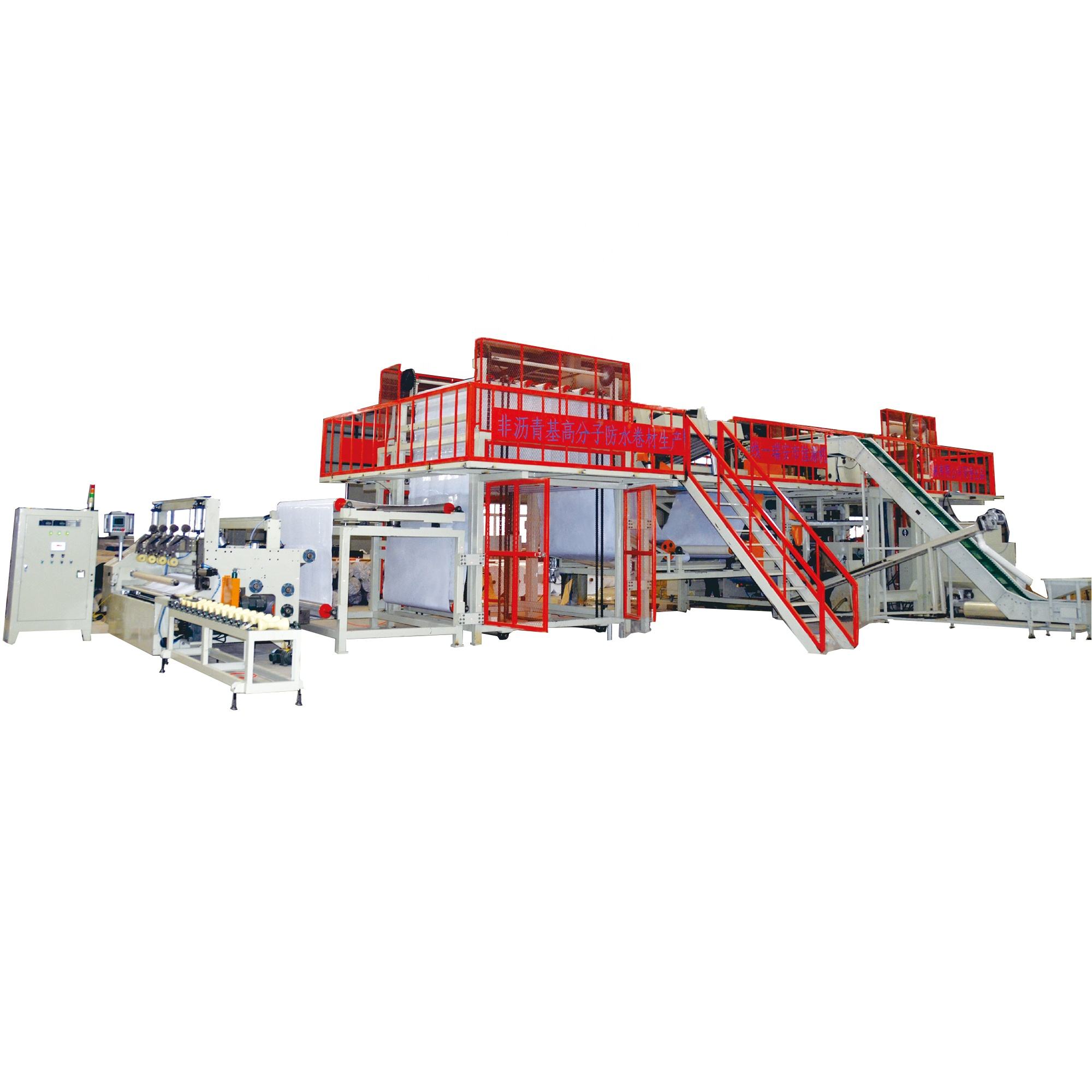
Investigate the origin of internal electrical and mechanical components. Reliable suppliers use globally recognized, open-architecture parts. Brands like Siemens, Allen-Bradley, and SEW motors ensure global availability of replacements. Avoid suppliers using proprietary or obscure parts. These complicate future maintenance and extend downtime when replacements are needed. IO-Link sensors enable predictive maintenance. These smart sensors alert operators to degrading performance before a catastrophic failure occurs.
Open PLC architecture allows your internal maintenance team to troubleshoot effectively. Request access to the source code for the machine's logic controller. Locked or proprietary software forces you to rely entirely on the supplier for minor adjustments. This dependency creates unacceptable operational risks during night shifts or weekends. Remote access gateways allow suppliers to perform remote diagnostics and software updates securely.
Evaluate the supplier's engineering depth and technical flexibility. Can they customize a waterproof membrane production line to your specific needs? Climatic conditions, unique material blends, and proprietary manufacturing processes often require bespoke hardware modifications. Standard off-the-shelf machines rarely deliver optimal performance for specialized products. Adding a fleece backing station for fully adhered roofing systems requires precise lamination control.
Assess their ability to provide process design assistance. A true engineering partner helps optimize your formulation alongside the hardware installation. They should understand the chemistry of your materials, not just the mechanics of their machine. Ask about their experience with multi-layer lamination or reinforced composite membranes. Custom nip roller designs prevent delamination when combining dissimilar materials.
Conduct rigorous reference checks before signing any contracts. Focus on actual machine uptime versus promised yield. Ask past clients about the supplier's responsiveness to critical failures. Analyze independent customer testimonials. Look for hidden reliability issues or recurring mechanical faults.
Request site visits to operational plants. Seeing a waterproof coating machine running in a real-world environment reveals its true operational stability. Observe the noise levels, the cleanliness of the coating station, and the behavior of the web at high speeds. Speak directly with the machine operators, not just the plant managers. Operators provide the most accurate assessment of daily usability and maintenance challenges.
Design your facility for modularity and future expansion. Product lines evolve over time as market demands shift. Assess the feasibility of retrofitting standalone modules later. You may need to add secondary lamination stations, fleece backing applicators, or additional coating heads. A modular frame design allows for seamless upgrades without replacing the entire system.
Ensure the primary drive system and central PLC have excess capacity. They must be able to handle additional motors and sensors in the future. Buying a machine that is already maxed out on its processing power severely limits your future manufacturing capabilities.
Evaluate the Human-Machine Interface (HMI) thoroughly. It must offer intuitive operation and comprehensive data logging capabilities. Complex, poorly translated interfaces lead to operator errors and wasted material. Remote diagnostic features allow suppliers to troubleshoot software issues instantly from their headquarters.
Automation reduces reliance on highly specialized manual labor. It minimizes human error during complex product changeovers. Look for machines with recipe management systems. These allow operators to save specific tension, temperature, and speed settings for different products. Recalling a recipe ensures consistent quality across different production runs.
Ensure the machinery complies with regional safety standards. Certifications like CE, UL, or OSHA are mandatory for legal operation. Safety interlocks and emergency stop networks must be robust and fail-safe. Check that all rotating parts and nip points are heavily guarded. A compliant waterproof membrane coating machine protects your workforce and shields your company from liability.
Evaluate emission controls and fume extraction systems. Processing hot asphalt or volatile polymers generates hazardous vapors. Energy recovery modules help meet increasingly strict environmental regulations. Proper ventilation protects operators and prevents the buildup of flammable gases. Ask the supplier for data on the machine's thermal emissions and exhaust requirements.
Structure your procurement contract to minimize operational risk. Tie phased payments to specific engineering and performance milestones. Do not release final payment until the machine meets all agreed-upon production metrics on your floor. This keeps the supplier accountable throughout the installation phase.
Require detailed installation drawings and utility requirements well in advance of delivery. Your facility must be fully prepared with the correct power, water, and air hookups before the machine arrives. Delays in site preparation lead to costly installation overruns. Draft a clear Division of Responsibility (DOR) document. The DOR outlines exactly what the supplier provides and what the buyer provides. This prevents disputes during the installation phase.
Define strict protocols for the FAT. Run your actual raw materials on the supplier's floor before shipment. This identifies formulation compatibility issues early. Do not accept a FAT conducted with substitute materials. Document every parameter during the test run.
Establish clear SAT criteria for final sign-off. Include sustained run-rate tests over multiple shifts. Conduct rigorous quality audits on the finished rolls produced during the SAT. The waterproof roll production line must prove it can hit target speeds while maintaining strict thickness tolerances. Reject the installation if it fails to meet these documented metrics.
Evaluate the scope of operator and maintenance training provided. Commissioning must include hands-on instruction for your staff. Classroom training is insufficient for complex industrial machinery. Your maintenance team must learn how to calibrate sensors, replace bearings, and troubleshoot the PLC.
Scrutinize warranty exclusions carefully. Guarantee response times for technical support in writing. Verify the availability of local service technicians. Fast access to spare parts and expert support keeps your facility running efficiently. Ask for a recommended spare parts list and purchase the critical wear items alongside the machine.
Finalize your internal technical requirements document, detailing exact material specifications, throughput goals, and facility constraints.
Draft a comprehensive Request for Proposal (RFP) that mandates open-architecture PLC components and strict Factory Acceptance Test (FAT) protocols.
Schedule technical audits and operational site visits with your top three shortlisted manufacturers to verify their engineering capabilities firsthand.
Establish a weighted evaluation matrix prioritizing proven coating precision, structural durability, and robust after-sales support over baseline initial bids.
A: Standard lead times range from four to eight months. Complex custom configurations may require up to twelve months. Installation and commissioning typically add another three to six weeks depending on site readiness and local utility preparations.
A: Mandate a Factory Acceptance Test (FAT) using your specific raw materials. Measure the output with digital calipers and ultrasonic thickness gauges to ensure the machine meets your strict tolerance requirements across the entire web width.
A: Standard lines offer fixed widths and predetermined coating methods suitable for common materials. Custom-engineered lines are tailored for unique chemical formulations, specific facility constraints, and specialized multi-layer lamination processes.
A: Continuous operation requires daily visual inspections and weekly lubrication of moving parts. Deep maintenance, including roller recalibration and bearing replacement, should be scheduled quarterly to prevent unexpected mechanical failures.
A: Key metrics include sustained line speed, coating thickness consistency, edge alignment accuracy, and the operational reliability of automated splicing and winding mechanisms under continuous load.
A: Yes, modular systems allow for retrofitting. You can integrate new extrusion heads, inline printers, or automated palletizers provided your central PLC architecture supports the additional hardware integration.
A: They are mandatory. Site visits reveal the true operational stability of the equipment. Speaking with current users uncovers hidden maintenance issues and verifies the supplier's responsiveness to technical emergencies.


