
Views: 0 Author: Site Editor Publish Time: 2026-02-13 Origin: Site


Are you struggling with your hot melt coating machine? You're not alone. Many users face common issues that can hinder performance and efficiency. Hot melt adhesive coating machines are vital in various industries, ensuring strong bonds and coatings. However, understanding the problems they encounter is crucial for smooth operations.
In this post, we’ll discuss the typical challenges faced by hot melt coating machines and provide practical solutions to enhance their performance. You'll learn how to troubleshoot and maintain your equipment effectively.
A hot melt adhesive coating machine is designed to apply adhesive materials in various industries. These machines use heat to melt the adhesive, allowing for a smooth application on different substrates.
Purpose:
● Ensure strong bonding for packaging, woodworking, and automotive applications.
● Improve production efficiency by enabling quick drying and curing times.
Types of Hot Melt Coating Machines:
● Roller Coating Machines: Ideal for uniform adhesive application on flat surfaces.
● Nozzle Coating Machines: Suitable for precise applications, often used in intricate designs.
● Slot Die Coating Machines: Perfect for thin, even layers of adhesive on various substrates.
Hot melt coating machines operate on a straightforward principle: heat and pressure. By melting the adhesive, these machines create a bond that is both strong and durable.
Basic Operational Principles:
1. Heating: The adhesive is heated in a reservoir until it reaches a liquid state.
2. Application: The melted adhesive is applied through nozzles or rollers onto the substrate.
3. Cooling: Once applied, the adhesive cools rapidly, forming a strong bond.
Key Components Involved in the Process:
● Heating Element: Maintains the adhesive at the correct temperature for optimal flow.
● Pump System: Controls the flow rate of the adhesive, ensuring consistent application.
● Application Head: Directs the adhesive onto the substrate with precision.
● Temperature Sensors: Monitor the adhesive temperature, preventing overheating.
Component | Function |
Heating Element | Melts adhesive to the required viscosity |
Pump System | Regulates adhesive flow |
Application Head | Applies adhesive evenly |
Temperature Sensors | Ensures optimal adhesive temperature |
By understanding these components and their functions, we can appreciate how a hot melt adhesive coating machine enhances production efficiency. They are essential tools in modern manufacturing, ensuring quality and reliability in adhesive applications.
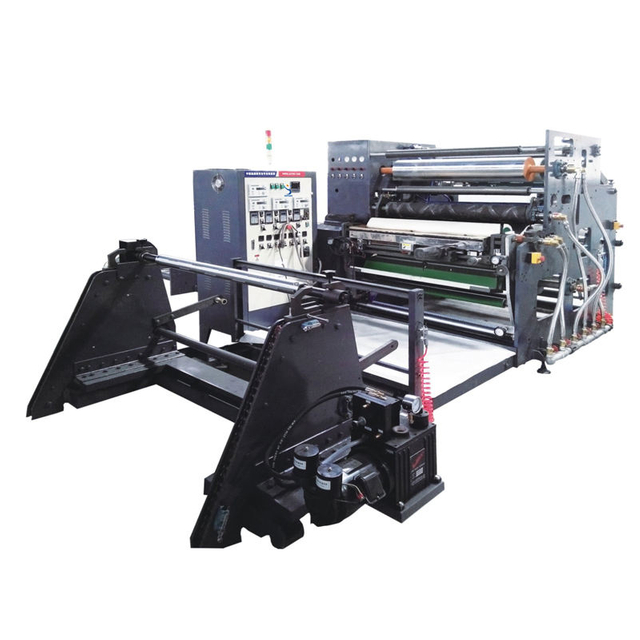
Hot melt adhesive coating machines are essential for many manufacturing processes, but they can encounter several issues that affect performance. Understanding these common problems can help you troubleshoot effectively and maintain optimal operation.
Inconsistent application of adhesive can lead to weak bonds and product failures. This issue often stems from:
● Temperature Fluctuations: Variations in temperature can affect the viscosity of the adhesive, causing uneven application.
● Pressure Issues: Inadequate or excessive pressure can disrupt the flow of adhesive.
● Incorrect Glue Application Speed: Applying adhesive too quickly or slowly can result in poor coverage.
Solutions:
● Regular Maintenance: Conduct routine checks on the machine to ensure all components are functioning correctly.
● Temperature Calibration: Regularly calibrate temperature settings to maintain consistent adhesive viscosity.
● Adjusting Application Speed: Fine-tune the speed settings to match the specific adhesive and substrate requirements.
Clogs in nozzles and hoses can halt production and lead to wasted materials. Common causes include:
● Adhesive Char: Heated adhesive can char and create blockages.
● Contamination: Foreign materials can enter the system, causing clogs.
● Foreign Bodies in the Glue Bucket: Dust and debris can contaminate the adhesive supply.
Solutions:
● Regular Cleaning Protocols: Establish a cleaning schedule to remove any buildup in the system.
● Use Appropriate Adhesives: Select adhesives that are compatible with your machine to reduce the risk of clogging.
● Maintaining Proper Adhesive Viscosity: Monitor and adjust the viscosity of the adhesive to ensure smooth flow.
Poor bonding can lead to product failures and customer dissatisfaction. This issue can arise from:
● Surface Preparation Issues: Dirty or improperly prepared surfaces can hinder adhesion.
● Incorrect Adhesive Application: Applying too little or too much adhesive can compromise bonds.
● Insufficient Adhesive Amount: Not using enough adhesive can lead to weak joints.
Solutions:
● Proper Training: Ensure operators are trained in best practices for adhesive application.
● Adherence to Manufacturer Guidelines: Follow the manufacturer’s instructions for adhesive use and application techniques.
● Increasing Coating Thickness: Adjust settings to apply a thicker layer of adhesive when necessary.
Dripping or leaking adhesive not only wastes materials but can also create messy work environments. Causes include:
● Worn Components: Over time, parts like seals and nozzles can wear out, leading to leaks.
● Improper Installation: Incorrectly installed components can cause adhesive to escape.
● Low Air Pressure: Insufficient air pressure can affect the adhesive application process.
Solutions:
● Regular Inspections: Frequently check components for wear and tear.
● Timely Replacements: Replace worn parts promptly to prevent leaks.
● Ensuring Proper Solenoid Valve Function: Check solenoid valves to ensure they are sealing correctly.
When adhesives smoke or char, it indicates overheating, which can compromise product quality. Causes include:
● Overheating: Leaving the adhesive in the heater for too long can lead to degradation.
● Prolonged Heating: Continuous heating without proper cycling can cause issues.
● Poor Thermal Stability of the Adhesive: Some adhesives are more prone to charring than others.
Solutions:
● Monitoring Temperature Settings: Regularly check and adjust temperature settings to avoid overheating.
● Implementing Standby Modes: Use standby modes to reduce heat exposure when the machine is idle.
● Using Adhesives with Better Thermal Stability: Select adhesives designed for high-temperature applications.
Achieving a uniform coating thickness is crucial for product performance. Common culprits include:
● Nozzle Alignment Issues: Misaligned nozzles can lead to uneven application.
● Inconsistent Pressure: Fluctuating pressure can affect adhesive distribution.
● Improper Substrate Temperature: Cold substrates can cause adhesive to cool too quickly, leading to uneven layers.
Solutions:
● Adjusting Machine Settings: Fine-tune the machine settings to achieve the desired application thickness.
● Regular Calibration: Periodically calibrate the machine to ensure consistent operation.
● Ensuring Substrates are at Optimal Temperatures: Preheat substrates when necessary to facilitate even coating.
When adhesive fails to flow, it can stall production. This issue may arise from:
● Low Tank Pressure: Insufficient pressure can hinder adhesive movement.
● Viscosity Issues: Adhesives that are too thick may not flow correctly.
● Air Pressure Instability: Fluctuations in air pressure can disrupt the adhesive application process.
Solutions:
● Checking Pressure Settings: Regularly verify that tank and air pressure are at optimal levels.
● Using Suitable Adhesive Types: Ensure the adhesive is appropriate for the application and machine specifications.
● Ensuring Stable Air Pressure: Maintain consistent air pressure to facilitate smooth adhesive flow.
Identifying and addressing these common problems can significantly enhance the performance of your hot melt adhesive coating machine. By implementing the right solutions, you can ensure efficient operations and high-quality output.
Maintaining your hot melt adhesive coating machine is essential for smooth operations. Regular troubleshooting can prevent minor issues from escalating into major problems.
Routine checks are crucial for ensuring your hot melt coating machine runs efficiently. By focusing on key areas, you can catch potential issues early.
Importance of Routine Checks:
● Regular maintenance helps identify wear and tear before it affects production.
● It ensures consistent adhesive application, improving product quality.
Key Areas to Focus On:
● Nozzles: Inspect for clogs or wear. Clean them regularly to ensure a smooth adhesive flow.
● Hoses: Check for leaks or cracks, as damaged hoses can disrupt adhesive delivery.
● Temperature Settings: Regularly calibrate temperature controls to maintain optimal adhesive viscosity.
● Adhesive Quality: Monitor the adhesive for signs of degradation or contamination. Using fresh, high-quality adhesive is vital.
Maintenance Area | Recommended Frequency | Key Actions |
Nozzles | Weekly | Clean and inspect for blockages |
Hoses | Monthly | Check for leaks and replace if needed |
Temperature Settings | Monthly | Calibrate and test for accuracy |
Adhesive Quality | As Needed | Inspect for age and contamination |
Sometimes, despite your best efforts, issues arise that require professional intervention. Recognizing these signs can save time and resources.
Signs Indicating Professional Intervention is Needed:
● Persistent leaks or adhesive drips that cleaning cannot resolve.
● Frequent clogging of nozzles, even after routine maintenance.
● Inconsistent adhesive application that cannot be corrected through adjustments.
Importance of Consulting with Suppliers:
● They can provide valuable insights into specific issues related to your hot melt coating machine.
● Suppliers often have troubleshooting guides and can recommend appropriate repairs or replacements.
● Engaging with experts can help you understand the best practices for your specific equipment.
By staying proactive in maintenance and knowing when to seek help, you can keep your hot melt adhesive coating machine running smoothly. This approach not only enhances productivity but also extends the lifespan of your equipment.
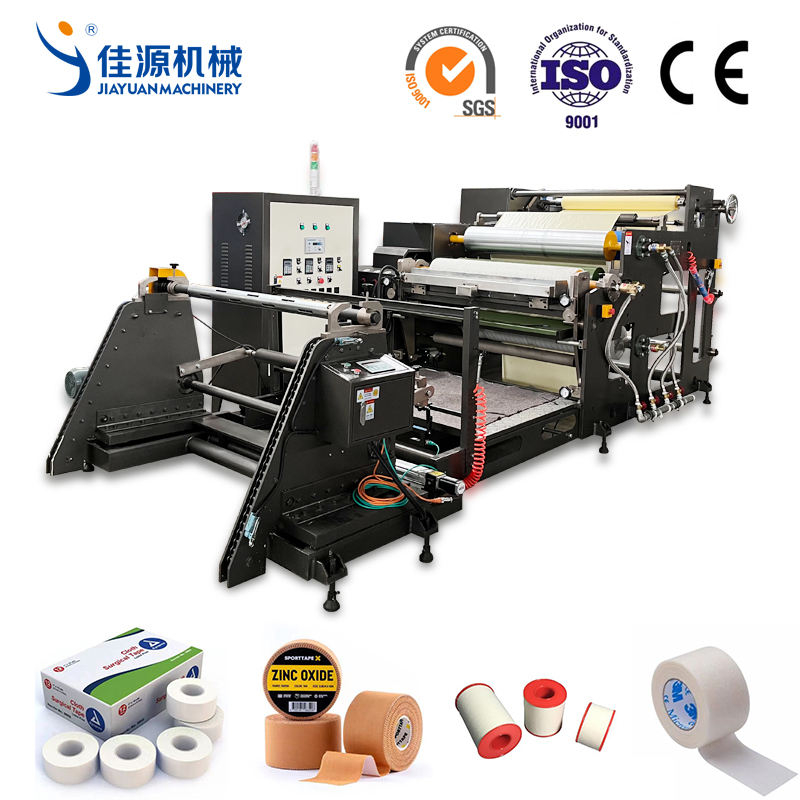
Operating a hot melt adhesive coating machine effectively requires attention to detail and adherence to best practices. By focusing on key areas, you can enhance performance and ensure quality results.
Getting the temperature and pressure right is crucial for the success of your hot melt coating machine.
Importance of Adhering to Manufacturer Specifications:
● Each machine has specific temperature and pressure settings recommended by the manufacturer.
● Following these specifications ensures the adhesive performs as intended, preventing issues like clogging or uneven application.
Regular Monitoring:
● Regularly check temperature gauges and pressure readings to maintain consistency.
● Use digital monitors for precise tracking, which can alert you to any deviations from the set parameters.
Choosing the right adhesive is fundamental for achieving strong bonds and optimal performance.
Choosing the Right Adhesive:
● Different applications require different adhesives. For example, some adhesives are better suited for porous materials, while others work well on non-porous surfaces.
● Consider factors such as curing time, temperature resistance, and flexibility based on your specific application needs.
Adhesive Compatibility:
● Always verify that the adhesive is compatible with your hot melt coating machine. Using inappropriate adhesives can lead to equipment damage and poor bonding.
Well-trained operators are essential for maximizing the efficiency of your hot melt coating machine.
Importance of Proper Training:
● Operators should understand how to set up and operate the machine correctly. This knowledge minimizes errors and reduces downtime.
● Training should cover troubleshooting techniques to address common issues quickly.
Resources for Training Materials:
● Manufacturers often provide training manuals and videos. Utilize these resources for comprehensive training.
● Consider workshops or online courses focused on adhesive technology and machine operation best practices.
Training Resource | Description |
Manufacturer Manuals | Detailed guides specific to the machine |
Online Courses | Courses on adhesive technology and application |
Workshops | Hands-on training sessions for operators |
By implementing these best practices, you can ensure your hot melt adhesive coating machine operates at peak efficiency, delivering high-quality results consistently. This proactive approach will not only enhance productivity but also reduce the likelihood of costly downtime.
To keep your hot melt adhesive coating machine running smoothly, it's essential to focus on prevention. Proper handling, storage of adhesives, and managing temperature can significantly reduce common issues.
Proper handling and storage of adhesives are crucial for maintaining their quality and effectiveness.
Importance of Contamination Prevention:
● Contaminants like dust, moisture, and foreign particles can compromise adhesive performance.
● Always use clean tools and containers when handling adhesives to minimize the risk of contamination.
Proper Storage Conditions:
● Store adhesives in a cool, dry place, away from direct sunlight and extreme temperatures.
● Ensure containers are tightly sealed to prevent moisture absorption and maintain adhesive integrity.
Storage Condition | Recommended Practice |
Temperature | Keep between 60°F and 80°F (15°C to 27°C) |
Humidity | Maintain low humidity levels to avoid moisture |
Container Sealing | Use airtight containers to prevent contamination |
Overheating can lead to burnt adhesives, which negatively impact bonding strength and application quality.
Regularly Checking the Heating Zones:
● Monitor the heating zones of your hot melt coating machine. Ensure they are functioning within the specified temperature range.
● Use calibrated thermometers to check that the temperature settings align with manufacturer recommendations.
Implementing Standby Functions:
● Utilize standby modes during downtime to prevent overheating when the machine is not in use.
● This practice not only saves energy but also protects the adhesive from prolonged exposure to high temperatures.
By focusing on these preventive measures, you can enhance the performance of your hot melt adhesive coating machine. Taking the time to handle and store adhesives correctly, along with managing temperature settings, will help you avoid common problems and ensure efficient operations.
Understanding and addressing common problems with hot melt coating machines is crucial for maintaining efficiency. Implementing best practices ensures optimal performance and reduces downtime. Reliable hot melt adhesive coating machines are essential for quality production. At JIAYUAN, our products are designed to enhance operational efficiency and provide exceptional value. We focus on delivering high-quality solutions that meet industry standards, ensuring your processes run smoothly.
A: Common issues include inconsistent adhesive application, clogging nozzles, and overheating, which can affect the performance of a hot melt adhesive coating machine.
A: Regularly monitor temperature settings and implement standby modes to avoid overheating in your hot melt adhesive coating machine.
A: Choosing the right adhesive ensures strong bonding and optimal performance in your hot melt coating machine, preventing common application issues.
A: Regular cleaning, checking nozzles, and monitoring temperature settings are crucial for maintaining a hot melt adhesive coating machine.
A: A hot melt coating machine uses heat to apply adhesives, offering faster curing times and stronger bonds compared to traditional methods.


