
Views: 0 Author: Site Editor Publish Time: 2026-02-13 Origin: Site


Have you ever wondered how products are bonded so quickly and efficiently? The secret lies in the hot melt adhesive coating machine. This innovative technology has transformed various industries by providing strong, clean, and fast bonding solutions.
In this article, we will explore what a hot melt adhesive coating machine is and its essential functions. You'll also learn about the evolution of hot melt adhesives and their advantages over traditional solvent-based options. Join us as we dive into the world of hot melt coating machines and discover their significance in modern manufacturing.
Understanding how a hot melt adhesive coating machine operates can help you appreciate its efficiency. The process involves several key systems that work together to apply adhesive seamlessly.
1. Heating System
● The heating system is crucial. It converts electrical energy into thermal energy, melting solid adhesive into a liquid form.
● A precise temperature control system ensures the adhesive reaches the right viscosity for optimal application.
2. Pressure System
● This system generates the necessary pressure to extrude the molten adhesive evenly.
● It uses pneumatic or hydraulic mechanisms, which help maintain consistent flow and prevent clogging.
3. Spraying System
● The spraying system applies the adhesive onto various substrates through nozzles or rollers.
● It allows for controlled coating thickness, catering to different production needs.
Component | Function |
Glue Tank | Holds the hot melt adhesive, featuring a Teflon-coated interior to prevent carbonization. This coating helps maintain the adhesive's quality and flow characteristics. |
Nozzles and Rollers | Responsible for applying the adhesive uniformly. They ensure that the right amount of adhesive is used, reducing waste. |
Control Systems | These include PLC (Programmable Logic Controller) and temperature controls, which manage the heating process. Precise temperature control is vital for maintaining viscosity stability, ensuring a smooth application. |
Maintaining the correct temperature is essential. If the adhesive is too hot, it can degrade, affecting its bonding properties. Conversely, if it's not hot enough, it may not flow properly, leading to uneven application. This balance is key for achieving high-quality results in various applications.
Using a hot melt adhesive coating machine streamlines production processes across industries. From packaging to textiles, its efficiency and effectiveness make it a preferred choice for many manufacturers. By understanding how these machines work, you can better appreciate their role in modern manufacturing.
When it comes to hot melt adhesive coating machines, various types cater to different production needs. Each type has unique advantages and applications, making it essential to choose the right one for your specific requirements.
1. Roll Coating Machines
● These machines are designed for large surface applications.
● They apply a uniform layer of adhesive using rollers, which ensures consistent coverage.
● Ideal for packaging and laminating processes, they enhance productivity and reduce waste.
2. Slot Die Coating Machines
● Known for their precision, these machines excel at applying thin coatings.
● They use a narrow slot to deliver adhesive evenly across surfaces.
● This technology is perfect for applications requiring a controlled thickness, such as in electronics and automotive parts.
3. Spray Coating Machines
● Spray coating machines offer flexibility in application.
● They are capable of covering irregular shapes and surfaces, making them suitable for various industries.
● Commonly used for furniture and automotive interiors, they provide a fine mist of adhesive for even distribution.
4. Gravure Coating Machines
● These machines are designed for specialty applications requiring detailed patterns.
● They use engraved rollers to transfer adhesive onto the substrate, allowing for intricate designs.
● Gravure machines are often used in high-end packaging and decorative applications.
● Tailored solutions are available to meet specific production needs.
● These systems can integrate seamlessly with conveyor systems and computerized controls, enhancing automation.
● They allow for real-time adjustments, ensuring optimal performance and efficiency.
Type of Machine | Key Features | Typical Applications |
Roll Coating Machines | Uniform coverage, high speed | Packaging, laminating |
Slot Die Coating Machines | Precision application of thin coatings | Electronics, automotive parts |
Spray Coating Machines | Flexibility for irregular shapes | Furniture, automotive interiors |
Gravure Coating Machines | Detailed patterns and designs | High-end packaging, decorative work |
Custom/Automatic Systems | Tailored solutions, integration with automation | Various specialized applications |
Each type of hot melt coating machine serves a distinct purpose, suited for different applications. Understanding these differences can help you make informed decisions for your manufacturing processes.
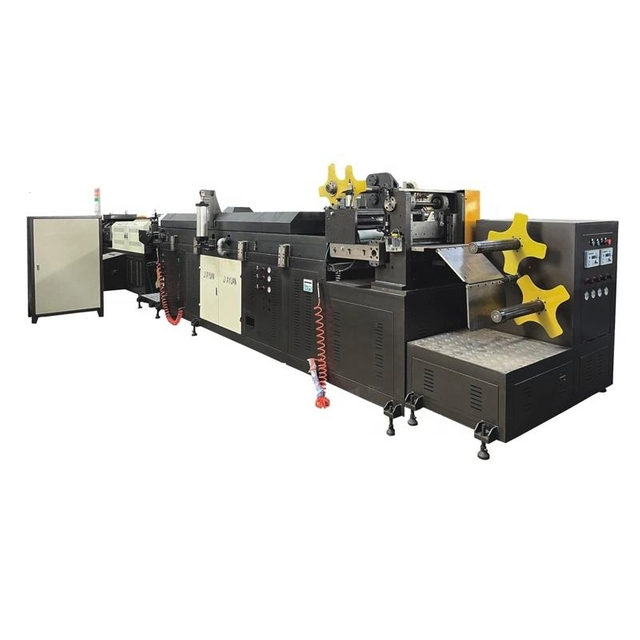
Hot melt adhesive coating machines offer numerous advantages that enhance production efficiency and product quality. Understanding these benefits can help you make informed decisions for your manufacturing processes.
One of the standout features of hot melt coating machines is their speed. The instant bonding capability allows products to move quickly through production lines.
● Instant Bonding: As the adhesive cools and hardens, it creates a strong bond almost immediately. This rapid curing time significantly reduces cycle times and increases throughput.
Using a hot melt adhesive coating machine also brings environmental advantages. These machines are designed to operate without harmful solvents, making them a greener choice.
● Solvent-Free Operation: By eliminating solvents, they contribute to a safer working environment.
● Reduced Waste and Emissions: The precision of application minimizes excess adhesive, leading to lower waste levels.
● Non-Toxic Characteristics: Many hot melt adhesives are non-toxic and pollution-free, aligning with modern sustainability goals.
The quality of the bonds formed by hot melt adhesives is another critical advantage. These machines ensure strong and clean adhesion, which is essential for many applications.
● Strong Adhesion: The bonds created are durable, making them ideal for demanding environments.
● Fast Curing Time: Curing can occur in seconds to minutes, allowing for quick handling and assembly.
Hot melt adhesive coating machines are highly versatile. They can work on a wide range of materials, making them suitable for various industries.
● Adaptability: Whether the substrate is porous or non-porous, hot melt adhesives provide excellent performance. This versatility allows manufacturers to use the same equipment for multiple applications.
Investing in a hot melt adhesive coating machine can lead to significant cost savings over time.
● Low Energy Consumption: These machines typically consume less energy compared to traditional adhesive methods, reducing operational costs.
● Reduced Operational Costs: The efficiency of hot melt systems translates to lower labor costs and reduced material waste, enhancing your return on investment.
Advantage | Description |
Speed and Efficiency | Instant bonding reduces cycle times, increasing throughput. |
Environmental Benefits | Solvent-free, reduces waste and emissions, non-toxic. |
Quality of Bonding | Strong, clean adhesion with fast curing times. |
Versatility | Effective on both porous and non-porous materials. |
Cost-Effectiveness | Low energy use and reduced operational costs improve ROI. |
These advantages make hot melt adhesive coating machines a valuable asset in various manufacturing processes. They not only enhance productivity but also contribute to a more sustainable and cost-effective operation.
Hot melt adhesive coating machines are versatile tools used across various industries. Their ability to provide strong, quick, and clean bonding makes them indispensable in many applications.
In the packaging sector, hot melt coating machines play a crucial role.
● Box Sealing and Flexible Packaging: They ensure secure seals for boxes, enhancing product safety during transport. Flexible packaging benefits from strong adhesion that maintains integrity.
● Laminating Films for Food Packaging: These machines apply adhesive to laminate films, ensuring food safety and extending shelf life.
The textile industry also leverages hot melt technology for various applications.
● Hygiene Products: Hot melt adhesives are essential in manufacturing diapers and sanitary pads, providing reliable bonding that meets strict hygiene standards.
● Automotive Interiors and Upholstery: They are used to bond fabrics and foams in automotive applications, ensuring durability and comfort.
Hot melt adhesive coating machines are vital in printing and labeling.
● Production of Pressure-Sensitive Labels and Tapes: They create high-quality labels that adhere well under different conditions, ensuring long-lasting performance.
● High Adhesion and Durability: The adhesives used provide excellent resistance to environmental factors, maintaining label integrity.
In woodworking, these machines enhance the quality of finished products.
● Bonding Veneers, Laminates, and Edge Banding: Hot melt adhesives ensure strong bonds that are essential for furniture durability.
● Clean Finishing: They provide a smooth finish, eliminating the need for additional finishing processes, which saves time and costs.
The automotive sector benefits significantly from hot melt adhesive technology.
● Interior Trim and Carpets: These adhesives bond various materials in vehicle interiors, contributing to aesthetics and functionality.
● Noise and Vibration Dampening Solutions: Hot melt adhesives help reduce noise and vibrations, enhancing passenger comfort.
Hot melt adhesive coating machines are also used in electronics.
● Encapsulation and Insulation: They protect sensitive components from moisture and dust, ensuring longevity and reliability.
● Bonding Components: Precise coatings are vital for maintaining the integrity of electronic devices, where even small defects can lead to failures.
Industry | Applications |
Packaging | Box sealing, flexible packaging, food laminating |
Textiles | Hygiene products, automotive upholstery |
Printing and Labeling | Pressure-sensitive labels, durable tapes |
Woodworking | Bonding veneers, clean finishing |
Automotive | Interior trim, noise dampening solutions |
Electronics | Encapsulation, bonding sensitive components |
These applications highlight the versatility and effectiveness of hot melt adhesive coating machines. They not only improve production efficiency but also enhance product quality across various sectors.
Selecting the right hot melt adhesive coating machine is crucial for optimizing your production process. Several factors play a role in making the best choice, ensuring you meet your operational needs effectively.
1. Type of Substrate
● Different substrates require specific adhesive properties.
● Consider whether you will be working with porous materials like paper or non-porous surfaces like plastics. Each substrate may need unique adhesive formulations for optimal bonding.
2. Production Volume (Manual vs. Automated)
● Assess your production needs. For high-volume operations, an automated hot melt coating machine is ideal.
● Manual machines may suffice for smaller operations but can limit efficiency and consistency.
3. Desired Coating Thickness
● Determine the thickness of the adhesive layer needed for your application.
● Some machines are better suited for thin coatings, while others can handle thicker applications. Matching the machine to your requirements ensures optimal performance.
4. Budget and Long-Term Savings
● Evaluate your budget for both initial investment and ongoing operational costs.
● While cheaper machines may save money upfront, consider long-term savings from energy efficiency and lower maintenance costs. Investing in a quality hot melt adhesive coating machine can pay off in the long run.
Choosing a reputable manufacturer can make a significant difference in your machine's performance and reliability.
● Customization Options and Technical Support: Experienced manufacturers often provide customization options tailored to your specific needs. They can also offer valuable technical support, helping you troubleshoot issues quickly.
● Quality Certification: Look for manufacturers with quality certifications, such as CE or ISO compliance. These certifications indicate that the machines meet international standards for safety and performance, giving you peace of mind with your investment.
Consideration | Key Points |
Type of Substrate | Match adhesive properties to substrate needs. |
Production Volume | Choose manual for low volume, automated for high. |
Coating Thickness | Ensure the machine can handle your required thickness. |
Budget and Savings | Balance initial cost with long-term operational savings. |
Manufacturer Experience | Seek customization and reliable technical support. |
Quality Certification | Look for CE, ISO compliance for assurance. |
By considering these factors, you can confidently select a hot melt adhesive coating machine that aligns with your operational goals. The right choice will enhance your production efficiency and product quality, setting you up for success in your industry.
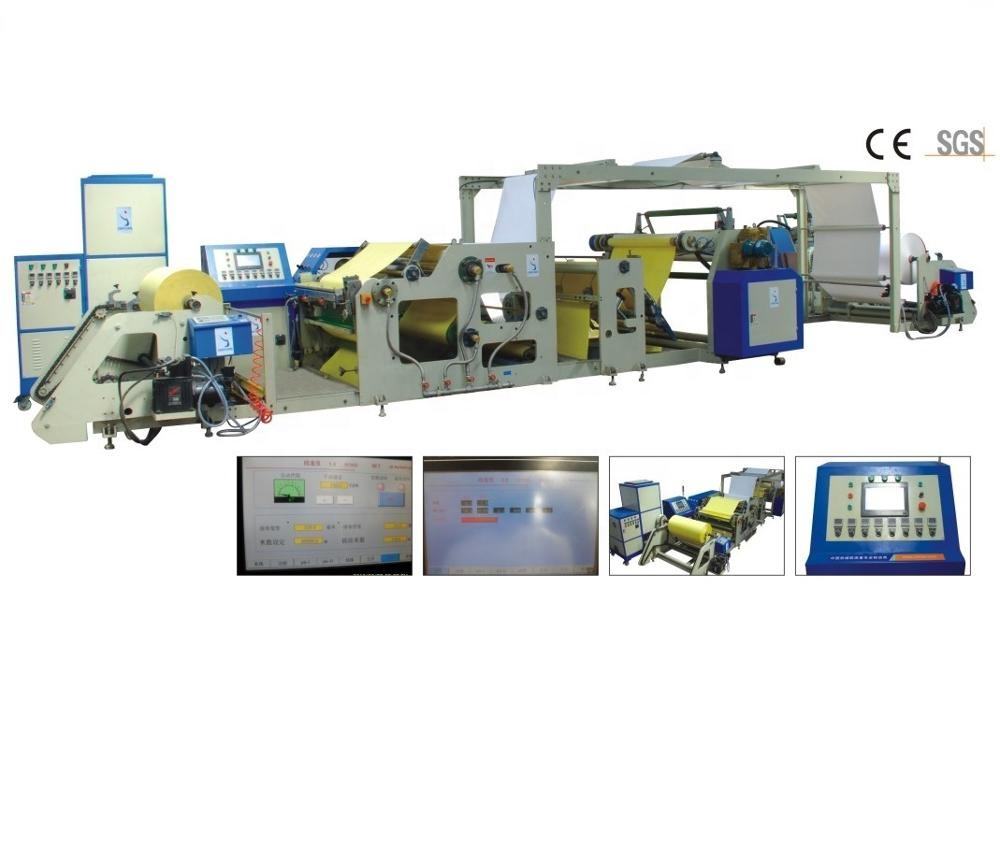
Maintaining a hot melt adhesive coating machine is crucial for its longevity and safe operation. Regular maintenance and adherence to safety protocols can prevent costly downtime and ensure a safe working environment.
1. Cleaning Procedures
● Regular cleaning is essential to prevent adhesive buildup, which can affect machine performance.
● Use appropriate solvents to clean nozzles and application areas. This helps maintain consistent adhesive flow and prevents clogging.
2. Temperature Control
● Monitoring temperature is vital to avoid overheating, which can degrade the adhesive and damage the machine.
● Ensure that temperature sensors are functioning correctly and adjust settings as needed to maintain optimal operating temperatures.
Ensuring the safety of operators is paramount when working with hot melt coating machines.
● Protective Gear and Equipment: Operators should wear appropriate protective gear, including gloves, goggles, and heat-resistant clothing. This protects them from burns and exposure to hot adhesives.
● Importance of Training and Safety Protocols: Comprehensive training programs are essential for all operators. They should be familiar with the machine's operation, emergency procedures, and safety protocols to minimize risks.
● Scheduled Maintenance for Long Machine Life: Implement a scheduled maintenance plan to address wear and tear. Regular inspections can identify potential issues before they become serious problems, extending the machine's lifespan.
Maintenance Task | Frequency | Purpose |
Cleaning Nozzles | Daily | Prevent adhesive buildup and ensure consistent flow. |
Temperature Checks | Daily | Avoid overheating and maintain optimal performance. |
Operator Training | Ongoing | Ensure safety and proper machine operation. |
Scheduled Inspections | Monthly | Identify wear and tear, preventing major breakdowns. |
By prioritizing routine maintenance and safety measures, you can enhance the efficiency and safety of your hot melt adhesive coating machine. These practices not only protect your investment but also create a safer workplace for everyone involved in the production process.
Hot melt adhesive coating machines are essential for efficient production. They enhance bonding quality and speed across various industries. Investing in this technology can significantly improve operational efficiency and product quality. Companies like JIAYUAN offer innovative solutions that provide unique advantages, ensuring durability and reliability. Exploring options and consulting with experts can help businesses find the right equipment to meet their needs. JIAYUAN is committed to delivering value through its high-quality products and exceptional service.
A: A hot melt adhesive coating machine is a device used to apply hot melt adhesives to various substrates for bonding purposes.
A: It heats the adhesive until it melts and then applies it to surfaces, creating a strong bond as it cools.
A: These machines offer fast bonding, reduced waste, and versatility across different materials, enhancing production efficiency.
A: Investing in a hot melt coating machine can improve product quality and operational efficiency, leading to long-term cost savings.
A: Costs can vary based on machine features, production capacity, and customization options, impacting overall investment.
A: Common issues include adhesive buildup and temperature control problems. Regular maintenance and cleaning can help prevent these issues.


