
Views: 0 Author: Site Editor Publish Time: 2026-08-24 Origin: Site


Industrial and residential construction sectors demand high-performance, temperature-resistant sealing solutions. This demand drives a definitive shift away from traditional asphalt-based products toward advanced elastomeric compounds. Establishing or upgrading a manufacturing facility requires navigating complex capital expenditures. You face a specific challenge: handling high-viscosity rubber compounds with extreme precision without compromising throughput or product integrity. This guide dissects the end-to-end butyl waterproof tape production workflow. We establish rigorous criteria for evaluating specialized machinery and provide a comprehensive framework for mitigating operational risks in high-volume manufacturing environments.
Material Superiority: Butyl formulations offer superior high-temperature stability and longevity compared to asphalt, requiring specialized thermal processing capabilities.
Equipment Precision: The viability of a manufacturing operation hinges on the accuracy of the butyl rubber coating machine, specifically regarding temperature regulation and uniform thickness control.
Scalability & Automation: Investing in an integrated butyl tape production line reduces labor overhead and minimizes material waste through automated tension control and in-line slitting.
Risk Mitigation: Strict environmental controls and continuous in-line quality inspections are mandatory to prevent common defects like blistering, delamination, or inconsistent tackiness.
Manufacturing a reliable sealing product requires strict adherence to established physical property baselines. You cannot guess at these metrics; they dictate how the product behaves in the field under stress. Elongation capacity determines how well the tape accommodates structural shifting and thermal expansion without tearing. High-grade formulations typically require elongation rates exceeding 300%. Peel strength measures the adhesive force between the tape and various substrates, ensuring long-term bonding under sheer stress. UV resistance is equally critical for exposed applications. The compound must resist photo-oxidation, which causes embrittlement and eventual failure of the waterproof seal.
To maintain these baselines, operators must implement strict testing protocols on the floor:
Peel Adhesion Testing: Conducted at 180 degrees on stainless steel panels to verify immediate tack and long-term bond strength.
Tensile and Elongation Checks: Pulling samples on a tensiometer to ensure the rubber matrix stretches without premature rupture.
Accelerated Aging: Exposing samples to high heat and UV light in a QUV chamber to simulate years of environmental exposure.
Cold Flexibility Testing: Bending the tape over a mandrel at sub-zero temperatures to check for cracking or loss of adhesion.
Extreme temperature fluctuations expose the limitations of legacy sealing materials. Asphalt-based adhesives often degrade, soften, or completely melt when subjected to severe summer heat on a metal roof. High-performance adhesives like butyl and acrylic are better suited for high temperatures, maintaining structural integrity without compromising their sealing properties. Formulating butyl requires a delicate chemical balance. The mixture must withstand extreme heat while delivering immediate tack upon application. If the compound is too rigid, it loses its cold-weather adhesion. If it is too soft, it risks migrating or bleeding under high thermal loads.
Adhesive Type | High-Temp Stability | Cold-Weather Tack | UV Resistance | Moisture Barrier |
|---|---|---|---|---|
Butyl Rubber | Excellent (Up to 120°C) | Excellent | High (with proper fillers) | Superior |
Asphalt / Bitumen | Poor (Melts above 70°C) | Moderate | Low (Requires heavy surfacing) | Good |
Acrylic | Good | Poor to Moderate | Excellent | Moderate |
End-use cases dictate the specific production parameters and material combinations required on the factory floor. Window and door flashing demands aggressive adhesion to wood, vinyl, and house wrap materials. RV roofing applications require exceptional flexibility and resistance to continuous vibration. HVAC sealing necessitates airtight performance under constant pressure changes. These diverse applications require adaptable backing materials.
Aluminum foil provides excellent UV protection and heat reflection, making it ideal for exterior roof repairs. Non-woven fabrics allow for subsequent plastering or painting in residential construction. Polyethylene (PE) films offer superior flexibility for complex corner wrapping around window sills. The manufacturing line must seamlessly integrate these varying substrates while maintaining precise web tension to prevent wrinkling or stretching.
The production cycle begins with compounding. Operators blend raw butyl rubber with specific tackifiers, mineral fillers, and plasticizers. This process occurs inside a heavy-duty sigma blade kneader. The kneader utilizes massive shear forces to break down the tough rubber polymers, integrating the dry and liquid additives into a cohesive mass. Thermal jacketing around the mixing chamber regulates the internal temperature, preventing premature curing or degradation of the polymers.
Viscosity management dictates the success of the subsequent extrusion phase. The compounded rubber must achieve a specific flow rate and homogeneity. If the viscosity is too high, it strains the extruder motor and causes uneven flow. If it is too low, the material loses its internal cohesion. Operators monitor torque levels on the kneader to determine when the batch reaches the optimal rheological state before discharging it into the holding tanks. Proper dispersion of carbon black or calcium carbonate fillers is vital for the tape's final mechanical strength.
The compounded butyl transfers into an extruder, which transforms the bulk mass into a continuous, uniform flow. The extruder screw design determines the efficiency of material transport and pressure generation. A dedicated gear pump sits at the end of the extruder. This pump ensures a consistent volumetric output, eliminating pressure surges that cause variations in the final coating thickness. The material is then pushed toward the die head under high pressure.
The mechanics of the butyl rubber coating machine rely heavily on advanced die-head technology. Slot die systems are the industry standard for high-viscosity adhesives. The die evenly distributes the pressurized rubber across the desired width, applying it directly onto a release liner or the primary substrate. Internal flow channels within the die are engineered to prevent dead zones where material could stagnate and burn.
Temperature profiling is non-negotiable. The coating equipment utilizes multi-zone heating systems to maintain optimal adhesive flow. Different sections of the extruder, hoses, and die head require specific temperature setpoints. Sudden temperature drops cause the material to seize, while excessive heat destroys the tackifying resins.
Extrusion Zone | Target Temperature Range | Purpose |
|---|---|---|
Feed Throat | 40°C - 60°C | Prevents premature melting and bridging at the intake. |
Compression Zone | 80°C - 100°C | Initiates plasticization and removes trapped air. |
Metering Zone | 110°C - 130°C | Ensures uniform melt temperature and viscosity. |
Gear Pump / Hoses | 120°C - 135°C | Maintains flowability without degrading tackifiers. |
Slot Die Head | 130°C - 145°C | Provides final heat for smooth, streak-free application. |
Immediately following the coating application, the adhesive layer meets its backing material. Mechanical pressure systems, typically utilizing heavy-duty nip rollers, laminate the butyl layer to various facers. The durometer (hardness) of the lamination rollers—usually around 60 to 70 Shore A—and the applied pneumatic pressure must be carefully calibrated. Insufficient pressure leads to weak bonding and trapped air, while excessive pressure crushes the substrate or forces the adhesive out the edges.
Automated web tensioning prevents stretching or wrinkling of the substrate during lamination. Load cells continuously monitor the tension of the incoming backing material and the release liner. The control system adjusts the speed of the unwind stands in real-time. This closed-loop tension control ensures the materials remain perfectly flat as they enter the lamination nip, preventing structural defects in the finished roll.
Thick layers of hot butyl rubber retain significant thermal mass. Chilled roller systems rapidly cool the tape immediately after lamination. This thermal shock prevention stabilizes the adhesive, stopping any further flow or migration. The chill rolls utilize internal water circulation to extract heat efficiently, dropping the web temperature down to 15°C or lower. Proper cooling is mandatory before the tape reaches the cutting station; otherwise, the soft adhesive will gum up the blades and ruin the roll edges.
Precision slitting divides the wide master roll into consumer-ready widths. Rotary blade configurations, utilizing either crush cut or shear cut mechanisms, slice through the cooled tape. The blades must be treated with anti-stick coatings or continuously lubricated to prevent adhesive buildup. Blade spacing dictates the final product width, requiring tight tolerances to meet packaging specifications.
The final step involves winding the finished tape onto cardboard or plastic cores. Automated rewinding systems emphasize edge alignment and length accuracy. Lay-on rollers apply consistent pressure to the rewinding roll, ensuring a tight, uniform package without telescoping. Integrated length counters automatically trigger the cutting and splicing mechanisms once the target roll length is achieved.
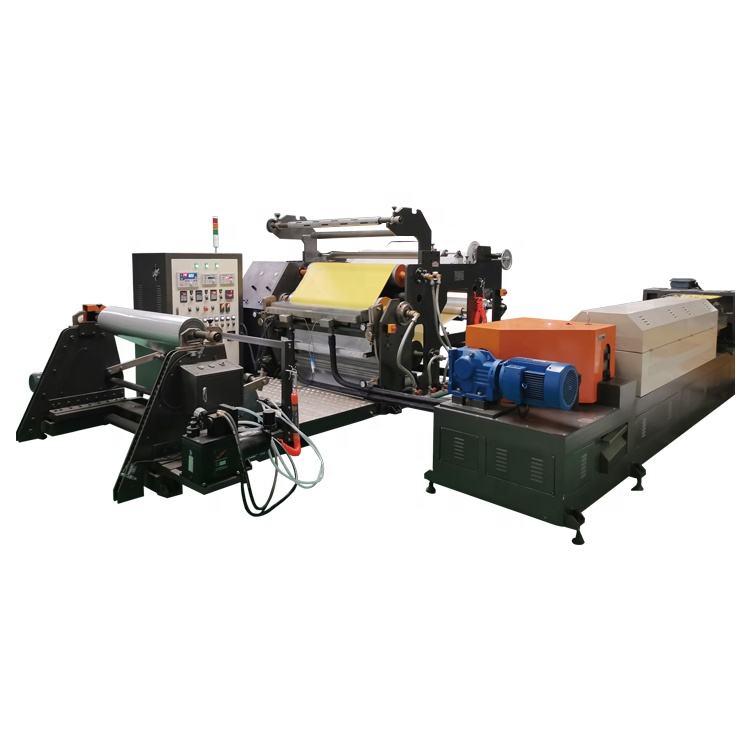
Evaluating throughput capacity requires analyzing the relationship between line speed and coating weight. A machine might boast high speeds, but its true capability is measured by how fast it can run while applying a thick, heavy layer of butyl. High-viscosity applications naturally require slower speeds to maintain thickness tolerances. Assessing waterproof tape production equipment involves mapping your required output volume against the machine's maximum reliable extrusion rate.
Facility requirements dictate the physical viability of the installation. Industrial-scale lines demand significant floor space, often exceeding 30 meters in length, not just for the machinery, but for raw material staging and finished goods handling. Power consumption is a major factor due to the heavy motor loads of the kneaders and the extensive heating elements in the extrusion system. Proper ventilation and a robust chilled water infrastructure are also necessary to support continuous operation.
Thickness tolerance is the defining metric of a high-quality butyl tape coating machine. Evaluate the machine's ability to maintain micro-level thickness consistency across the entire web width. Variations in thickness lead to inconsistent product performance and excessive material waste. Advanced systems utilize automatic profile control, adjusting the die lip continuously based on real-time thickness scanner feedback.
Adjustability determines the operational flexibility of the line. Quick-change die lips and adjustable width mechanisms allow operators to transition rapidly between different product specifications. Moving from a 1mm flashing tape to a 3mm heavy-duty sealant pad requires significant changes in extrusion parameters. Equipment designed for rapid changeovers minimizes downtime and increases overall equipment effectiveness.
Modern manufacturing relies on robust PLC control systems. Evaluate the software interface for its recipe management capabilities. Operators should be able to load pre-set parameters for different tape variants instantly. Real-time monitoring of temperatures, pressures, and line speeds provides crucial data for quality control. Comprehensive fault diagnostics help maintenance teams identify and resolve issues quickly, reducing unplanned downtime.
A modular design approach allows for future scalability. Assess the ability to retrofit the butyl tape production line with additional lamination stations, inline printing units, or automated packaging systems. As production scales and market demands shift, a modular line can adapt without requiring a complete replacement of the core extrusion and coating infrastructure.
Initial capital investment varies significantly based on equipment origin and engineering standards. High-end European or Japanese machinery often commands a premium, offering advanced automation and exceptionally tight tolerances. Cost-effective Asian alternatives provide robust performance for standard applications. Buyers must map the initial investment against the expected lifespan of the equipment and the specific tolerance requirements of their target market.
Operational costs often surpass the initial purchase price over the machine's lifecycle. Energy consumption is a primary driver, heavily influenced by the efficiency of the heating and cooling systems. Maintenance frequency impacts both labor costs and machine availability. Evaluating the availability of spare parts and the responsiveness of technical support is critical for minimizing long-term operational disruptions.
Material costs dominate the unit economics of tape manufacturing. Implementing edge trim recycling strategies directly improves profitability. Advanced equipment features allow for the continuous collection and reintegration of edge trim back into the kneading or extrusion process. This closed-loop approach minimizes raw material waste and reduces disposal costs.
Scrap rate benchmarks provide a clear picture of machine efficiency. Precision tension control and automated splicing mechanisms drastically reduce start-up and changeover waste. A poorly calibrated machine might generate hundreds of meters of scrap before achieving the correct coating profile. Investing in equipment with rapid stabilization capabilities ensures a higher yield of sellable product per batch.
Blistering and air entrapment are frequent challenges on the floor. These defects usually stem from improper compounding, where moisture remains in the raw fillers, or from inadequate pressure during the lamination phase. Trapped air compromises the waterproof seal and causes the backing material to delaminate over time.
Uneven coating weight directly impacts the performance of the butyl waterproof tape. This issue typically results from partial die-head blockages, scored die lips, inconsistent gear pump pressure, or temperature fluctuations in the heating zones. Regular maintenance of the gear pump and routine brass-scraper cleaning of the slot die are necessary to prevent this defect.
Poor substrate adhesion renders the product unusable. This failure is driven by incorrect lamination temperatures, where the adhesive is too cold to wet out the substrate properly. Contaminated backing materials, carrying dust or residual silicone oils from their own manufacturing process, will also prevent a strong mechanical bond.
In-line inspection systems are vital for high-speed manufacturing. Utilizing optical sensors and laser thickness gauges allows for real-time defect detection. These systems monitor the web continuously, identifying pinholes, blisters, or thickness variations. Automated alerts notify operators to adjust parameters before significant amounts of scrap are produced.
Batch testing standards validate the final product against industry requirements. Implementing strict laboratory testing for peel adhesion, shear strength, and accelerated aging is mandatory. Testing against established ASTM and AAMA standards ensures the tape will perform reliably in demanding applications, protecting the manufacturer from costly warranty claims.
Audit your facility's electrical capacity and chilled water infrastructure to ensure it can support high-draw extrusion heaters and cooling rolls.
Run physical material trials on prospective vendor equipment using your exact butyl compound recipe to verify flow rates and die-lip compatibility.
Establish a baseline quality assurance protocol for peel strength and elongation testing before initiating full-scale commercial production.
Train your floor operators extensively on slot die maintenance, safe purging procedures, and web tension troubleshooting to minimize daily scrap rates.
A: Standard line speeds typically range from 10 to 30 meters per minute. The exact speed depends heavily on the required coating thickness, the viscosity of the butyl compound, and the cooling capacity of the chilled roller system. Thicker tapes require slower speeds to ensure proper cooling before rewinding.
A: Butyl maintains its structural integrity and flexibility in extreme heat up to 120°C, whereas asphalt tends to melt or degrade above 70°C. While acrylic also performs well in high temperatures, butyl generally offers superior immediate tack and significantly better moisture barrier properties.
A: Yes. By adjusting the web path and utilizing different release liners and substrates at the lamination station, a properly configured machine can switch between producing single-sided flashing tapes and double-sided sealing tapes. This requires adjustable unwind and rewind tension profiles.
A: These lines require heavy three-phase industrial power to drive the extruder motors and multi-zone heating elements. They also require a robust industrial chiller system for the cooling rollers and a clean, dry compressed air supply for the pneumatic nip rollers and tension controls.
A: Thickness is controlled by synchronizing the output volume of the extruder gear pump with the line speed of the coating substrate. Precision slot dies, adjustable die lips, and automated laser thickness scanners ensure uniform distribution across the entire web width.
A: Operating temperatures usually range between 90°C and 145°C. The exact temperature profile depends on the specific formulation, requiring multi-zone heating across the extruder, hoses, and die head to ensure smooth flow without degrading the tackifying resins.
A: A complete line, including kneading, extrusion, coating, cooling, and rewinding, typically requires a footprint of 20 to 40 meters in length and 5 to 8 meters in width. You must also allocate additional square footage for raw material staging and finished roll handling.


