
Views: 0 Author: Site Editor Publish Time: 2026-04-08 Origin: Site


Can manufacturers keep up in a fast-spinning production world? Traditional solvent-based systems are fading as hot melt adhesive coating machines offer cleaner, faster, and sustainable alternatives. This article explores technical application methods and strategic benefits to help you master production speed.
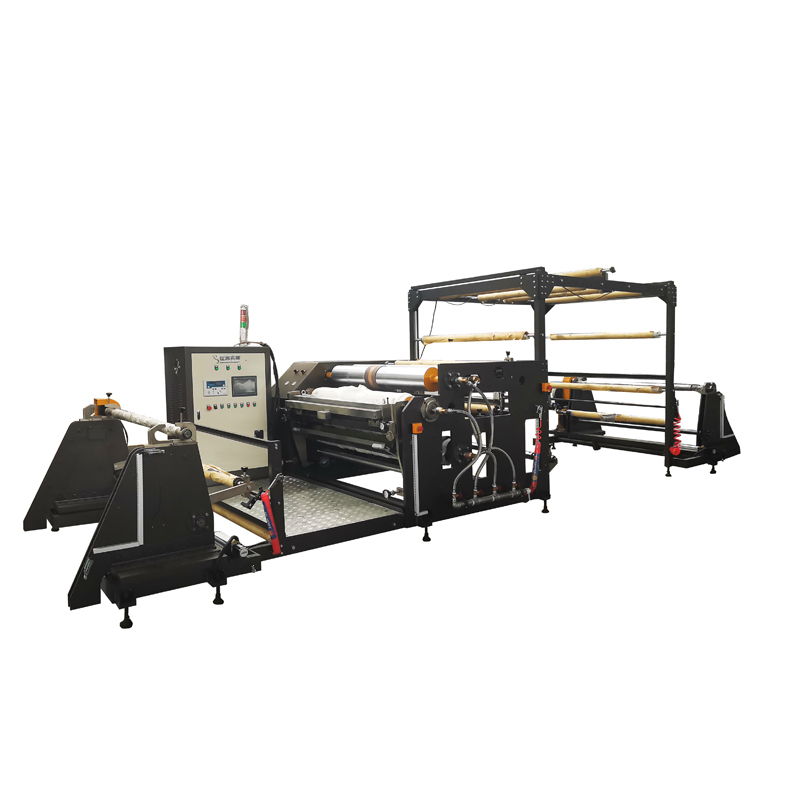
● Versatile Application Methods: Choosing the right technique—such as Slot Die for precision, Roll Coating for flexibility, or Gravure for patterns—is essential to match specific production needs.
● Enhanced Production Efficiency: The use of a hot melt adhesive coating machine eliminates time-consuming drying and curing cycles, allowing for immediate processing and faster cycles.
● Superior Sustainability: Unlike solvent-based systems, hot melt technology is generally solvent-free, which eliminates VOC emissions and ensures a safer, more compliant workplace.
● Broad Material Compatibility: These machines effectively bond a wide variety of substrates, including plastics, metals, textiles, paper, and foam.
● Precision and Quality Control: Advanced systems utilize real-time sensors and automated metering to maintain consistent coating thickness, reducing material waste and improving product durability.
● Critical Maintenance for Longevity: Routine cleaning of the melt tank, regular inspection of components like hoses and nozzles, and precise temperature calibration are vital for peak machine performance.
Selecting the right application method is fundamental to achieving consistent effects in your production process. Each method has distinct operating conditions dictated by coating viscosity, thickness, and required speed.
Slot die coating is the most common method for applying hot melts. It is a closed system where the adhesive is delivered directly from a pump through an enclosed die onto the web. This design is excellent for limiting the oxidation of the coating. Because dies can be locally profiled, they offer exceptional cross-web accuracy, especially when paired with inline gauging systems. However, they require high levels of filtration to prevent contaminants from clogging the die.
Roll coaters are favored for their ease of operation and cleanup. They lend themselves well to frequent changes in application rates and widths. While they are limited in their range of viscosities and speeds compared to dies, they are particularly useful for surface coating open webs. Since these are open systems, the delivery equipment is relatively inexpensive and does not require extreme filtration.
Gravure systems use engraved rolls to provide very consistent coating profiles. They are the preferred choice for applications where partial coating coverage or specific patterns are required. Like roll coaters, they are open systems, meaning oxidation can be a concern, and they are generally limited to specific ranges of viscosity and speed.
Knife coaters offer a lower capital cost and the ability to apply very high coating thicknesses. They provide local profile control and are easy to adjust for different application widths. A key drawback is that the application rate varies if the substrate thickness changes.
For delicate or irregular substrates, manufacturers use specialized non-contact methods like curtain coating or spray coating. These allow for uniform coverage over uneven surfaces where physical contact with a roller or die might damage the material.
To achieve consistent results, operators must balance several critical parameters:
● Temperature: Thermoplastic adhesives are typically heated to between 175°C and 230°C (350°F to 450°F) to reach the correct flowable consistency.
● Speed: Application speed must be synchronized with the cooling rate of the adhesive to ensure a permanent bond.
● Thickness: The end use determines the required thickness; some applications need heavy coatings for durability, while others require thin layers to prevent material warping.
Higher-level hot melt adhesive coating machinesfeature systems that adjust parameters in real time. They use advanced laser scanning or ultrasonic thickness gauging to measure physical properties continuously. This ensures adherence to tight specifications throughout a production run.
Application Method | System Type | Best For | Key Advantage |
Slot Die | Closed | Continuous runs | High precision/Low oxidation |
Roll Coating | Open | Open webs | Easy cleanup and adjustments |
Gravure | Open | Patterned coating | Consistent profiles |
Knife Coater | Open | Heavy coatings | Low capital cost |
The versatility of the hot melt adhesive coating machine allows it to serve diverse markets, improving both product performance and manufacturing efficiency.
The automotive industry utilizes hot melt coatings for interior trim pieces and specialized sound-absorbing materials. These applications require adhesives that maintain their properties under adverse operating conditions. In modern electric vehicles, hot melts also provide noise insulation and weatherproofing for electronic parts without adding excessive weight.
In the packaging sector, speed is everything. Hot melt adhesives are used for carton sealing and bottle labeling because they set rapidly upon cooling. This fast-setting nature is vital for maintaining product quality during high-speed transportation and storage.
The textile industry uses these machines to bond fabrics, create waterproof layers, and produce non-woven materials. Modern applications include making sports apparel that is both water-resistant and breathable. In the medical field, hot melt coatings create sterilizing barriers and bond device components safely due to their biological acceptance.
In construction, hot melt coatings improve building energy efficiency through thermal management in insulation applications. They also serve as effective waterproofing materials, preventing moisture damage to various surfaces.
Switching to a hot melt adhesive coating machine offers significant strategic benefits that enhance a manufacturer's competitive edge.
Unlike solvent-based systems, hot melt adhesives are generally solvent-free. This eliminates the emission of Volatile Organic Compounds (VOCs), creating a safer workplace and reducing the costs associated with environmental regulation compliance.
Hot melt adhesives are heat-activated and solidify quickly upon cooling. This eliminates the need for long drying or curing ovens required by solvent or water-based systems. The result is a much faster bonding cycle and higher production throughput.
These coatings provide a durable barrier that resists stresses like moisture, corrosive chemicals, and temperature fluctuations. This makes them ideal for products that must withstand harsh environments.
Modern application technology minimizes overspray and unnecessary glue use. Precision nozzle systems and automated dispensing ensure that the adhesive is only applied where needed, which lowers operational costs and encourages responsible manufacturing.
Choosing the correct equipment involves evaluating the relationship between the machine, the adhesive, and the material being coated.
Different substrates require specific adhesives for effective bonding. Non-porous materials like certain plastics or metals need adhesives that can stick firmly without damaging the surface. The machine must be capable of processing carriers of varying widths and thicknesses, whether it is paper, foam, or leather.
The machine's heating chamber and extruder must be able to handle the specific viscosity of your chosen adhesive. If the temperature is not controlled accurately, the viscosity will fluctuate, leading to uneven coating thickness.
Prospective buyers should consider how long a machine can run without stoppages and how complex it is to maintain. Energy-efficient coaters may have a higher upfront cost but will translate to lower operational expenses over the long term.
Ensuring that the hot melt adhesive coating machine complies with industry safety standards is essential. This not only protects workers but also improves public perception of the products and eliminates potential legal risks.
Routine maintenance is essential to ensure the machine’s longevity and functional performance.
Keep the machine clean to eliminate accumulated residue that can interfere with the flow. This involves using the right solvents to remove excessive glue from nozzles and keeping the feed system clear.
Regularly check parts that wear out over time, such as hoses, pumps, and applicators. If you find damaged components, replace them immediately to prevent unexpected downtime.
Periodically monitor and calibrate the machine’s temperature settings and adhesive flow rate. This ensures the adhesive maintains the correct viscosity for a uniform coating.
Adhere to the manufacturer’s lubrication guidelines for all moving parts. Proper lubrication reduces friction and prevents mechanical interference that can lead to wear and tear.
Even with high-quality hot melt adhesive coating machines, operational issues can arise. Knowing how to troubleshoot these problems quickly is key to maintaining productivity.
If the coating is irregular, check for nozzle misalignment or errors in temperature adjustment. Ensure the adhesive viscosity is within the defined limits for your specific application.
Bonding failures often result from surface contamination. Ensure the substrates are free of dust, oil, or moisture before application. Also, verify that the application temperature is high enough to form a permanent bond upon contact.
Worn seals and ruptured hoses are the primary causes of leaks. Regularly inspect all joints and gaskets for signs of aging or damage.
If the adhesive is not melting properly, check the heater elements and settings. Inspect the feed lines for obstructions that might be inhibiting the flow of liquid adhesive.
Applying a hot melt adhesive coating machine boosts efficiency and reduces waste. Understanding various coating methods helps manufacturers meet specific industrial needs. Future innovations in automated systems will ensure long-term sustainability. Ruian City Jiayuan Machinery Co., Ltd. provides high-quality equipment that enhances product durability. Their reliable machines offer precise control for competitive manufacturing operations. Investing in these advanced tools guarantees superior results for modern production lines.
A: It applies melted thermoplastic materials to substrates to create instant, high-strength industrial bonds.
A: These machines eliminate VOC emissions and remove the need for time-consuming drying cycles.
A: It enhances precision in coating thickness and reduces material waste through high-pressure metering.
A: Evaluate your required coating width, substrate type, production speed, and maintenance friendliness.


